
Matcha whisk and bowl: choosing, using and caring for the chasen and chawan

By the LBDT Sommelier · published on · 6 min read
Reviewed and approved by the La Boutique du Thé team
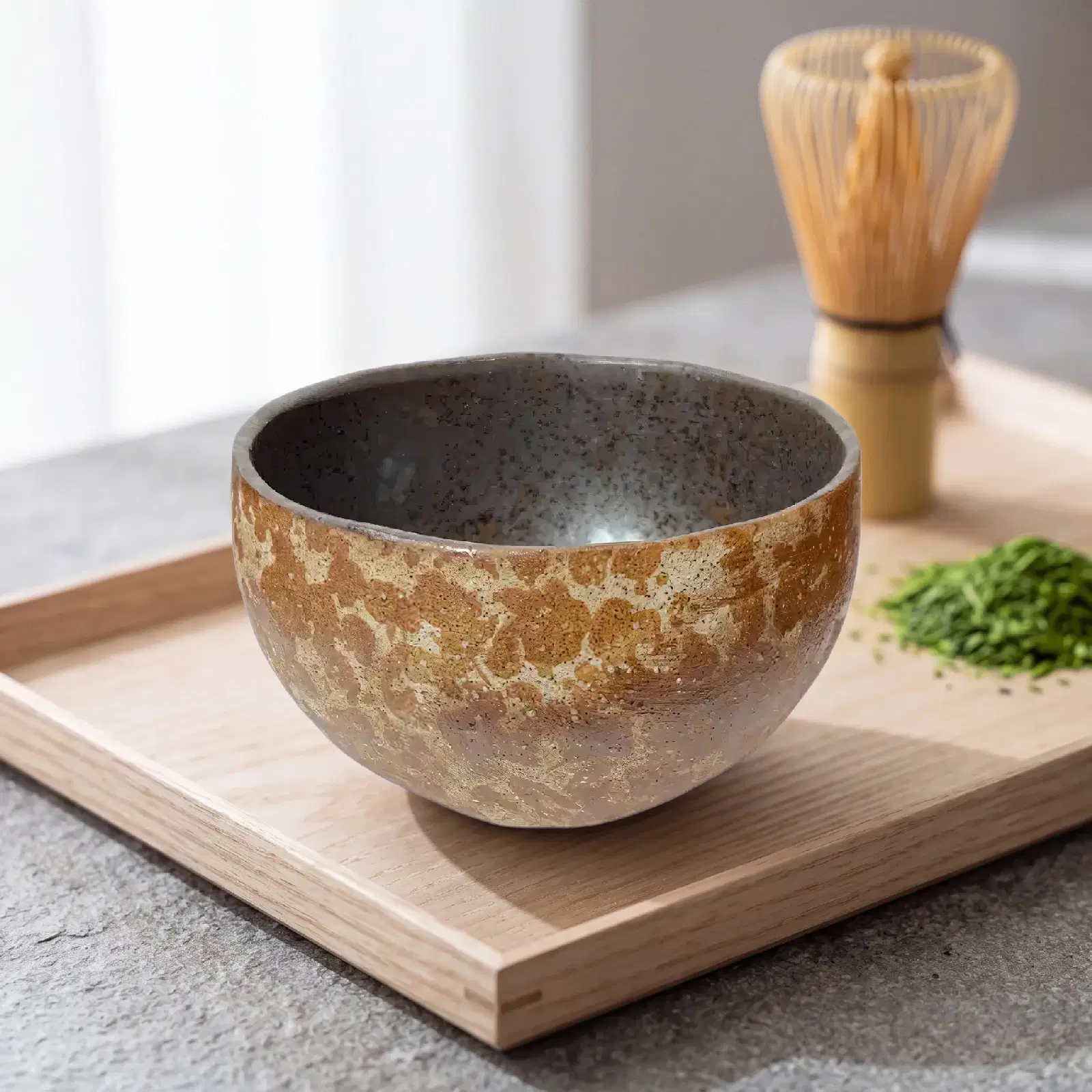
A matcha whisk, or chasen, is a bamboo whisk carved from a single piece that beats green tea powder and hot water into a fine froth, in a wide bowl called a chawan. Here is the technique and the settings for our matchas, how to choose a bowl by its capacity, and the care that keeps the whisk in shape.
Why whisk matcha with a bamboo chasen?
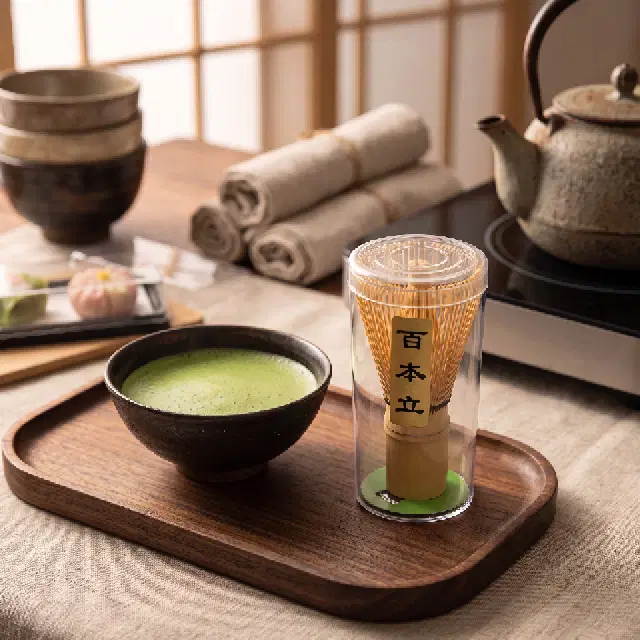
The matcha whisk, or chasen, is carved from a single piece of bamboo, split into fine, supple tines. These tines blend the green tea powder with hot water and raise the fine foam that covers the bowl: matcha is not steeped, it is whisked. Our Chasen de Bambou pour Matcha follows this principle: a bamboo stem split into fine spindles, which emulsifies the powder until an airy foam forms on the surface.
For a bowl of matcha prepared the Japanese way, we recommend the chasen rather than a spoon or a kitchen whisk, which do not aerate the powder in the same way. In Japan, chasen making is concentrated in Takayama, where the vast majority of the country's whisks are produced. The craft has been passed down there for centuries within families of artisans, each whisk being finished tine by tine.
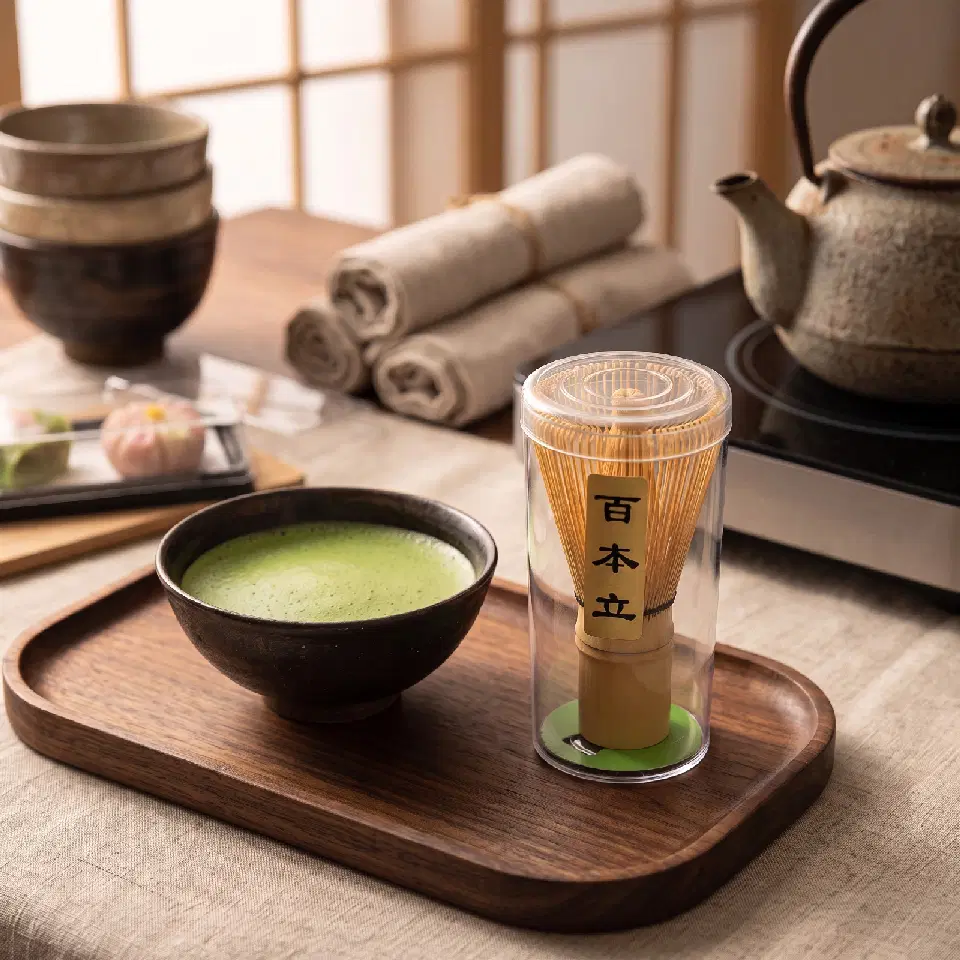
How do you use a matcha whisk, step by step?
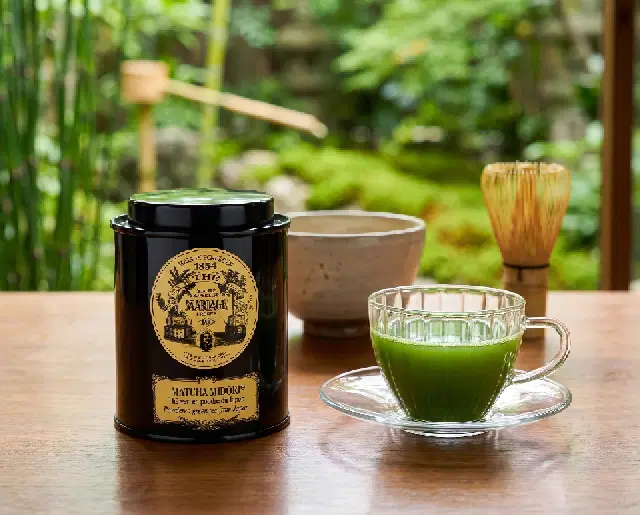
The right movement comes from the wrist, not the arm: a quick M or W motion, the tines kept just above the bottom of the bowl without scraping it, until foam forms on the surface. The product pages for Matcha Uji and Matcha Midori give the same settings for one bowl, set out here in order.
1. Sift 1.5 g of matcha through the Tamis Manche Bambou, directly over the bowl: about two scoops of the Cuillère en Bambou Chashaku 180 mm.
2. Pour in 40 ml of water heated to 80 °C, never boiling.
3. Whisk briskly for 30 seconds, in an M or W, the tips of the tines above the bottom.
4. When the foam is fine and even, enjoy, then rinse the whisk in clean water.
Thin or thick tea, matcha latte, choosing your powder: our complete matcha guide details each preparation. This guide keeps to the utensils, starting with the bowl, which decides how much room the whisk has.
Which matcha bowl should you choose for good whisking?
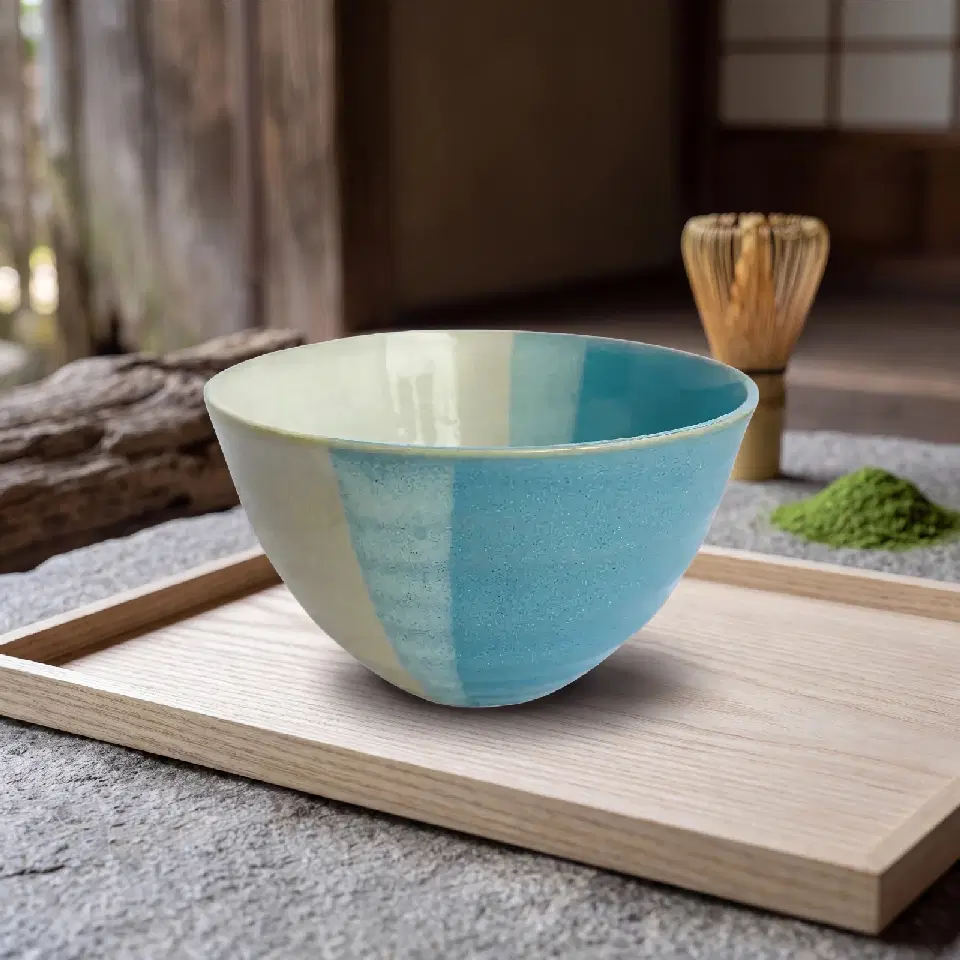
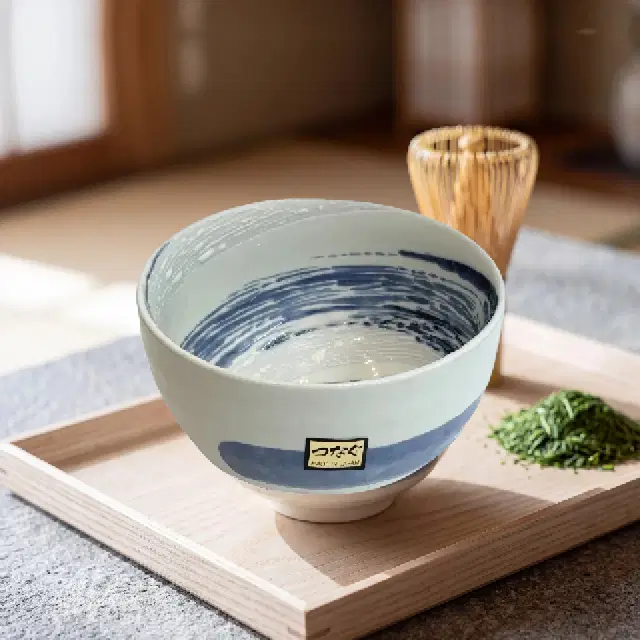
Choose a wide bowl with open sides: that space gives the chasen room to work without the water spilling over. In Japan, this bowl is called a chawan. Chawan are classified by country of origin, potter or kiln, shape or the tea they are intended for; many styles bear the name of their kiln, such as Hagi, Karatsu or Shino, or that of raku ceramics.
| Bowl | Capacity and size | What its product page says |
|---|---|---|
| Bol à Matcha Japonais Efude | 450 ml, 120 mm in diameter | Open sides for the whisking movement; suits traditional matcha as well as a tea latte |
| Bol à Matcha Japonais Madara | Capacity not stated on the product page | Ceramic chawan, generous and warm in the hand; also welcomes an everyday matcha or a tea latte |
| Bol Shizuka, 300 ml | 300 ml | Japanese ceramic with open sides; serves matcha as well as tea |
| Set de Matcha | 4 pieces | Brings together the bowl, the whisk and the pieces that make it easier to use, ready straight out of the box |
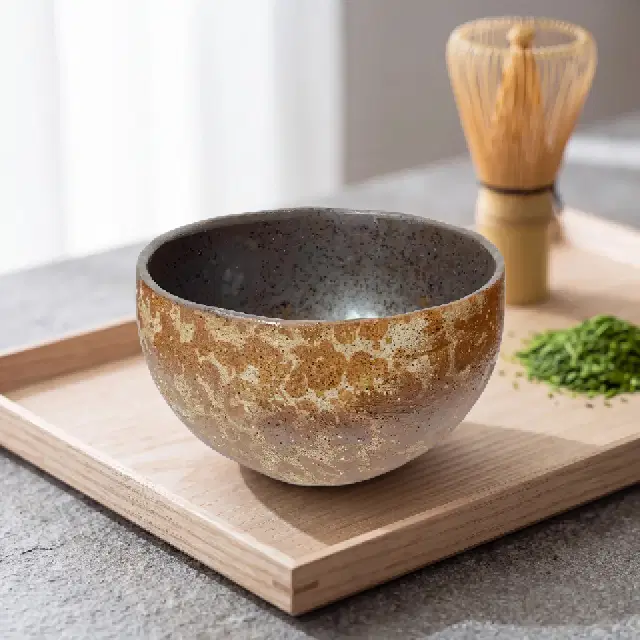
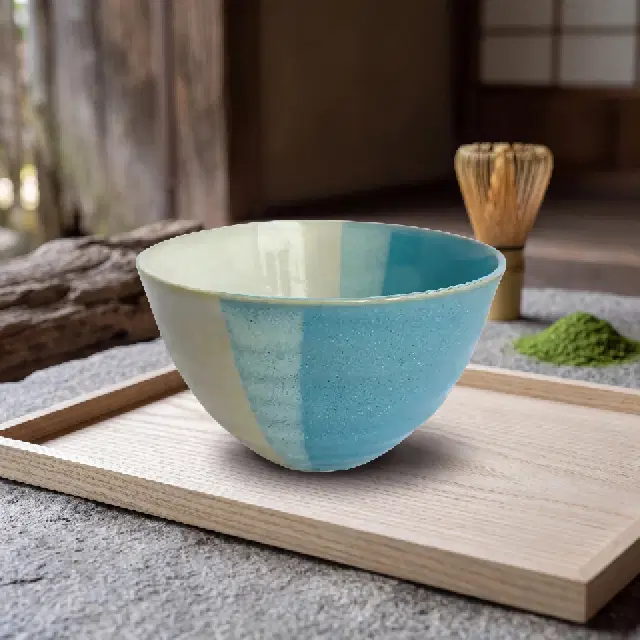
The largest, the Bol à Matcha Japonais Efude, 450 ml, leaves the whisk the most room and also takes a matcha lengthened with milk. The smaller Bol Shizuka, 300 ml also serves as a tea bowl; it comes in four designs in stock: blue and white, yellow and white, green, or blue, black and white. The Bol à Matcha Japonais Madara en Céramiques is chosen for its ceramic. The Set de Matcha comes in four available versions, Daidaiiro, Kisoji, Haiiro and Chairo. All can be found in our tea bowls section.
How do you care for a chasen so it keeps its shape?
After each bowl, rinse the Chasen de Bambou pour Matcha in clean water, then leave it to air-dry on a whisk holder, tips pointing upwards. Placed this way, it dries without its tines being crushed and keeps their curve. Stored on a holder rather than lying flat, the whisk lasts considerably longer and continues to form a fine foam, preparation after preparation.
This holder has a name in the tea ceremony: the kusenaoshi, in wood or ceramic, on which the still-wet whisk is placed so that it regains its shape as it dries. Our Matcha Porte-Balai en Bambou comes in two versions, Yuri (brown and turquoise) and Yuma (brown and white). The Cuillère en Bambou Chashaku 180 mm needs even less care: wipe it dry or rinse it briefly under water, then leave it to air-dry.
Which utensils go with the whisk and the bowl?
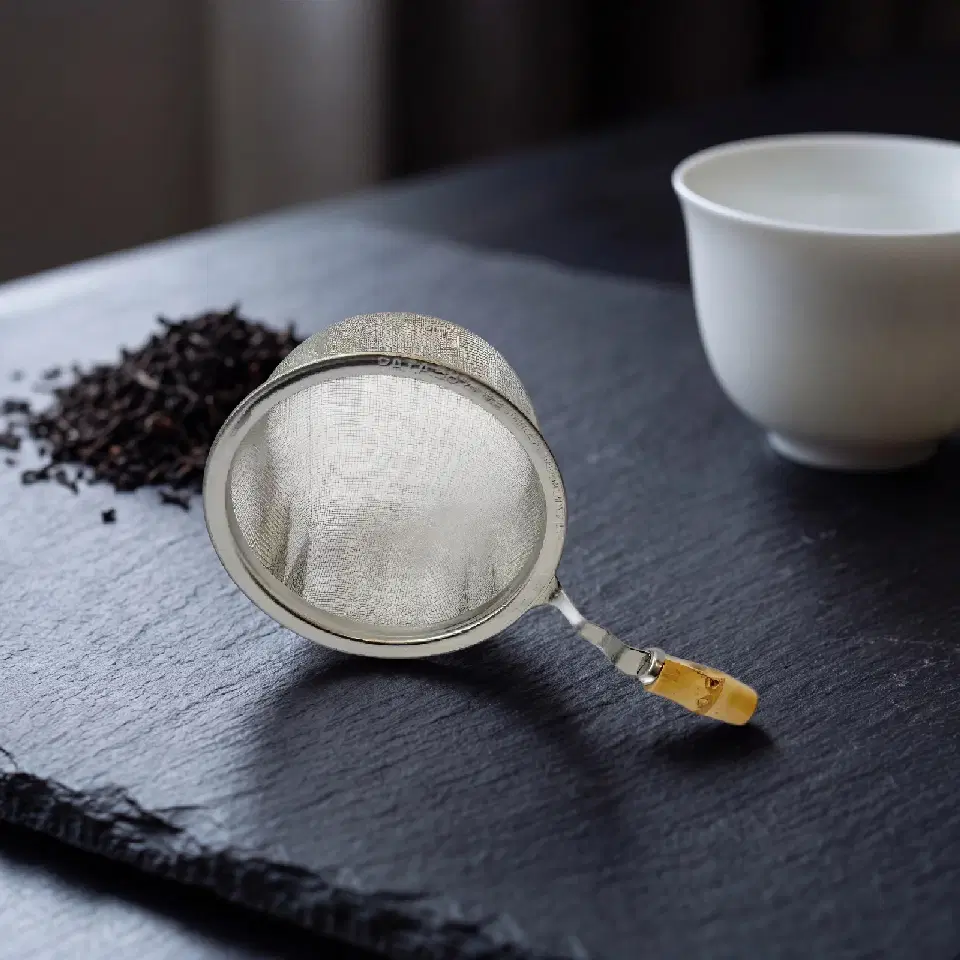
Three small pieces complete the pair: the sieve, the scoop and the whisk holder. The Tamis Manche Bambou, 55 or 58 mm in diameter, passes the powder through a fine mesh so that it falls without lumps; this preliminary step determines the fineness of the foam. The Cuillère en Bambou Chashaku 180 mm, carved from a single piece of bamboo, has the customary length of ceremony scoops, about 18 cm.
As for the tea, Matcha Uji comes from Uji, near Kyoto, and Matcha Midori from Miyazaki, both from the Yabukita cultivar, in a 40 g tea tin; our matcha section presents them alongside green teas enhanced with matcha. To gather all the utensils at once or to give them as a gift, our guide to giving or putting together a matcha set compares the options, and the matcha accessories section shows each piece.
The sommelier's selection

Frequently asked questions
Why is the matcha whisk made of bamboo?
The chasen is traditionally hand-carved from a single piece of bamboo, split into dozens of fine, supple tines. This suppleness allows it to blend the powder with hot water and raise a fine froth on the surface of the bowl. In Takayama, Japan, where the vast majority of the country's chasen are made, the quality of the local bamboo has built the artisans' reputation.
How do you care for a chasen day to day?
Rinse it in clean water straight after use, without letting the powder dry in the tines. Then leave it to air-dry on a whisk holder, tips pointing upwards: this way its tines keep their curve instead of being flattened. A whisk stored on its holder rather than flat lasts considerably longer and continues to form a fine froth.
Can an electric whisk replace the bamboo whisk?
For a bowl of matcha prepared the Japanese way, we recommend the chasen. Its fine bamboo tines blend the powder with the water and raise a fine froth right in the bowl, with an M- or W-shaped flick of the wrist. A spoon or kitchen whisk does not aerate the powder in the same way. For a matcha latte, the matcha is first whisked in a little water before being topped up with milk.
What does chasen Takayama mean?
Takayama is the Japanese town where matcha whisk making is concentrated: the vast majority of Japan's chasen are produced there. The craft has been passed down for centuries within families of artisans, who carve each whisk from a single piece of bamboo before finishing the tines one by one. The name therefore refers to the whisk's origin.
Which Japanese matcha bowl should you choose?
Choose a wide bowl with open sides, which gives the whisk room to work without the water spilling over. Among our bowls, the Efude holds 450 ml with a diameter of 120 mm and also suits a matcha latte; the Shizuka, at 300 ml, also serves as a tea bowl; the Madara is chosen for its generous ceramic, warm in the hand.
To go further
Sources
How we write our guides
Our guides are prepared by La Boutique du Thé, Mariage Frères stockist in Bordeaux and Nice since 1999, drawing on our product sheets, the experience of our shops and the sources cited. Each text is checked and approved by the team before publication. The teas and accessories featured are on sale at the time you read the page. The LBDT Sommelier · A question? Write to us
More guides from the house
- Matcha set: give it ready-made or build it piece by pieceA matcha set brings together bowl, bamboo whisk, scoop and sieve: the role of each piece, our selection by budget and three gift options.Read the guide →
- Matcha: the complete guide to Japanese powdered green teaShaded tencha, stone mill, ceremonial, premium and culinary matchas, whisking with the chasen: everything you need to understand matcha and choose it well, with our tea house.Read the guide →
- Ceylon tea: the seven regions, the two monsoons and our gardensCeylon tea comes from Sri Lanka: its seven regions, the seasons dictated by the monsoons, and our Uva and Ratnapura teas with their brewing settings.Read the guide →