
Japanese green teas: sencha, gyokuro, genmaicha, hojicha

By the LBDT Sommelier · published on · 3 min read
Reviewed and approved by the La Boutique du Thé team
Japanese green teas are steamed just after picking, which gives them their vivid colour, their vegetal and marine taste and their umami. They are easily spoilt by water that is too hot: 70 °C and 2 to 3 minutes for a sencha, 50 °C for a gyokuro. To begin, Sencha Ariake at €18 per 100 g; to understand umami, Gyokuro Kyoto.
What sets Japanese green tea apart
In China, green tea is fixed with dry heat, in a wok; in Japan, it is fixed with steam. This steaming keeps the leaf a deep green and gives a denser, grassy, marine liquor, with the savoury taste known as umami. The leaves are then rolled into fine needles. The great regions are Uji near Kyoto, Shizuoka, Kagoshima and Yame.
The families, and how to recognise them
| Family | What it is | Taste | Preparation | In our selection |
|---|---|---|---|---|
| Sencha | The everyday Japanese green tea, grown in full sun | Vegetal, fresh, lively | 70 °C · 2 to 3 min | Ariake €18, Tani €16, Midori €26, Yame €36, Uji €50, Wazuka €44 per 50 g, Kyoto €39 per 50 g |
| Gyokuro | Shaded for three weeks before picking | Deep umami, silky, mellow | 50 °C · 3 min | Gyokuro Kyoto €60 per 50 g, Gyokuro Kansai €60 per 100 g |
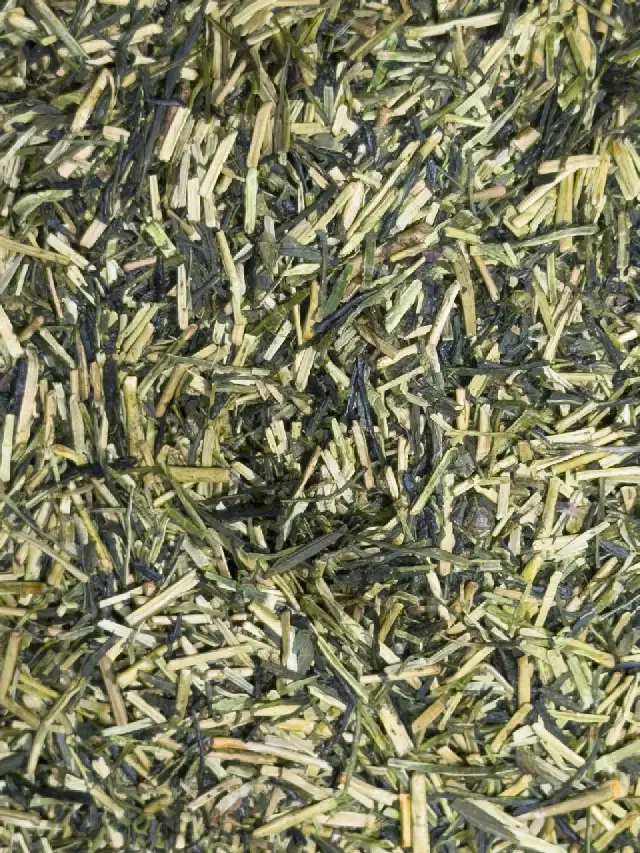
| Kukicha, Yanagicha | Stems and veins, or leaves and fine stems | Mellow, light, low in caffeine | 70 to 85 °C · 3 min | Kukicha €18, Yanagicha €13 |
| Bancha | More mature leaves, late harvest | Light, rounded | 90 °C · 3 min | Bancha Suprême €22 |
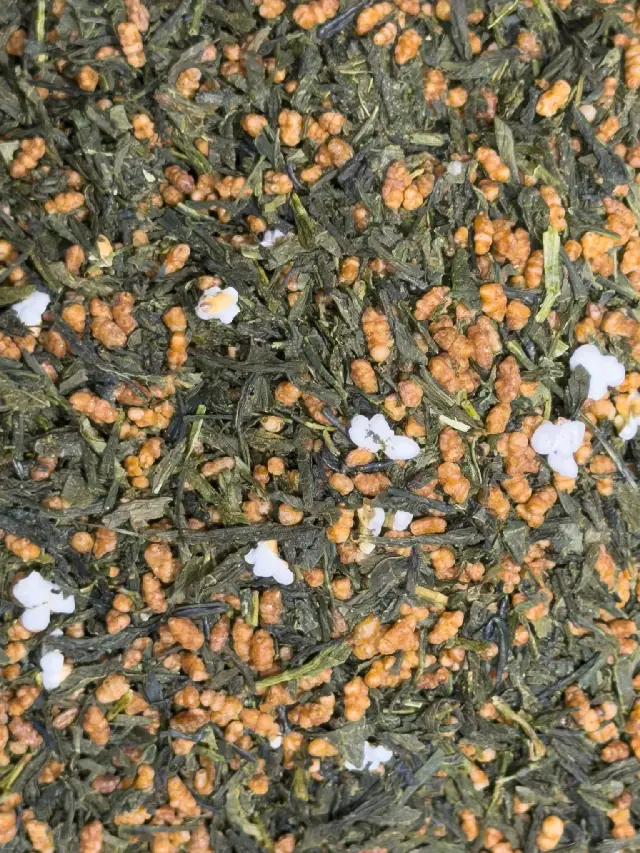
| Genmaicha | Green tea and roasted puffed rice | Roasted, nutty, comforting | 70 to 80 °C · 3 min | Genmaïcha €15, Genmaïcha Matcha Émeraude €24 for 30 cotton muslin tea sachets |
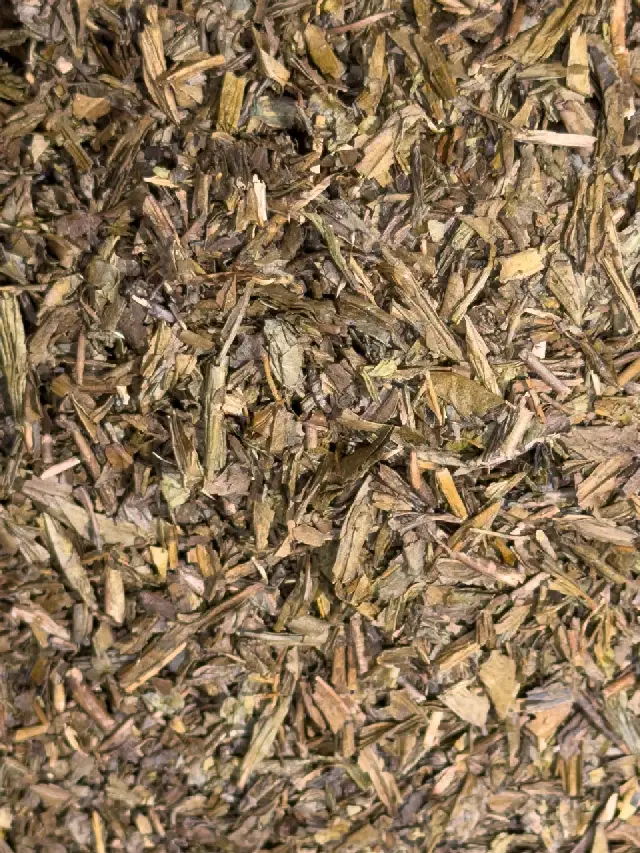
| Hojicha | Roasted green tea | Amber, toasted, woody, very little caffeine | 90 to 95 °C · 3 min | Hojicha €13, Kuki-Hojicha €12 |
| Matcha | Shaded tencha, stone-ground | Dense, vegetal, whisked in a bowl | See our matcha guide | Matcha Midori €28 per 40 g |
Set apart: Gabacha (€28), with its singular umami roundness, Kawanecha from the Kawane region (€36), Tanka Cha (€30) and Amami Cha from the Amami Islands (€48), with its passion fruit bouquet.
Flavoured Japanese teas
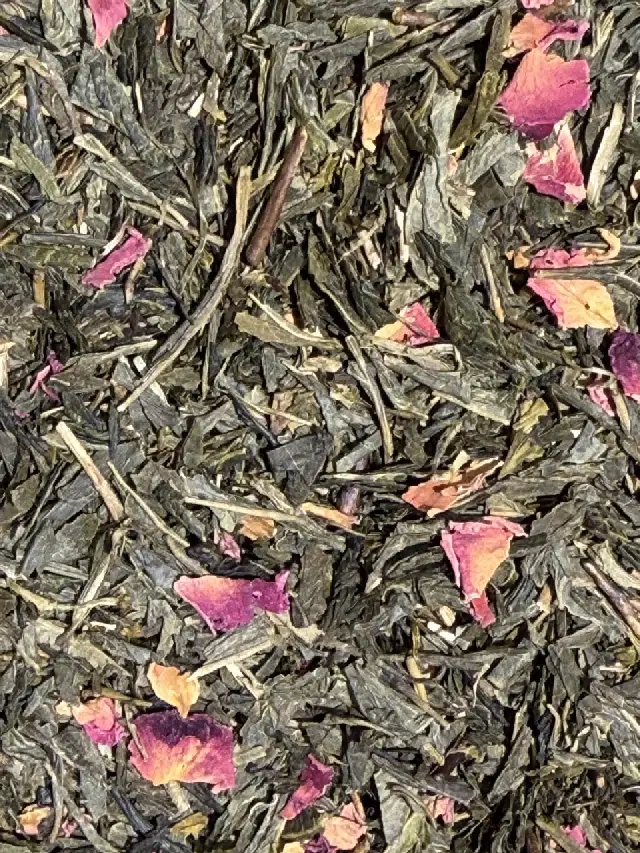
Mariage Frères also flavours its Japanese bases. Sakura (€12) and Sakura Impérial (€11), scented with cherry blossom, are the great classics among the house's flavoured green teas. The yuzu teas, Yuzu Temple (€13), Yuzu Bouquet (€20) and Yuzu Indigo (€14), carry the Japanese citrus. Thé Vert Vanille (€11) is a vanilla sencha. These flavoured teas welcome hotter water, 85 to 95 °C, for 3 minutes. Kaori Cha (€16), a green tea with roasted puffed rice in the spirit of genmaicha, is prepared at 80 °C for 2 minutes, as stated on its product page.
Temperature, the only real difficulty
- Sencha: 70 °C, 2 to 3 minutes. At 95 °C, it turns bitter and loses its umami.
- Gyokuro: 50 to 60 °C, 3 minutes, in a small teapot, 5 g per 100 ml: drink a few thick sips, then steep again at a slightly higher temperature.
- Genmaicha, hojicha, bancha: 80 to 95 °C, they withstand the heat.
- Without a thermometer: bring to the boil, pour the water into an empty cup, then into the teapot: each transfer loses about ten degrees. A temperature-controlled kettle settles the matter.
- Re-steeping: a sencha can be steeped once more, 30 seconds at 80 °C; a gyokuro two or three times.
Which to choose
- First time: Sencha Ariake or Sencha Tani, or Genmaïcha if you enjoy toasted flavours.
- To understand umami: Gyokuro Kyoto.
- In the evening: Hojicha or Kukicha, the two Japanese teas lowest in caffeine.
- A flavoured tea: Sakura or Yuzu Temple.
- A great sencha: Sencha Uji or Sencha Wazuka.
The sommelier's selection

Frequently asked questions
What is the difference between sencha and gyokuro?
The same plant, but gyokuro is shaded for three weeks before picking, which concentrates the umami and softens the taste. It is steeped at 50 °C, sencha at 70 °C, and it costs two to three times as much.
At what temperature should Japanese green tea be steeped?
70 °C for a sencha, 50 to 60 °C for a gyokuro, 80 to 95 °C for a genmaicha or a hojicha. Boiling water makes sencha bitter.
Which Japanese tea contains the least caffeine?
Hojicha, which is roasted, and kukicha, made from stems. These are the Japanese teas you can drink in the evening.
What is genmaicha?
A green tea blended with toasted puffed rice: a nutty, cereal flavour, comforting and low in caffeine. Ours is €15 per 100 g.
Can Japanese teas be re-steeped?
Yes. A sencha once, a gyokuro two or three times, raising the temperature slightly with each infusion.
To go further
Written by the LBDT Sommelier, La Boutique du Thé, official Mariage Frères stockist in Bordeaux and Nice since 1999. Published on 15 October 2026. Prices as observed on the date of publication; the price shown on the product page prevails.
More guides from the house
- Fine tea: what makes a great tea, and how to recognise oneLuxury or fine tea: origin, harvest, plucking, grade and freshness. The connoisseur's vocabulary, the settings and the grands crus to give.Read the guide →
- Tea-producing countries: where tea grows and what each origin brings to the cupTea-producing countries, from China to Rwanda: where the tea plant grows, what makes a terroir and the style of 12 origins, each with a tea to taste.Read the guide →
- Ceylon tea: the seven regions, the two monsoons and our gardensCeylon tea comes from Sri Lanka: its seven regions, the seasons dictated by the monsoons, and our Uva and Ratnapura teas with their brewing settings.Read the guide →