
Chinese tea: the great provinces, their teas and their names

By the LBDT Sommelier · published on · 8 min read
Reviewed and approved by the La Boutique du Thé team
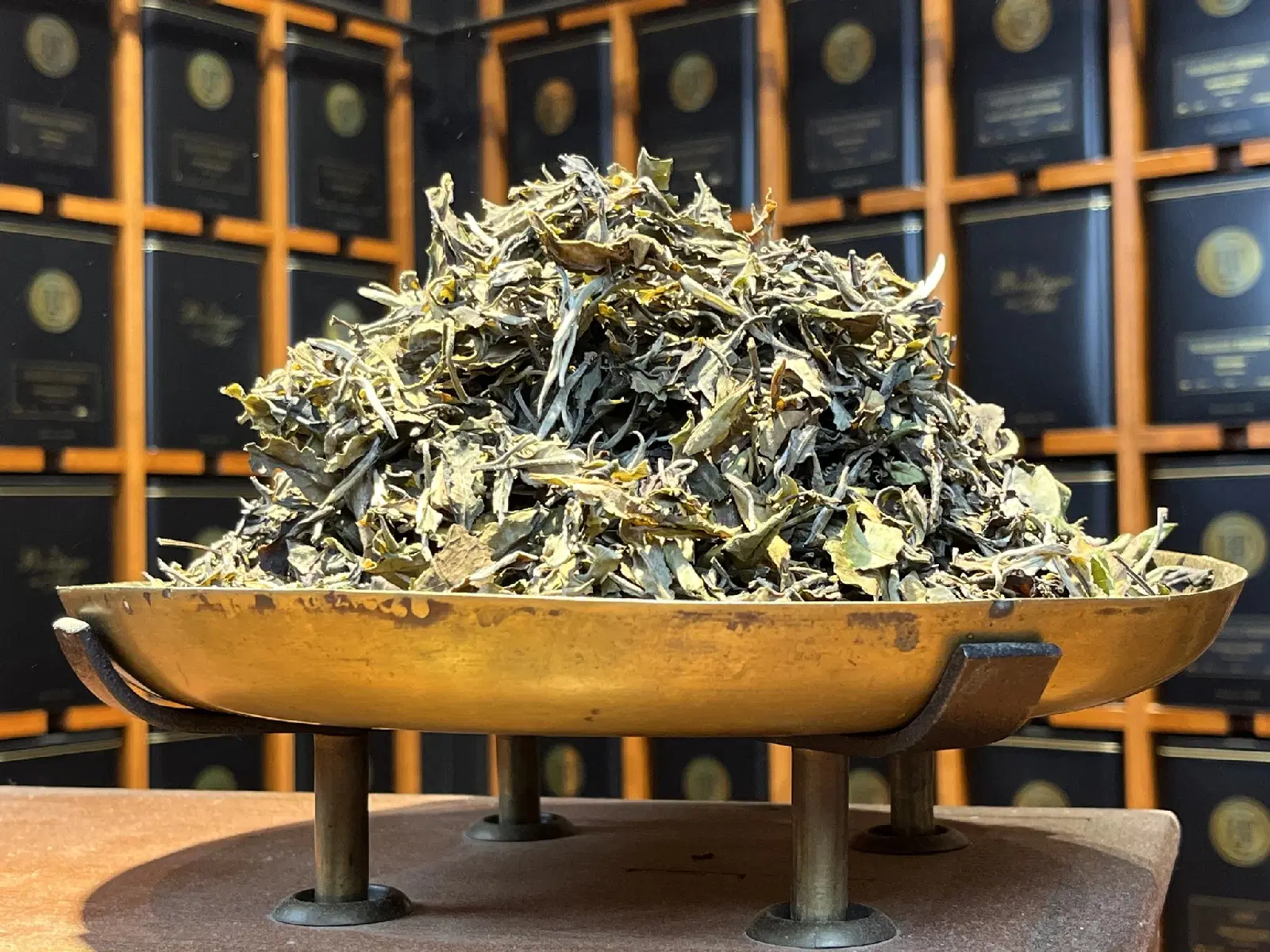
Chinese tea covers all six tea families, from green to pu-erh, and each has its provinces: Zhejiang for green teas, Fujian for white teas and Lapsang Souchong, Anhui for Keemun, Yunnan for golden black teas and pu-erh. This guide translates their Chinese names and gives, for each tea in stock, the settings from its product sheet.
What is Chinese tea?
A Chinese tea is a tea grown and crafted in China, and China produces all six families of tea: green, yellow, white, oolong, black and dark tea. UNESCO has inscribed these tea-making skills on the list of the Intangible Cultural Heritage of Humanity, citing these six categories and reprocessed teas, such as teas scented with flowers. The latter, jasmine for example, do not form a separate family.
Most of the families bear a colour name in Chinese, that of the infused leaves. Two names are surprising: our black tea is called red tea there, and Chinese black tea refers to another family, that of dark teas such as pu-erh. Our guide to the six families of tea explains how each one is made; this table gives their Chinese names.
| Family | Chinese name (pinyin) | What the name says | A Chinese tea in stock |
|---|---|---|---|
| Green tea | lü cha | green tea | Lung Ching |
| Yellow tea | huang cha | yellow tea | Huang Cha |
| White tea | bai cha | white tea | Yin Zhen |
| Oolong tea | wulong cha | black dragon tea | Kissed Blue Tea |
| Black tea | hong cha | red tea | Grand Yunnan |
| Dark tea | hei cha | black tea | Pu-Erh Suprême |
Zhejiang: China's great green teas
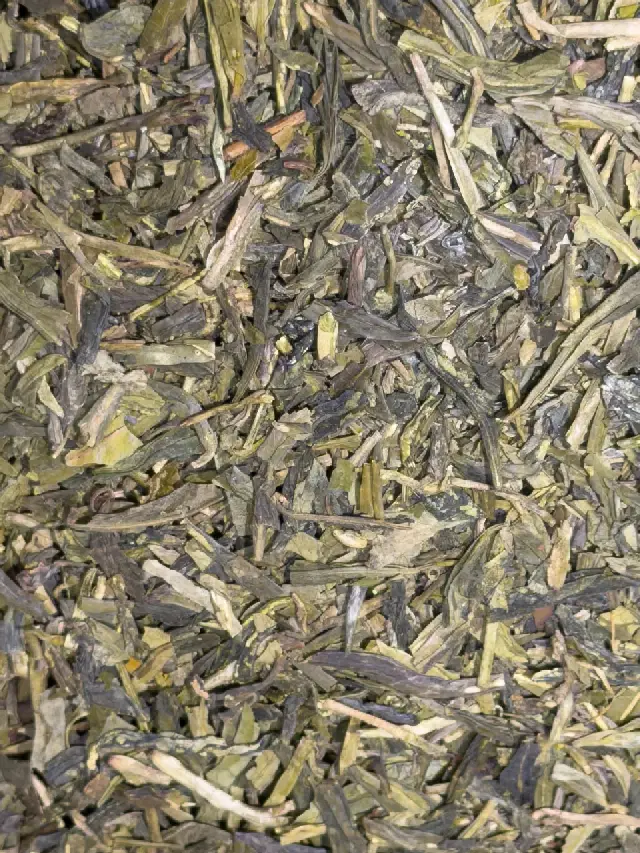
Zhejiang, on the east coast, is the province of green tea, and its most famous tea is Lung Ching, Longjing in pinyin, whose name means dragon well. It grows near West Lake, in Hangzhou. Its flat leaf, shaped with dry heat, gives a clear liquor and a note of roasted chestnut. Its product page sets it at 80 °C, 3 minutes, 5 g per 200 ml.
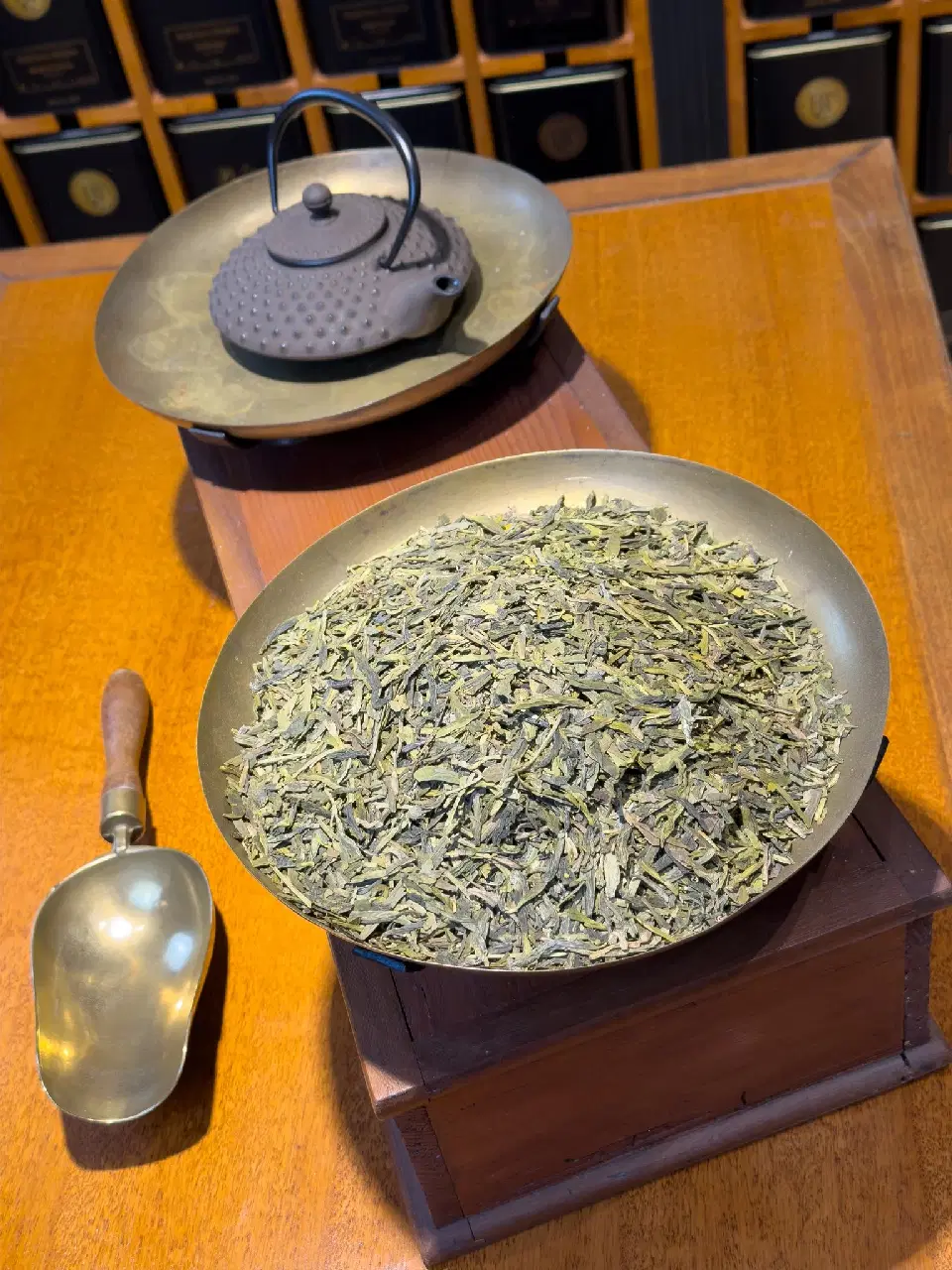
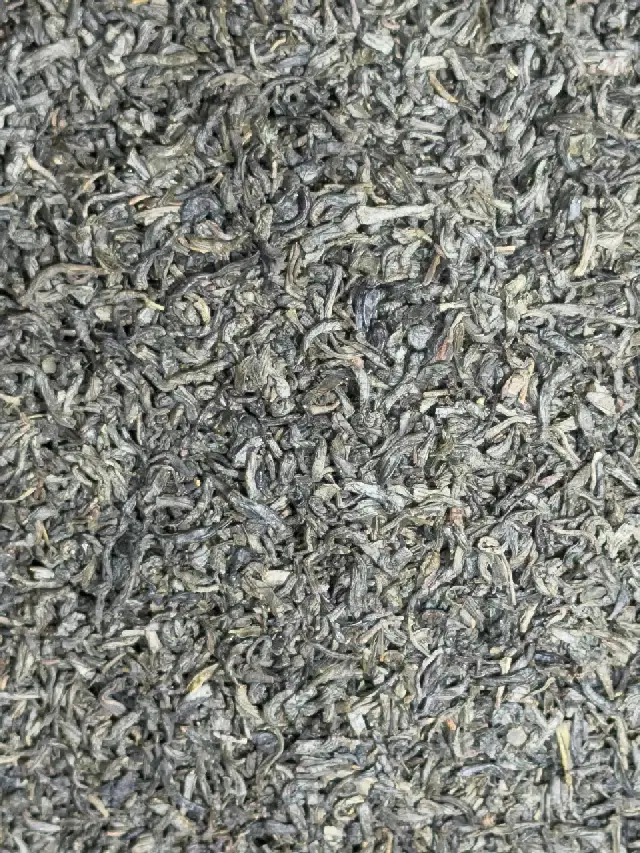
Chun Mee Zhejiang comes from the same province. Chun Mee means precious eyebrow: the fine, arched leaf has its shape. Frankly fresh and vegetal, with a slightly plummy note, it is prepared at 95 °C for 3 minutes, 5 g per 200 ml, and also serves as the base for mint green tea. To compare other Chinese greens, our green teas section brings them together.
Fujian: white teas and Lapsang Souchong from the Wuyi Mountains
Fujian, in the south-east, is the land of white teas, and Fuding County is their birthplace. Yin Zhen, silver needles, is made solely of buds picked by hand before they open, simply withered and dried. Its product page calls for water at 85 °C and a long time, 15 minutes, with 5 g per 200 ml: the buds release their flavour slowly.
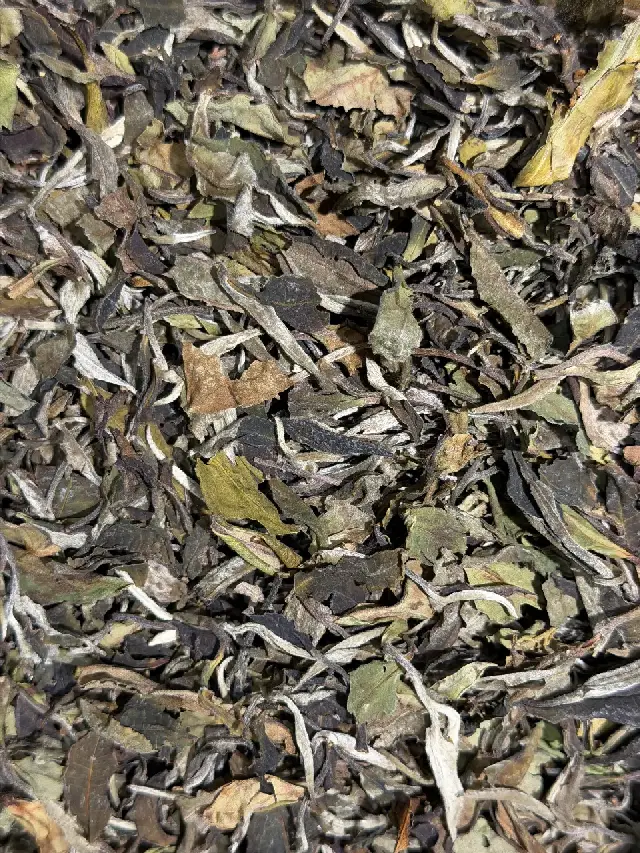
Pai Mu Tan Impérial, white peony, combines buds with young leaves. Its clear, velvety liquor, floral and woody, is prepared at 85 °C for 7 minutes, 5 g per 200 ml. Our white tea guide compares the two styles in detail.
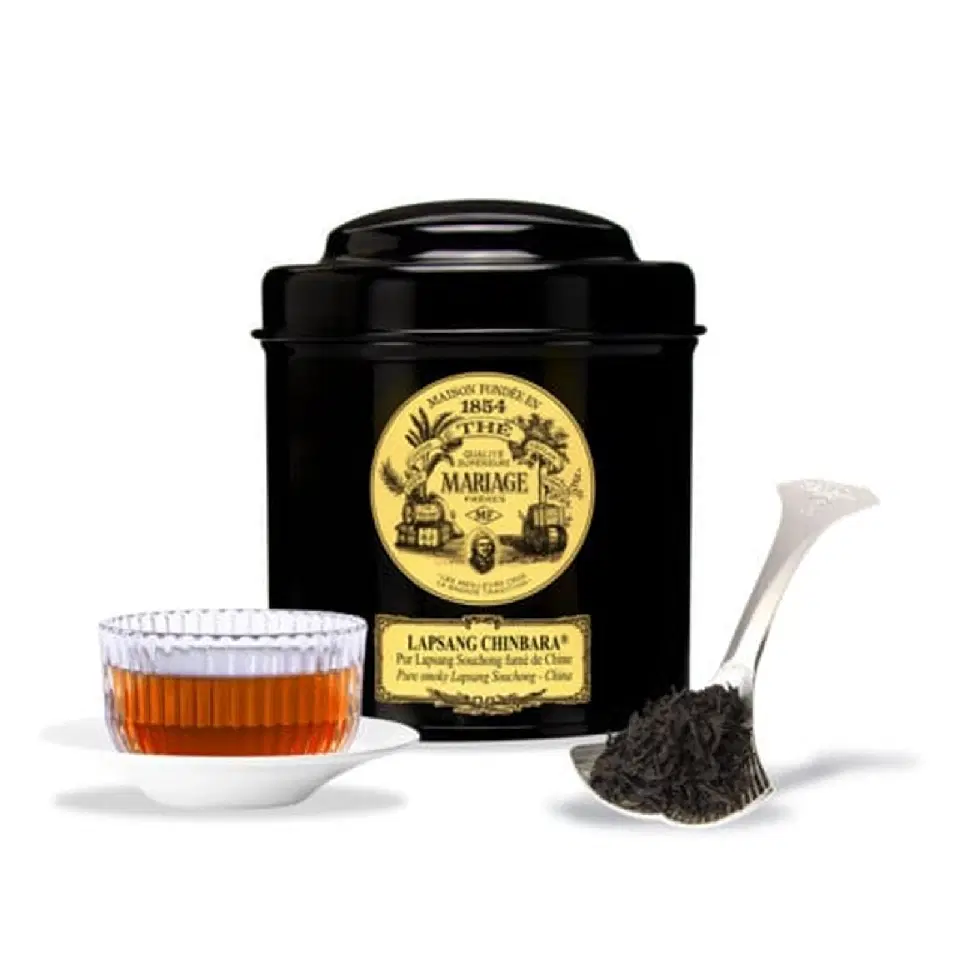
The Wuyi Mountains, in Fujian, gave birth to Lapsang Souchong, a black tea dried over a wood fire. Lapsang Chinbara follows this tradition: amber liquor, woody and resinous notes, 95 °C, 5 minutes, 2.5 g per 200 ml. Our comparison of smoked teas places it among its neighbours, from the lightest to the boldest.
Anhui: Keemun, the black tea of Qimen
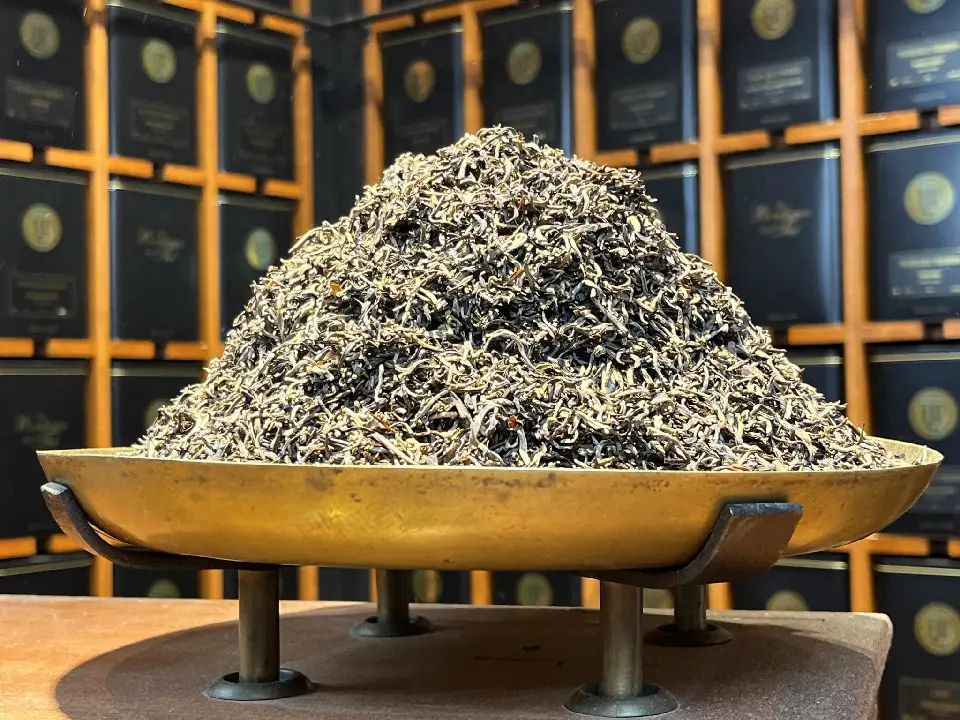
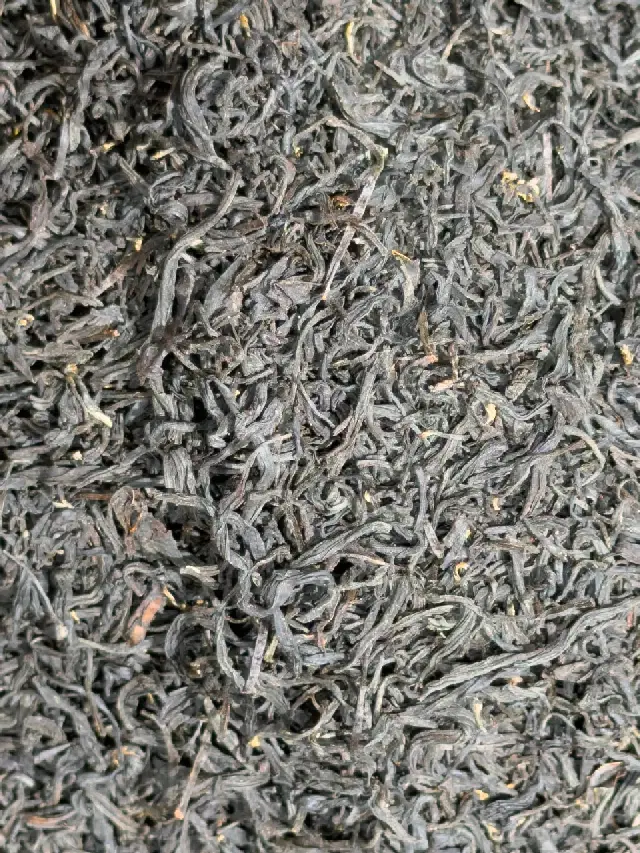
Keemun is the old transcription of Qimen, a district of Anhui, in eastern China, which gave its name to this black tea. Roi du Keemun FTGFOP1 is a selection of large leaves with golden tips: a brilliant red liquor, a gentle flavour, malty and woody notes, hints of cocoa. It is prepared at 95 °C for 5 minutes, 2.5 g per 200 ml, and is drunk plain, without milk.
Its brilliant red liquor helps explain why the Chinese speak of red tea. To place Keemun among the world's other black teas, from Assam to Darjeeling, see our guide to black tea styles.
Yunnan: golden black teas, pu-erh and yellow tea
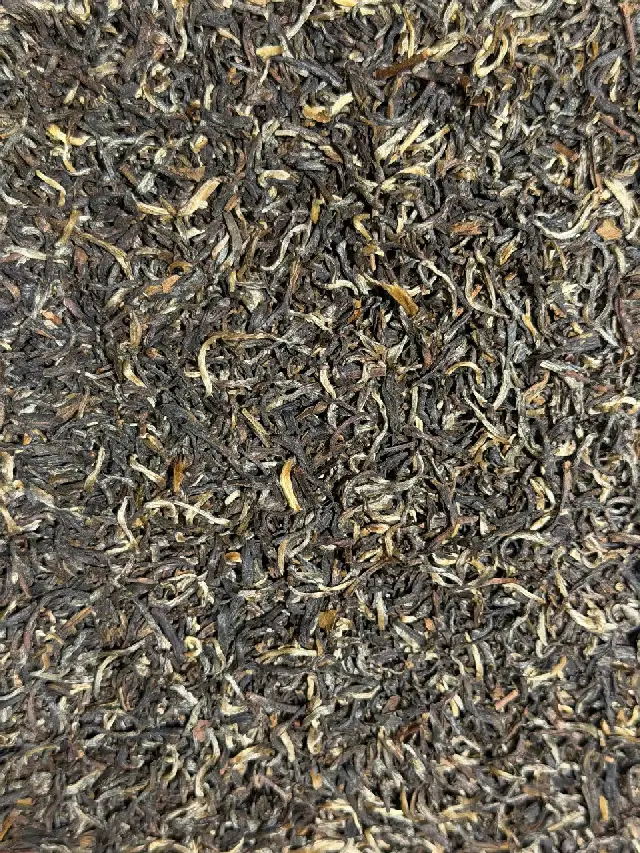
Yunnan, in the south-west, grows large-leaf tea plants, unlike the small leaves of the rest of China, and its teas retain that breadth. Chinese texts abbreviate the province to Dian: the red tea of Yunnan is therefore called Dian Hong. Grand Yunnan, rich in golden buds, gives an amber, rounded, malty liquor with a peppery touch, at 95 °C for 5 minutes, 2.5 g per 200 ml.
Pu-erh takes its name from a town in Yunnan. It is a dark tea that continues to transform after it is made. Pu-Erh Suprême is a ripe pu-erh, woody and silky: 95 °C, 5 minutes, 3.5 g per 200 ml, after a quick rinse of the leaves in hot water. Our Pu-Erh guide explains loose leaf and cakes.
Yunnan also produces the rarest family, yellow tea. Huang Cha, whose name simply means yellow tea, begins life as a green tea, then oxidises slowly under cover, which softens it. Its product page sets it at just 75 °C, 5 minutes, 5 g per 200 ml. And the province has its green teas: Montagne Kong Ming, with its broad leaves, is one of them.
Hunan and Guizhou: Gunpowder, jasmine and a rare oolong
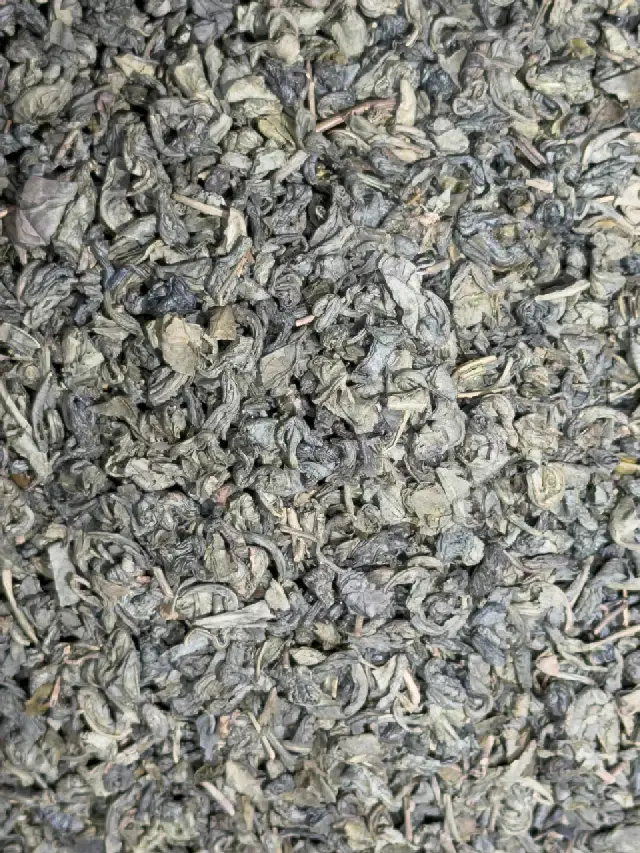
Hunan, in the centre of the country, gives Gunpowder, a green tea rolled into small pearls. According to tradition, the English name comes from merchants, who saw gunpowder in it. Its product page sets it at 95 °C for just 2 minutes, 3 g per 200 ml. Jasmin Monkey King, a green tea from Hunan, is scented with fresh jasmine flowers laid in layers on the leaves, then removed.
Guizhou, in the south-west, is less known to tea lovers. Kissed Blue Tea comes from there: a pure oolong whose young leaves, bitten by a small insect, begin a light oxidation of their own accord. Its amber liquor evokes white peach and caramel. It is prepared at 95 °C for 7 minutes, 3 g per 200 ml. Our oolong guide presents the other oolong teas.
Chinese teas in stock, province by province
This table brings together the teas mentioned, with their Chinese names translated and the settings from their product pages. Measures are given for a 200 ml cup: for a one-litre teapot, multiply by 5.
| Tea | Province | Family | What the name says | Settings per 200 ml |
|---|---|---|---|---|
| Lung Ching | Zhejiang | Green | Dragon well | 5 g, 80 °C, 3 minutes |
| Chun Mee Zhejiang | Zhejiang | Green | Precious eyebrow | 5 g, 95 °C, 3 minutes |
| Gunpowder | Hunan | Green | Gunpowder (English name) | 3 g, 95 °C, 2 minutes |
| Yin Zhen | Fujian | White | Silver needles | 5 g, 85 °C, 15 minutes |
| Pai Mu Tan Impérial | Fujian | White | White peony | 5 g, 85 °C, 7 minutes |
| Huang Cha | Yunnan | Yellow | Yellow tea | 5 g, 75 °C, 5 minutes |
| Kissed Blue Tea | Guizhou | Oolong | Kissed tea (house name) | 3 g, 95 °C, 7 minutes |
| Lapsang Chinbara | Fujian | Smoked black | Lapsang Souchong from the Wuyi Mountains | 2.5 g, 95 °C, 5 minutes |
| Roi du Keemun FTGFOP1 | Anhui | Black | Keemun, old spelling of Qimen | 2.5 g, 95 °C, 5 minutes |
| Grand Yunnan | Yunnan | Black | Red tea of Yunnan (Dian Hong) | 2.5 g, 95 °C, 5 minutes |
| Pu-Erh Suprême | Yunnan | Dark | Pu-erh, name of a town in Yunnan | 3.5 g, 95 °C, 5 minutes |
How do you prepare Chinese tea?
A Chinese tea is prepared according to its family and its leaf, not its country: settings range from 75 °C for Huang Cha to 95 °C for black teas, and from 2 minutes for Gunpowder to 15 minutes for Yin Zhen. The safest course is to follow each tea's product page, summarised in the table above.
Many of these whole leaves can be steeped several times: the Lung Ching page suggests 2 or 3 infusions, the Pu-Erh Suprême page many. To make the most of them, the Chinese method of gong fu cha strings together short infusions in a small gaiwan. For a first approach, take one tea per family: a green, a white, a black, then compare.
The sommelier's selection
Frequently asked questions
What are Chinese black teas called?
In China, black tea is called hong cha, red tea, after the colour of its infused leaves. The best known are named after their place of origin: Keemun comes from Qimen county, in Anhui, Dian Hong is the red tea of Yunnan, and Lapsang Souchong, smoked over a wood fire, comes from the Wuyi Mountains, in Fujian. There, the name black tea refers to another family, the dark teas such as pu-erh.
Is Gunpowder a Chinese green tea?
Yes. Gunpowder is an unflavoured green tea whose leaves are rolled into small, tight pearls that unfurl in the water. The one we sell comes from Hunan. Its product sheet sets it at 95 °C for 2 minutes, 3 g per 200 ml, without steeping longer. It is often the base for mint green tea, with fresh mint and sugar, and is also enjoyed plain.
What is a fermented Chinese tea?
The term often refers to pu-erh and the other dark teas, hei cha in Chinese. After processing, their leaf continues a slow transformation, through fermentation and ageing, which gives them woody and earthy notes. Pu-erh comes from Yunnan and is sold as loose leaf or pressed into cakes. Pu-Erh Suprême is a ripe pu-erh, to be steeped for 5 minutes at 95 °C after a quick rinse of the leaves.
Does oolong tea come from China?
Yes, oolong is a Chinese tea family: its name, wulong cha, means black dragon tea. Fujian is one of its great regions, notably the Wuyi Mountains, home of Da Hong Pao. Taiwan produces it too. Kissed Blue Tea, an unflavoured oolong from Guizhou, is prepared at 95 °C for 7 minutes, 3 g per 200 ml. Our oolong tea section gathers the others.
Does Yunnan produce green tea?
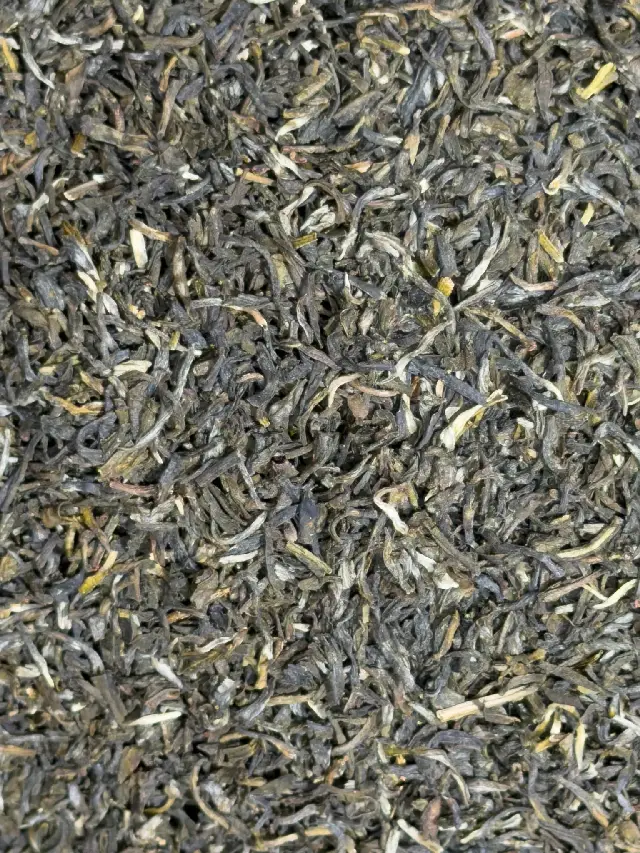
Yes, even though the province is best known for its black teas with golden buds and for pu-erh. Its large-leaf tea plants also yield generous, gentle green teas. Montagne Kong Ming, an unflavoured green tea from Yunnan, has a celadon and golden liquor, with no bitterness, and is prepared at 95 °C for 3 minutes, 5 g per 200 ml. Its leaves can be steeped a second time.
To go further
Sources
How we write our guides
Our guides are prepared by La Boutique du Thé, Mariage Frères stockist in Bordeaux and Nice since 1999, drawing on our product sheets, the experience of our shops and the sources cited. Each text is checked and approved by the team before publication. The teas and accessories featured are on sale at the time you read the page. The LBDT Sommelier · A question? Write to us
More guides from the house
- Fine tea: what makes a great tea, and how to recognise oneLuxury or fine tea: origin, harvest, plucking, grade and freshness. The connoisseur's vocabulary, the settings and the grands crus to give.Read the guide →
- Tea types: the six families, from green tea to dark teaA tea family depends on how the leaf is processed, not on the plant: green, white, yellow, oolong, black, dark, with a table and a tea for each.Read the guide →
- Black tea: the great styles, from Assam to Yunnan, and how to choose oneBlack tea: what sets it apart, its great styles from Assam to Lapsang, water temperature, steeping time and milk, with teas in stock.Read the guide →