
Pu-Erh: the guide to dark tea, from loose leaf to cake

By the LBDT Sommelier · published on · 3 min read
Reviewed and approved by the La Boutique du Thé team
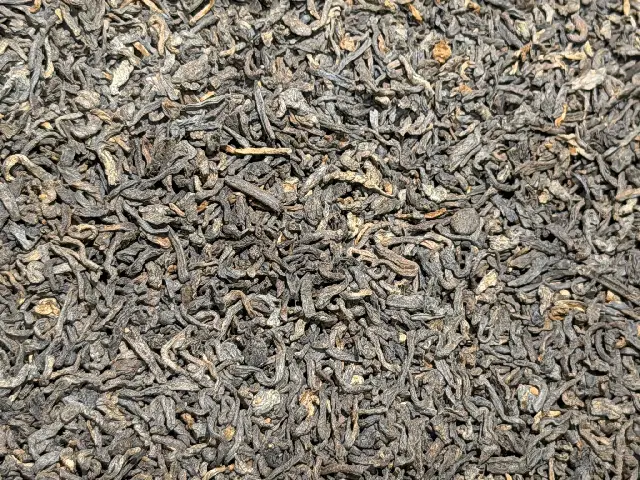
Pu-Erh is a tea from Yunnan, China, that has undergone fermentation after processing: its liquor is amber to brown, woody, earthy, with no astringency whatsoever. It comes in a raw version (sheng), which ages slowly, and a ripe version (shu), fermented in a few weeks for a round, mellow taste. To begin, Pu-Erh Mariage Frères loose leaf at €10 per 100 g, rinsed then steeped for 5 minutes at 95 °C.
Sheng and shu: the two Pu-Erhs
Pu-Erh begins as a sun-dried green tea from Yunnan, mao cha. From there, two paths.
Sheng, “raw”, is pressed into a cake and left to age: young, it is lively, fruity, slightly astringent, close to a powerful green tea; after ten or twenty years, it becomes round, woody and deep. This is the collectors’ Pu-Erh.
Shu, “ripe”, developed in the 1970s, is fermented in damp piles for a few weeks to achieve straight away the earthy notes and mellowness of an old sheng. It is the most common Pu-Erh, the one Mariage Frères sells as loose leaf.
Both are sold loose or compressed: the cake (beeng cha, traditionally 357 g, or 100 g), the brick, the nest. Compressed, the tea ages better and travels well; loose, it is easier to measure.
Our selection
| Tea | Type | Form | Preparation | Price |
|---|---|---|---|---|
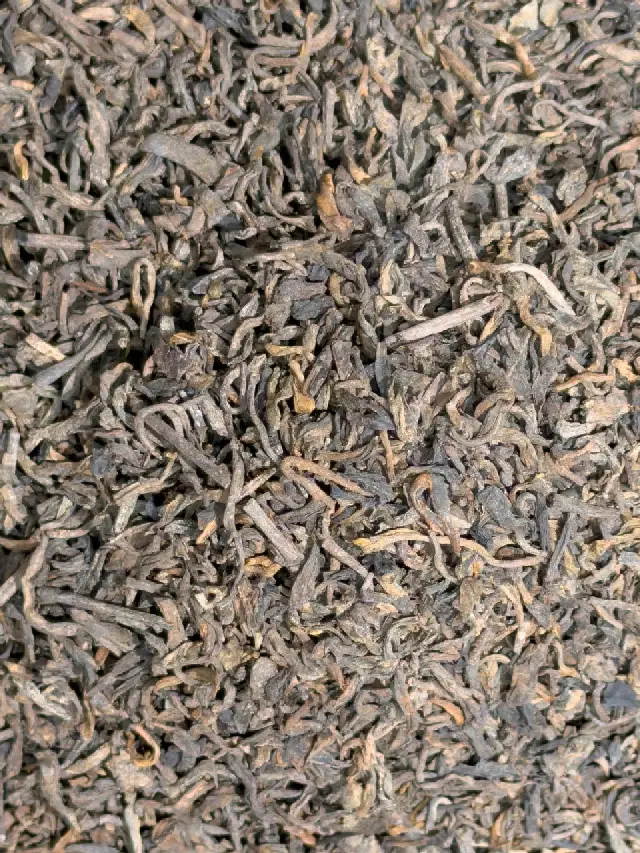
| Pu-Erh Mariage Frères | Shu, ripe | Loose leaf | 95 °C · 5 min | €10.00 / 100 g |
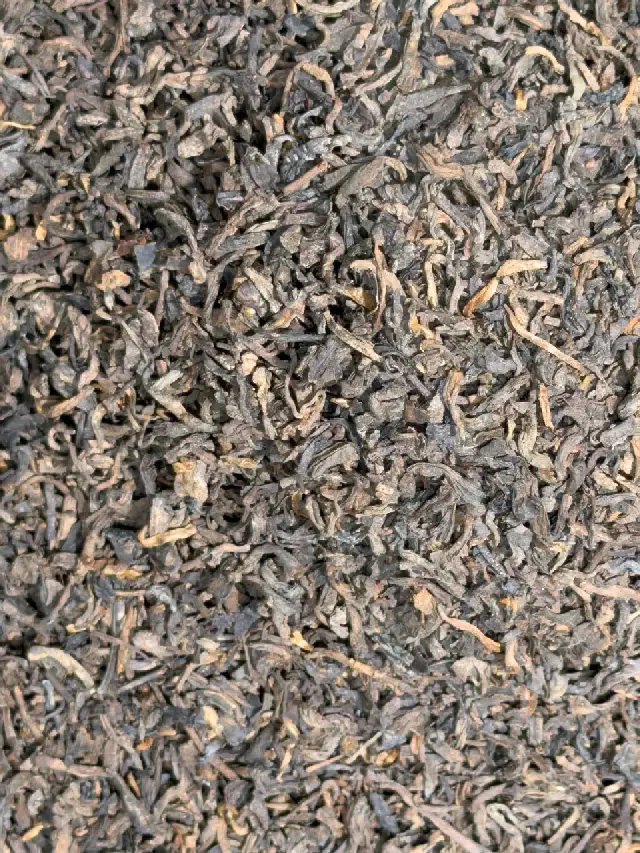
| Pu-Erh d’Outre Mer | Shu | Loose leaf | 95 °C · 5 min | €11.00 |
| Pu-Erh Suprême | Shu, great dark tea | Loose leaf | 95 °C · 5 min | €26.00 |
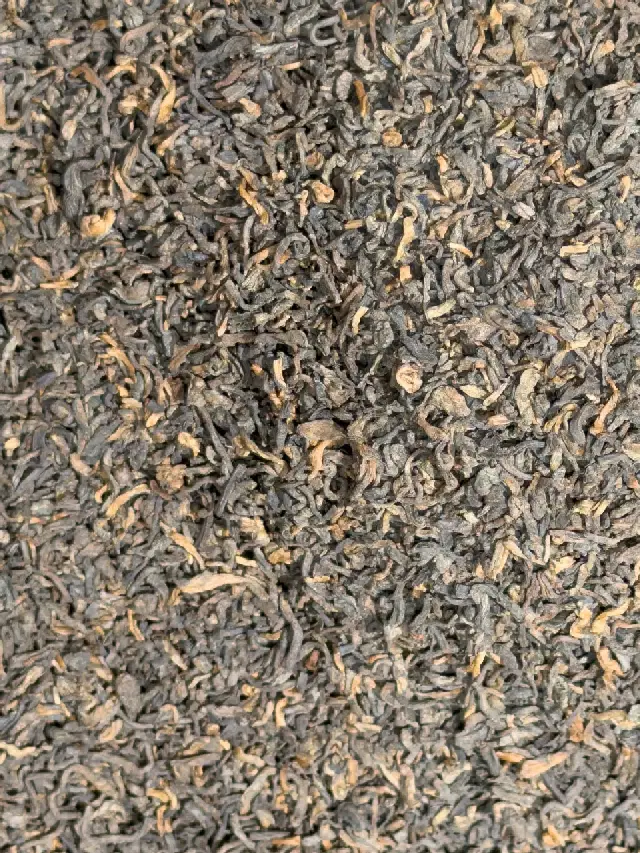
| Pu-Erh d’Or | Shu, golden buds | Loose leaf | 95 °C · 5 min | €58.00 |
| Earl Grey Pu-Erh | Shu flavoured with bergamot | Loose leaf | 95 °C · 5 min | €19.00 |
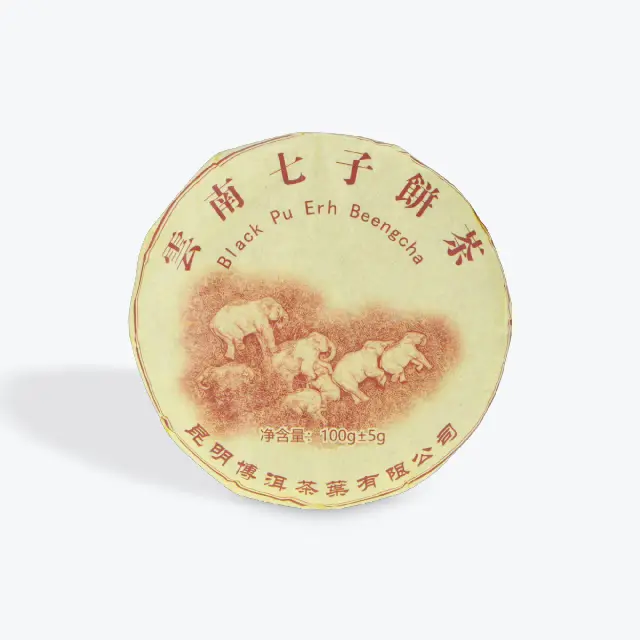
| Black Elephant Beeng Cha Sinas | Shu | 100 g cake | 100 °C · 2 to 4 min | €12.00 |
| Pu-Erh Beeng Cha Bio Sinas | Shu | 357 g cake | 100 °C · 1 to 3 min | €33.00 |
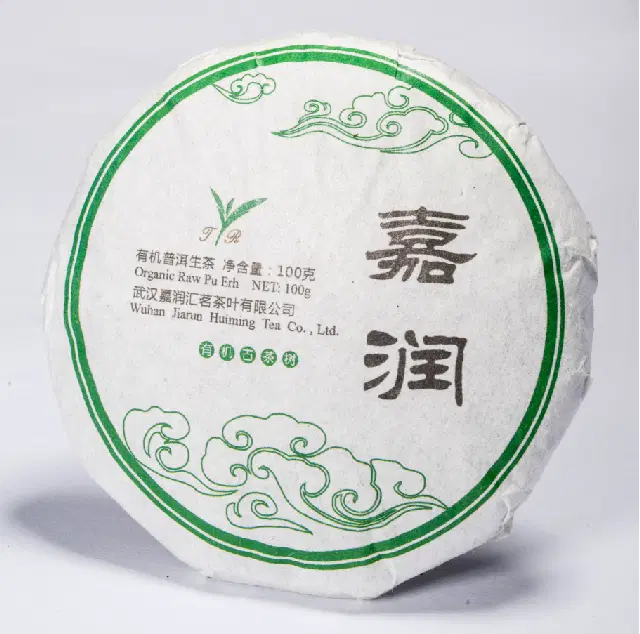
| Green Beeng Cha Sinas | Sheng, raw | 100 g cake | 100 °C · 1 to 3 min | €13.00 |
| Lu Zhuang Sinas | Sheng, raw | 100 g brick | 100 °C · 1 to 3 min | €15.00 |
How to prepare a Pu-Erh
- Rinse. Pour water at 95 °C over the leaves and discard it after ten seconds. This rinse awakens the tea and removes dust from fermentation. It is essential for a shu, useful for a sheng.
- In a teapot: 2.5 g per 200 ml, 95 °C, 5 minutes for Mariage Frères Pu-Erhs; only 2 to 4 minutes for the more concentrated Sinas cakes.
- In short infusions: 5 g per 150 ml, 30 seconds, then 45 seconds, then 1 minute… A good shu lasts eight infusions, a sheng more. This is the method that reveals the most of a Pu-Erh.
- Breaking off a cake: use a Pu-Erh knife or a flat pick, sliding between the layers rather than breaking, to keep the leaves whole.
Storage and ageing
Unlike other teas, Pu-Erh improves with time, provided it is kept away from light and odours, in a place neither dry nor damp, without an airtight container: it needs a little air. A sheng evolves over decades; a shu stabilises after two or three years. Sinas cakes, in their original paper, keep in an open cupboard, away from the kitchen.
Which one to choose
- Discovery: Pu-Erh Mariage Frères as loose leaf, the least expensive and the easiest to measure.
- To understand cakes: Black Elephant Beeng Cha, a 100 g cake at €12.
- To taste a raw Pu-Erh: Green Beeng Cha, a young sheng, fruity and fresh.
- For a great Pu-Erh: Pu-Erh d'Or, with golden buds.
- If you love Earl Grey: Earl Grey Pu-Erh, unexpected and accomplished.
The sommelier's selection

Frequently asked questions
What is Pu-Erh?
A tea from Yunnan, in China, that has fermented after processing. It is woody, earthy, without astringency, and it is the only tea that improves with age.
Why rinse Pu-Erh?
A first ten-second rinse in hot water wakes the compressed leaves and washes away the dust of fermentation. This first water is discarded.
Does Pu-Erh contain caffeine?
Yes, a moderate amount of caffeine, comparable to a black tea. It is a daytime tea, often drunk after meals in China.
Sheng or shu: which to choose to begin with?
Shu, or cooked, pu-erh is round and mellow from the moment you buy it: Pu-Erh Mariage Frères or Black Elephant. Sheng, or raw, pu-erh is livelier and needs to be tamed.
How do you break a Pu-Erh cake?
With a flat pick slipped between the layers, lifting rather than breaking, to release whole leaves. Take what you need and wrap the cake back in its paper.
To go further
Written by the LBDT Sommelier, La Boutique du Thé, official Mariage Frères stockist in Bordeaux and Nice since 1999. Published on 15 October 2026. Prices as observed on the date of publication; the price shown on the product page prevails.
More guides from the house
- Fine tea: what makes a great tea, and how to recognise oneLuxury or fine tea: origin, harvest, plucking, grade and freshness. The connoisseur's vocabulary, the settings and the grands crus to give.Read the guide →
- Tea types: the six families, from green tea to dark teaA tea family depends on how the leaf is processed, not on the plant: green, white, yellow, oolong, black, dark, with a table and a tea for each.Read the guide →
- Which tea to choose? The guide to finding the one that suits youTea types, moments of the day, tastes, loose leaf or cotton muslin: our professional advice since 1999 to help you choose the tea that suits you.Read the guide →