
Oolong, blue tea: the guide to semi-oxidised teas

By the LBDT Sommelier · published on · 3 min read
Reviewed and approved by the La Boutique du Thé team
Oolong, which Mariage Frères calls blue tea, is a tea whose oxidation has been halted halfway between green and black. Its liquor is golden, velvety and low in caffeine, and the same leaf can be steeped several times. For a first try, Milky Blue at €18 per 100 g, with its milky flavour, or the plain Grand Oolong de Formose at €20, 5 to 7 minutes at 95 °C.
What makes an oolong
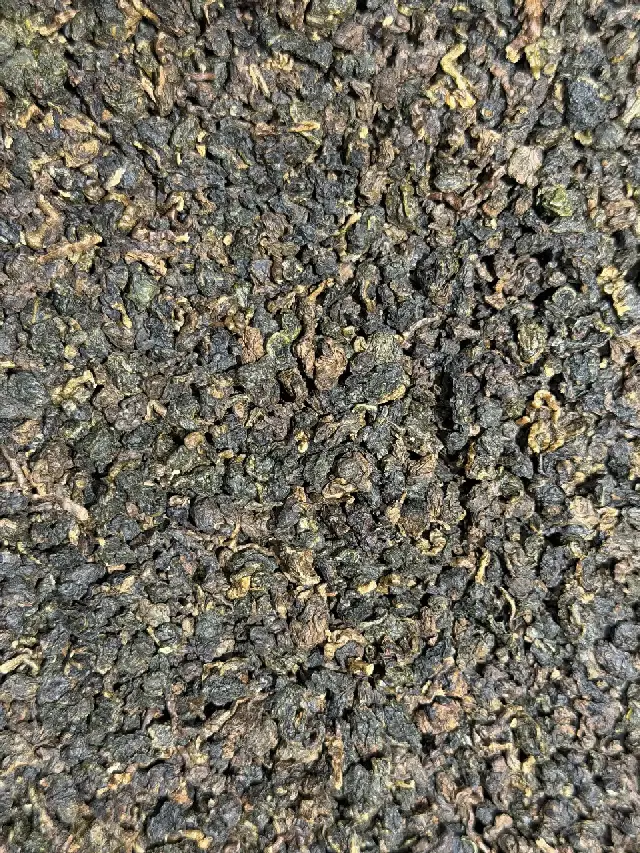
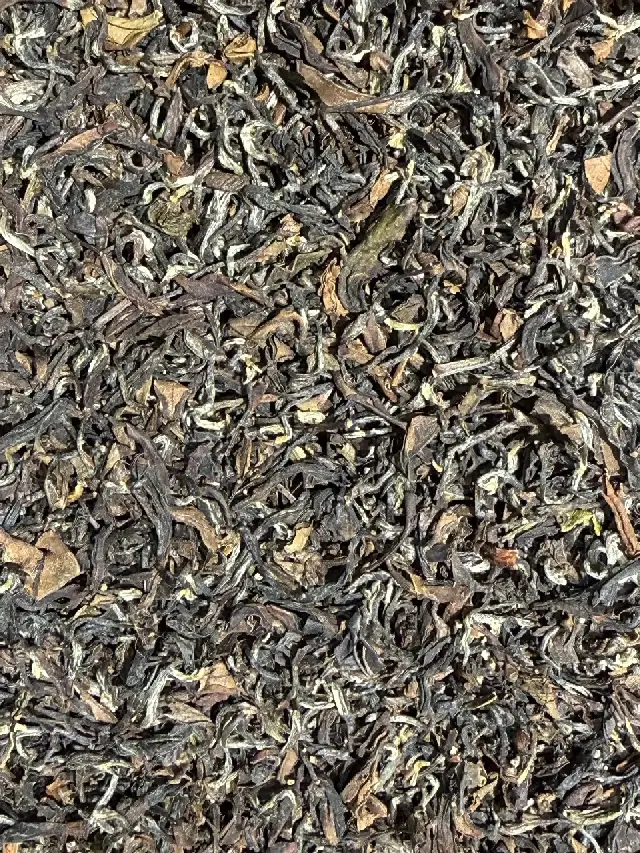
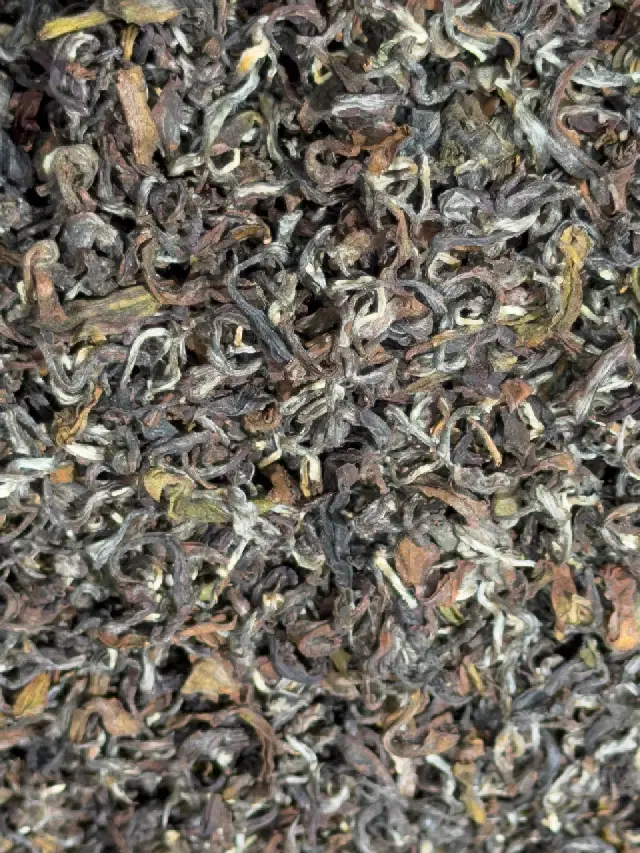
After plucking, the leaves are withered, shaken to bruise their edges, then heated to halt oxidation at between 15 and 70%. A lightly oxidised oolong stays green and floral, close to a green tea; a heavily oxidised oolong, sometimes roasted, leans towards black tea, with notes of ripe fruit, toasted nuts or honey. The leaf is often rolled into a pearl and unfurls in the teapot. The great origins are Formosa (Taiwan) and Fujian in China; Nepal, Thailand, Java and even Kyoto produce it today.
The pure oolongs in our selection
| Tea | Origin | Style | Preparation | 100 g |
|---|---|---|---|---|
| Grand Oolong | Formosa | Golden, velvety, woody | 95 °C · 7 min | €20.00 |
| Grand Oolong Fancy | Formosa | Superior grade, more floral | 95 °C · 7 min | €32.00 |
| Ambre Bleu | Formosa, Nantou | Long oxidation, toasted nuts, honey | 95 °C · 4 min | €29.00 |
| Oriental Beauty | Formosa | Bai Hao, amber, ripe fruit | 95 °C · 7 min | €52.00 |
| Blue Himalaya | Nepal | High altitude, golden, rounded | 95 °C · 7 min | €39.00 |
| Kyoto Oolong | Japan | Rare, floral | 90 °C · 4 min | €39.00 |
| Java Blue | Indonesia | Mellow, velvety | 95 °C · 4 min | €26.00 |
| Kissed Blue Tea | China, Guizhou | Golden, fruity sweetness | 95 °C · 7 min | €30.00 |
| Maori Blue | New Zealand | Rare, velvety | 95 °C · 3 min | €69.00 |
Flavoured oolongs
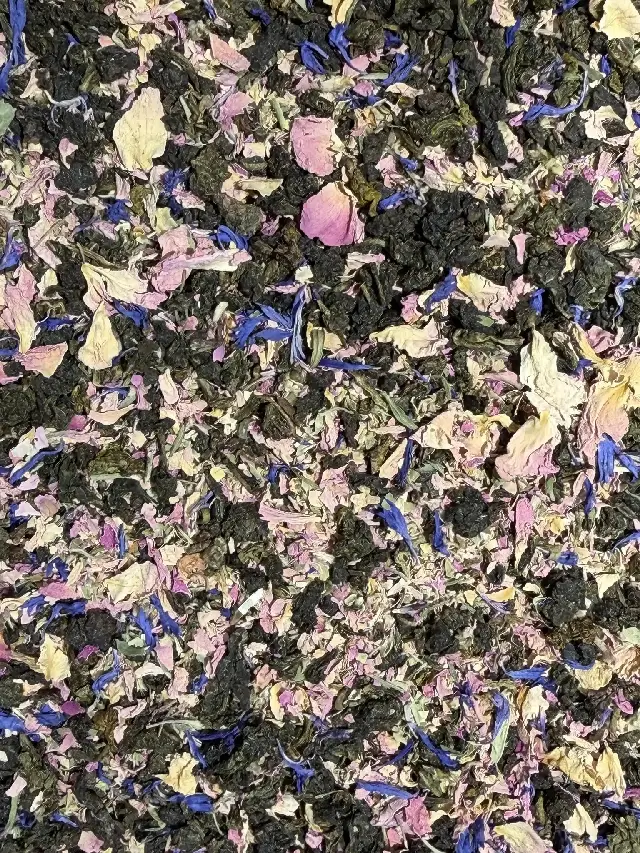
An oolong base carries flavours beautifully, and this is where Mariage Frères is best known. Milky Blue (€18) and its variations Absolu and Caramelo (dulce de leche and cocoa, €21) have a milky flavour that wins over even the most reluctant tea drinkers. Marco Polo Blue (€20) brings the house's signature flavour to oolong. For flowers: Rose d’Amour (Damask rose, €18), Orchidée Magique (€18), Jasmin Précieux (€24). For spices and citrus: Chaïwallah (€23), Earl Grey Beauty (€19), Majestic Lime & Ginger (€16). Shanghai Breakfast Tea (€14) is the spiced morning oolong.
How to prepare an oolong
- In a teapot, Western style: 2.5 g per 200 ml, 95 °C, 4 to 7 minutes depending on the product sheet. Rolled oolongs need the longer time to open.
- In multiple infusions, Chinese style: 5 g per 150 ml in a small teapot or a gaiwan, water at 95 °C, 30 seconds the first time, then 45 seconds, 1 minute, and so on. A Grand Oolong or an Ambre Bleu will yield five to six infusions, each one different. It is the most economical way to enjoy a fine oolong.
- Caffeine: low. Oolong suits the afternoon and early evening.
- Iced: Marco Polo Blue and Milky Blue, 10 g per litre of cold water overnight, make mellow carafes.
Which one to choose
- You have never tried oolong: Milky Blue if you like flavoured teas, Grand Oolong if you prefer pure teas.
- You like green teas: Kyoto Oolong or Blue Himalaya, lightly oxidised and floral.
- You like black teas: Ambre Bleu or Oriental Beauty, with long oxidation.
- You want to re-infuse: Grand Oolong Fancy or Ambre Bleu, in short infusions.
The sommelier's selection
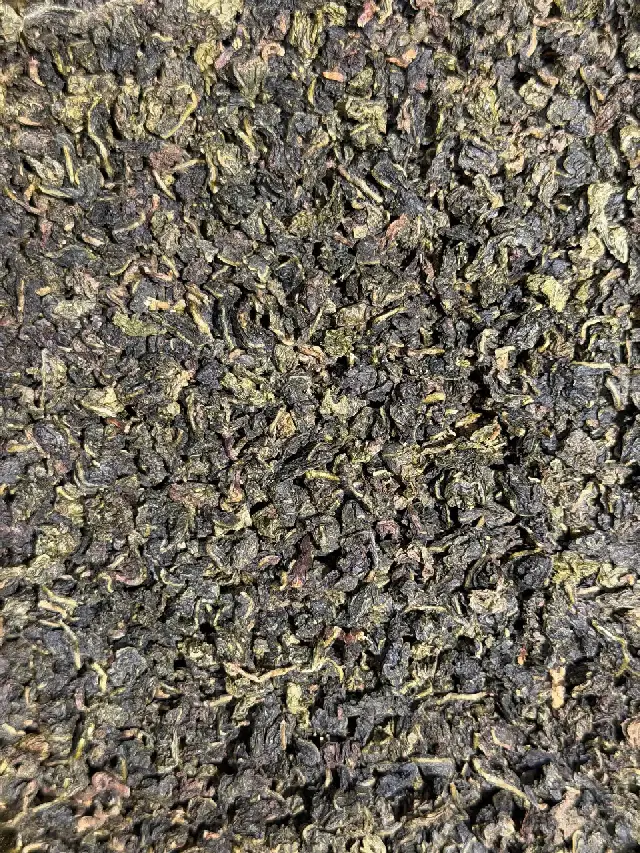
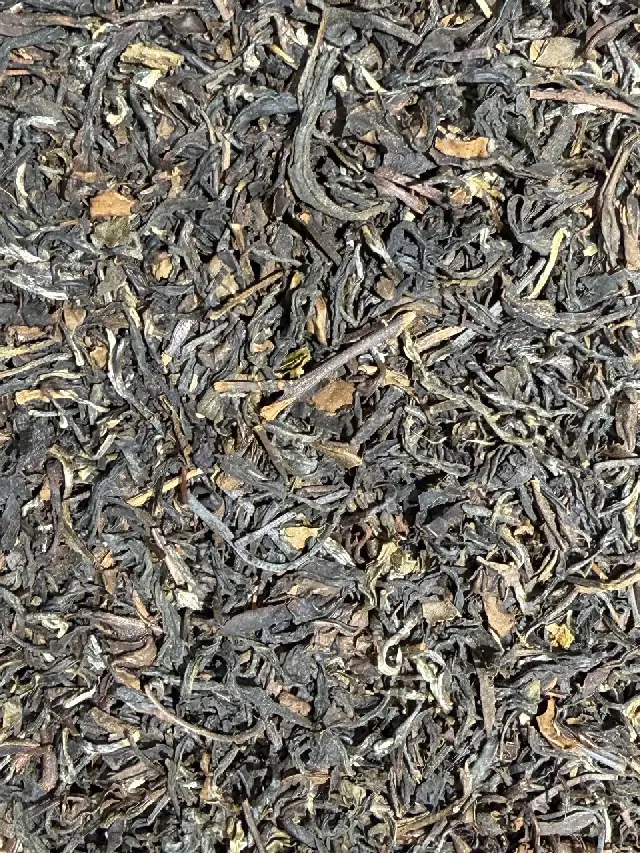
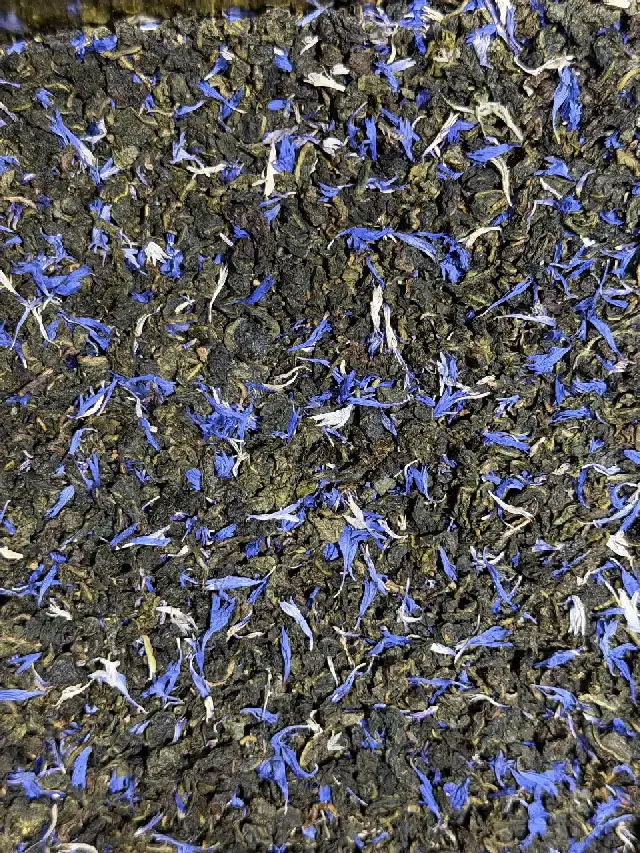
Frequently asked questions
What is a blue tea?
It is the name Mariage Frères gives to oolong, a semi-oxidised tea between green and black. The infused leaf has a blue-green tint, hence the name.
Does oolong contain a lot of caffeine?
Little: our product pages list it as low caffeine. It is an afternoon tea.
How many times can you re-infuse an oolong?
Three to six times for a fine pure oolong, in short infusions of 30 seconds to 2 minutes. Flavoured oolongs last two to three infusions.
Which oolong for someone who doesn't like tea?
Milky Blue, with its milky fragrance, rounded and smooth: an oolong to enjoy without bitterness.
What is the difference between Grand Oolong and Grand Oolong Fancy?
Same origin, Formosa. Fancy is a finer picking, more floral with a longer finish; €32 versus €20 per 100 g.
To go further
Written by the LBDT Sommelier, La Boutique du Thé, official Mariage Frères stockist in Bordeaux and Nice since 1999. Published on 15 October 2026. Prices as observed on the date of publication; the price shown on the product page prevails.
More guides from the house
- Fine tea: what makes a great tea, and how to recognise oneLuxury or fine tea: origin, harvest, plucking, grade and freshness. The connoisseur's vocabulary, the settings and the grands crus to give.Read the guide →
- Tea types: the six families, from green tea to dark teaA tea family depends on how the leaf is processed, not on the plant: green, white, yellow, oolong, black, dark, with a table and a tea for each.Read the guide →
- Tea-producing countries: where tea grows and what each origin brings to the cupTea-producing countries, from China to Rwanda: where the tea plant grows, what makes a terroir and the style of 12 origins, each with a tea to taste.Read the guide →