
How to store tea: what spoils it, where to keep it, which tin to choose

By the LBDT Sommelier · published on · 6 min read
Reviewed and approved by the La Boutique du Thé team
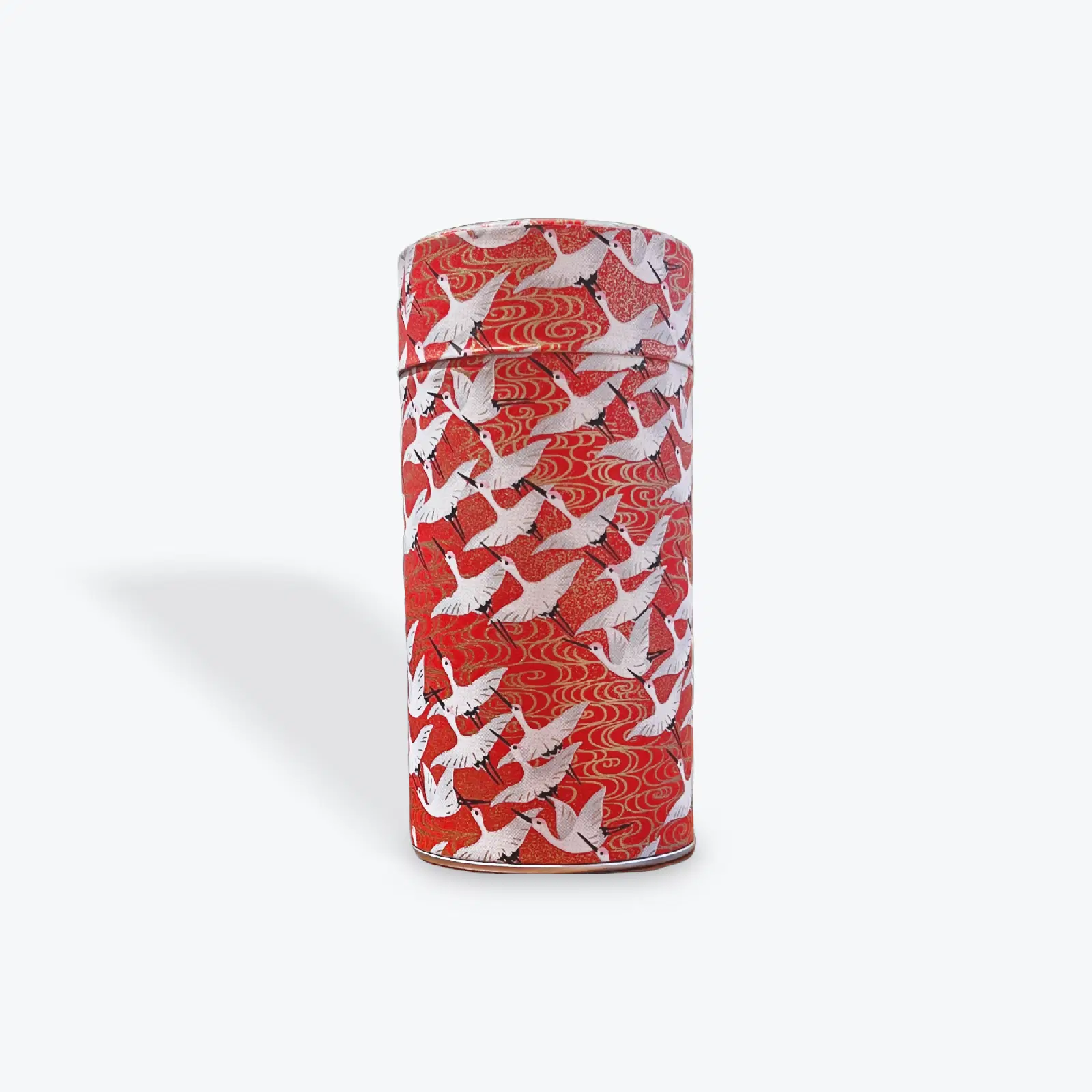
To store tea, keep it in an opaque tin that closes tightly, at the back of a dry cupboard, away from the cooker and spices: air, light, moisture, heat and odours are what spoil it. Here is where to keep it, which tin to choose, the precautions specific to green tea, Pu-Erh or matcha, and what the date on the packet means.
How to store tea: the simple habits that are enough
To store tea well, protect it from five things: air, light, moisture, heat and odours. In practice, this comes down to four habits: an opaque tin that closes properly, a dry cupboard away from the cooker and the spices, a spoon that is always dry, and a tin sized to the tea that remains.
- An opaque, closed tin: metal by preference, with a lid that closes without any play.
- A dry, temperate cupboard: not above the hob, not next to the sink, not on a windowsill.
- Away from odours: spices, coffee and household products stored elsewhere.
- A dry spoon, a tin closed quickly: every opening lets air in.
What spoils tea?
Tea is spoiled above all by air, moisture and heat, which alter the dry leaf and fade its fragrance; light and odours do the rest. A Chinese study published in 2022 on a green tea measured the effect of temperature, air humidity and the amount of oxygen in the packaging: the most stable conditions for flavour combined a moderate room temperature, low-humidity air and very little oxygen.
Another study, carried out on commercial green teas, measured a gradual decline in their characteristic compounds over a few months of storage at room temperature. The lesson for the home is simple: a tea keeps, but it does not improve, with some exceptions.
Odours are less visible but quickly tasted: a dry leaf takes on the scent of whatever surrounds it. That is why our guides repeat the same advice for teas and herbal infusions alike: an opaque, airtight tin, away from kitchen spices.
Where should you keep tea at home?
The right place to keep tea is a closed, dry cupboard at room temperature, away from sources of heat and steam. In a kitchen, that rules out the top of the cooker hood, the cupboard next to the oven, the one under the sink and the spice shelf.
For leaf tea, a cupboard is enough: the refrigerator is not necessary. Matcha is the exception: once the tin is opened, our matcha guide recommends keeping it in the refrigerator, tightly closed, and waiting a few minutes before opening it to avoid condensation.
Which tin should you use to store tea?
The right tea tin is opaque, closes properly and is sized to the quantity to be kept. Metal is the simplest choice: indeed, this is how Mariage Frères sells some of its teas, such as Marco Polo in a 100 g tea tin, alongside the same tea in a loose leaf bag to decant at home. You will find our full selection in the tea tins section.
Esprit Céladon washi and illustrated tins
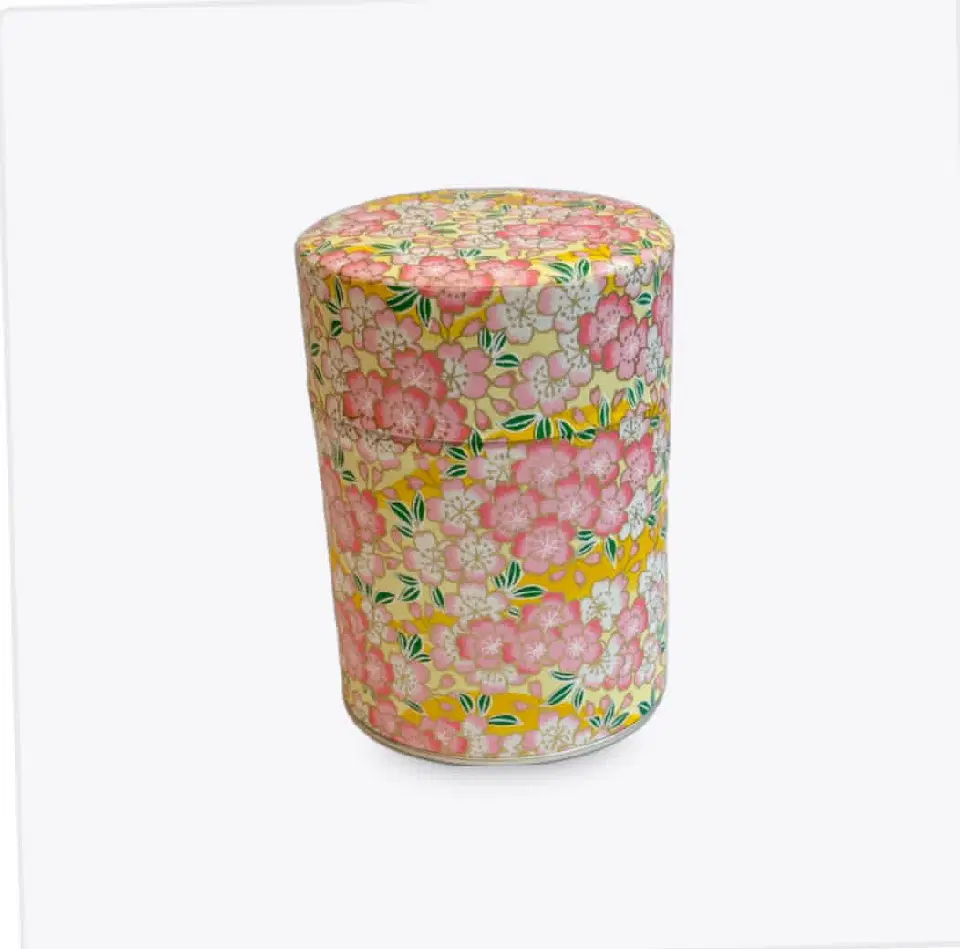
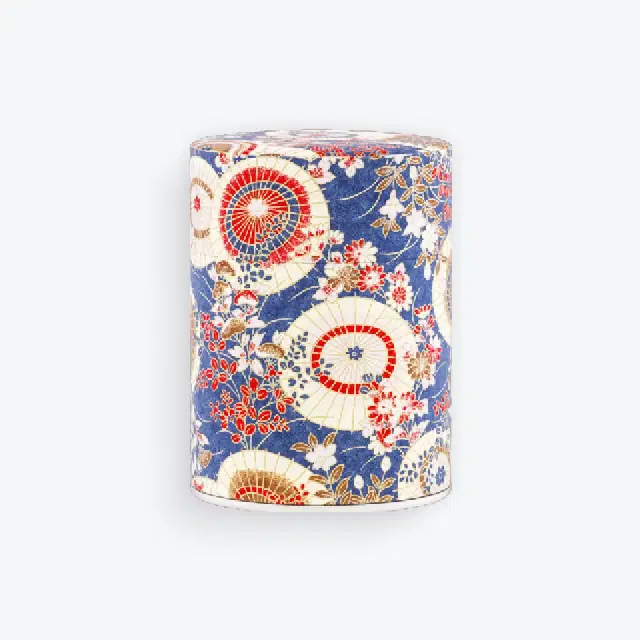
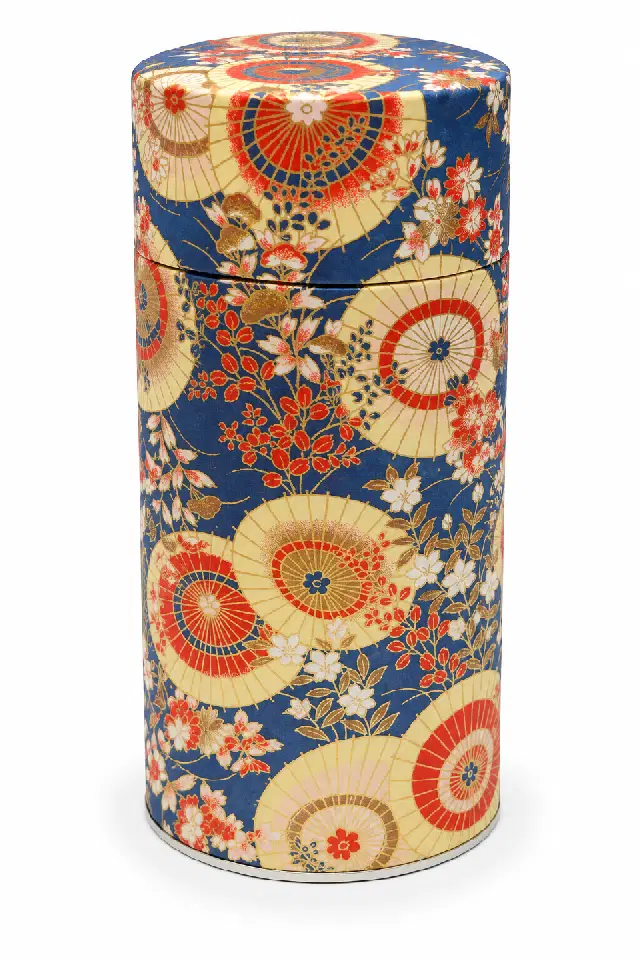
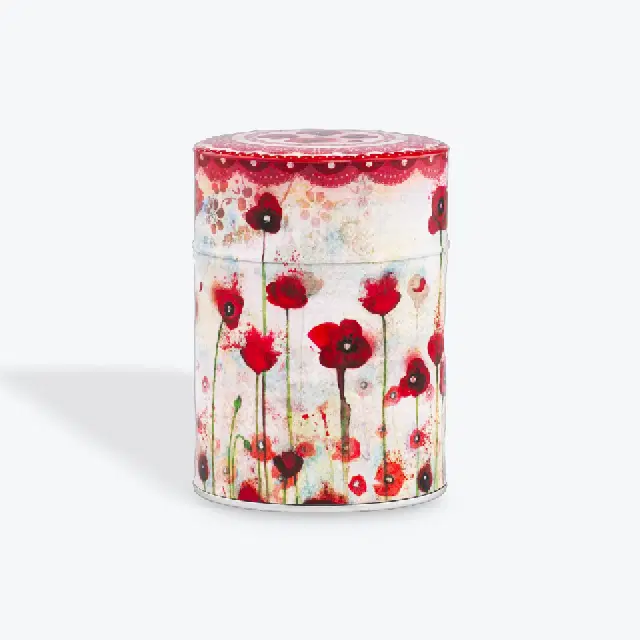
The tins in the Esprit Céladon range have a tinplate body and a double lid, and are decorated by hand in France. The Boîte Washi Papier · 100 g and the Boîte Washi Papier · 150 g are covered in washi paper; the Boîte Illustrée · 100 g bears a lacquered design. All three come in many patterns.
The house black tins
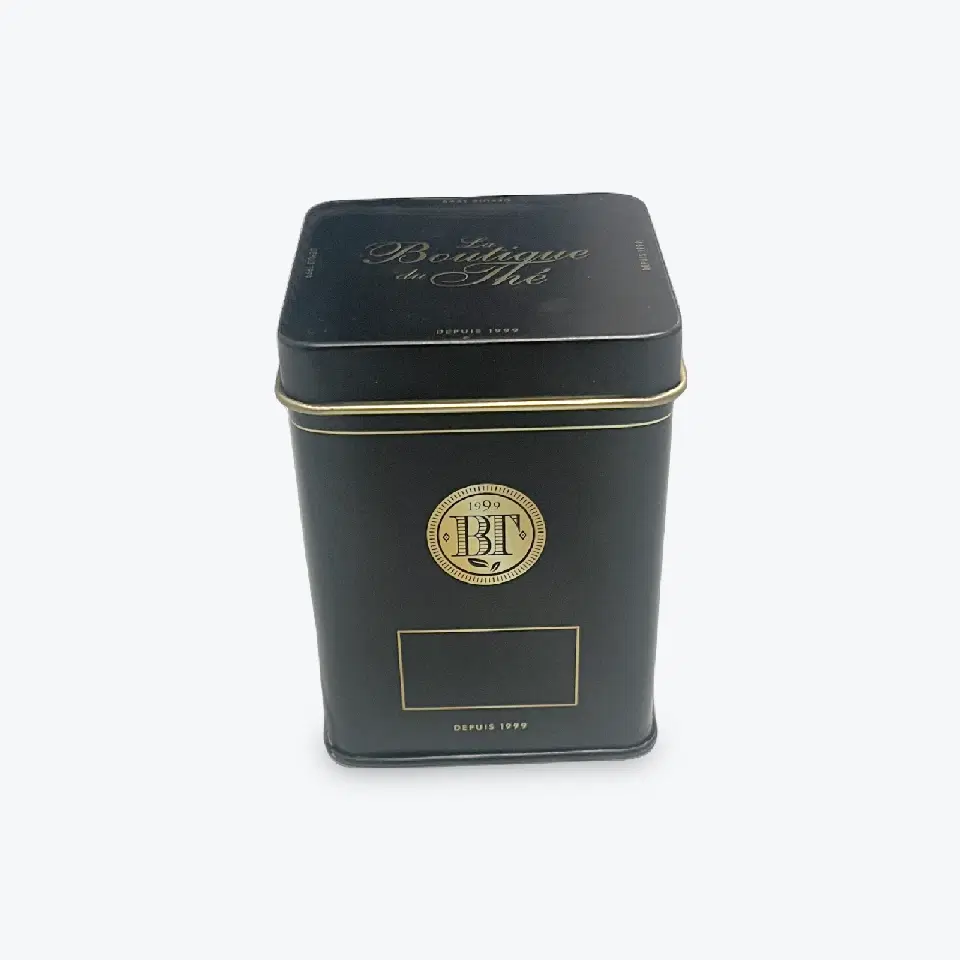
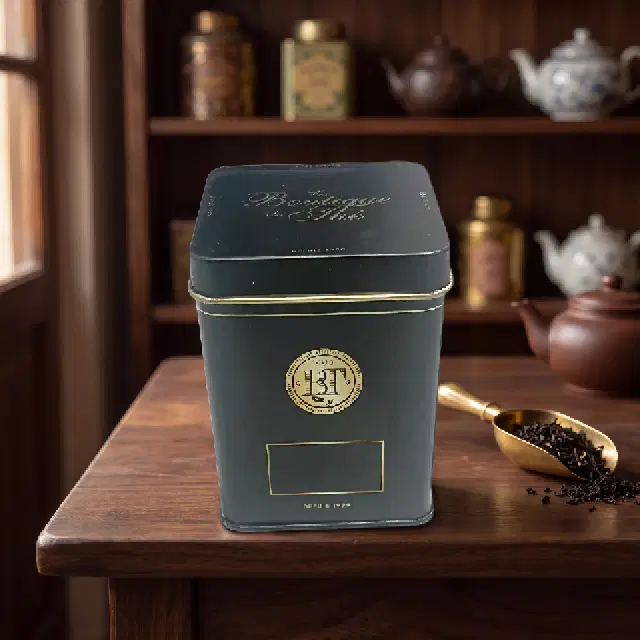
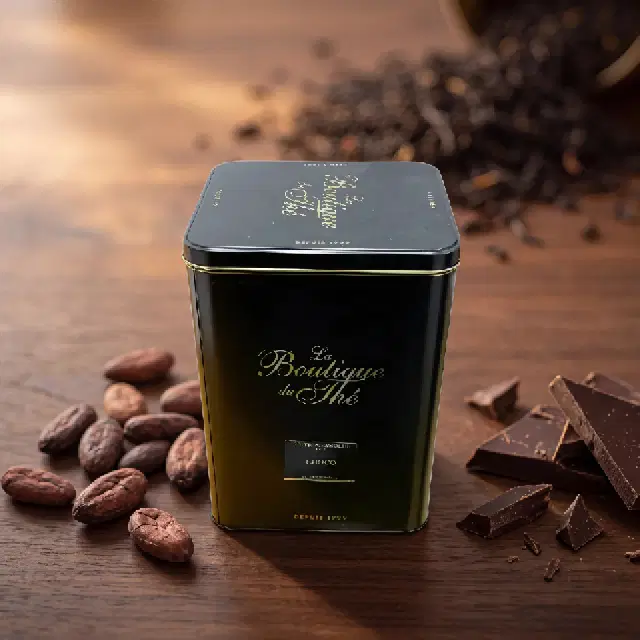
The Boîte Noire Vide 50 g suits a tea you are tasting in a small quantity, or the remainder of a packet: the less air around the leaves, the better they keep. The large Boîte Noire Vide 2 kg is designed to keep the leaves out of the light, day to day.
The wooden box for tea bags
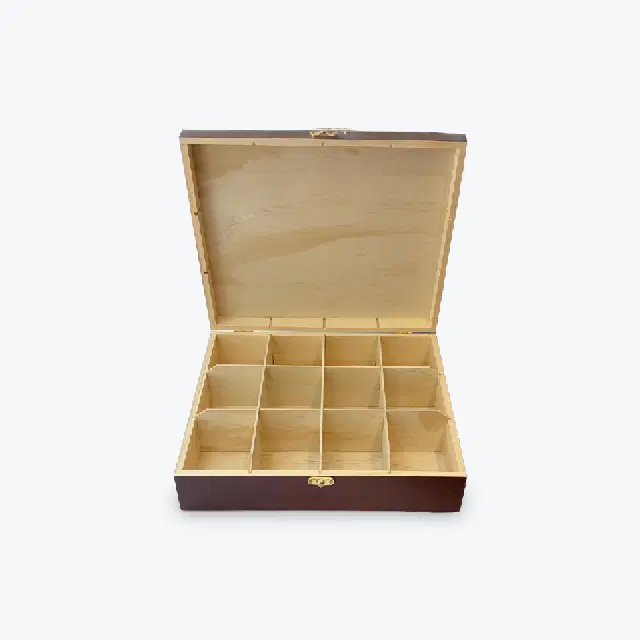
The Boîte à Thé Bois · 12 Compartiments is for sorting tea bags and blends: each in its own compartment, lid closed. For loose leaf tea, we recommend instead one closed metal tin per tea, so that the fragrances do not mingle.
Green tea, flavoured tea, Pu-erh, matcha: each has its own precautions
Most teas are stored in the same way, but four cases call for particular care. The table summarises what our guides and the studies cited as sources say.
| Tea | What changes first | Where to keep it |
|---|---|---|
| Green tea | Its vegetal freshness, within a few months at room temperature | A full metal tin, a cool cupboard; buy quantities you will finish quickly |
| Flavoured tea (Earl Grey, fruit and flower teas) | The fragrance, before the taste of the tea | A closed metal tin, away from kitchen odours |
| Plain black tea, oolong | The aromas | An opaque, airtight tin, a dry cupboard |
| Pu-erh | It evolves over time and can benefit from ageing | Away from light and odours, without an airtight tin: it needs a little air |
| Matcha | Its colour and aromas, quickly once opened | An airtight tin in the refrigerator after opening |
| Rooibos, herbal infusions | The fragrance of flavoured versions | An opaque, airtight tin, away from spices |
For the details, each type has its own guide: storing and ageing cakes in our Pu-erh guide, storing first flushes in our Darjeeling guide, and storing loose plants in the guide to single-plant herbal infusions.
Does tea go off? Reading the date on the packet
Tea does not carry a use-by date, but a date of minimum durability, indicated by the words “best before”. According to the official information sheets on food dates cited as sources, a foodstuff past this date may have lost some of its qualities without presenting any risk, as long as its packaging is not damaged. For a tea kept dry, this mainly means a more subdued fragrance.
| The date shows | Durability intended by the manufacturer |
|---|---|
| The day and the month | Less than 3 months |
| The month and the year | From 3 to 18 months |
| The year only | More than 18 months |
Only the use-by date, “use by”, requires a product to be thrown away, and it applies to highly perishable foodstuffs, not to dry tea. A tea past its date is therefore judged by the nose and in the cup: if it smells mouldy or shows traces of moisture, it should no longer be drunk; if it is merely more subdued, it remains drinkable.
Giving tea that is already well stored
Giving a tin together with the tea that goes in it means giving a tea that will keep. A Boîte Washi Papier · 100 g by Esprit Céladon holds a 100 g bag of loose leaf tea, such as Marco Polo; the Boîte Illustrée · 100 g plays the same role with a lacquered design.
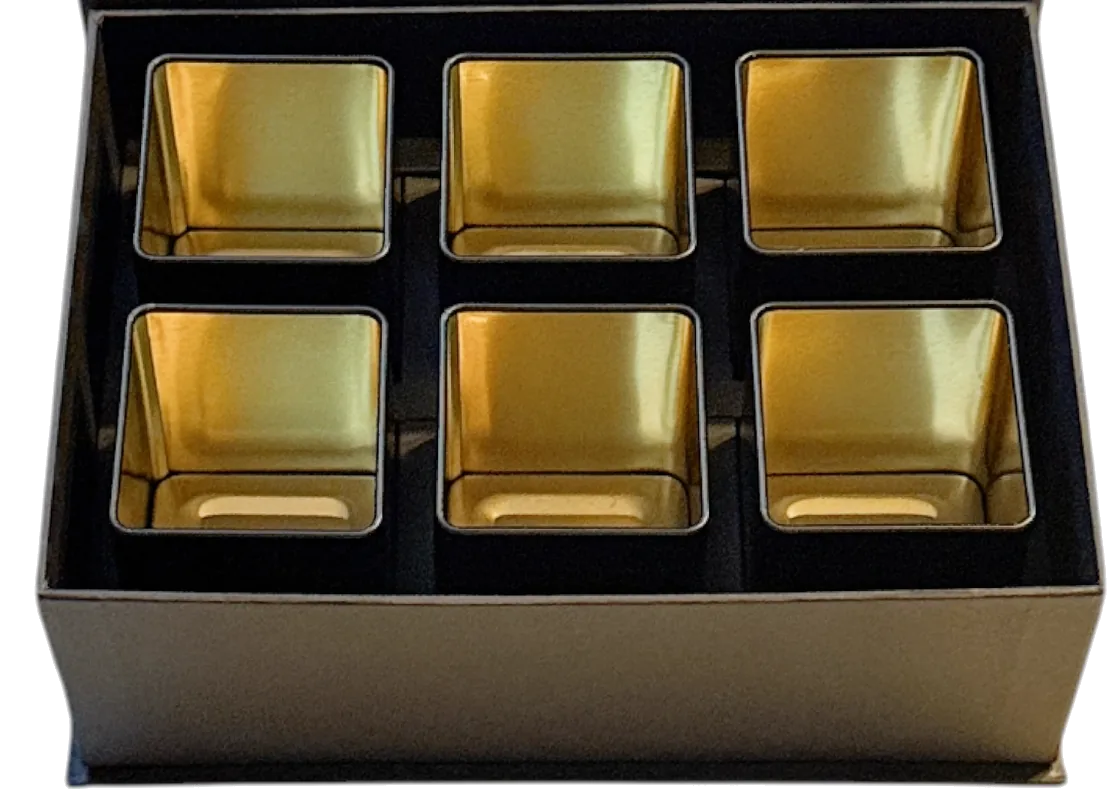
For several teas, the bespoke gift set brings together 4, 6, 9 or 12 closed metal tins, each filled with 50 g of loose leaf tea weighed to order. Our guide to putting together a tea gift set helps you choose the teas.
The sommelier's selection
Frequently asked questions
Is out-of-date tea dangerous?
Dry tea past its date is generally not dangerous: it carries a minimum durability date, “best before”, not a use-by date. After this date, it may have lost some of its fragrance, without posing any risk as long as the packaging is intact. The only reason to throw it away is a sign of damp: a musty smell, leaves stuck together or spots.
What should you do with tea that is a year or more out of date?
Smell it, then brew a cup at your usual measure. If it still smells of tea and you enjoy the cup, it can be drunk, even with a more subtle fragrance. If it smells stale or musty, throw it away. From then on, keep your teas in an opaque tin suited to their quantity, such as the house's Boîte Noire Vide 50 g for small amounts.
How should loose leaf tea be stored once the packet is opened?
Transfer it to an opaque, tightly closing tin, preferably metal, then store it in a dry cupboard, away from spices and heat. Use a dry spoon and close it again straight away. The tins in the Esprit Céladon range, made of tinplate with a double lid, come in 100 g and 150 g.
Is tea in tea bags stored like loose leaf?
Yes, it fears the same things: air, light, damp, heat and odours. Keep the tea bags in their original box, tightly closed, or in a compartment box such as the Boîte à Thé Bois · 12 Compartiments, designed for sorting tea bags and blends, and store it in a dry cupboard, away from spices.
To go further
Sources
- Use-by date (DLC) and best-before date (DDM): what you need to know
- DDPP des Hauts-de-Seine: Use-by date and best-before date
- Su et al., Effects of Different Storage Conditions on Shelf Quality of Flat Green Tea, Shipin gongye keji, 2022 (AGRIS record, FAO)
- Friedman et al., Stability of Green Tea Catechins in Commercial Tea Leaves during Storage for 6 Months, Journal of Food Science, 2009 (AGRIS record, FAO)
How we write our guides
Our guides are prepared by La Boutique du Thé, Mariage Frères stockist in Bordeaux and Nice since 1999, drawing on our product sheets, the experience of our shops and the sources cited. Each text is checked and approved by the team before publication. The teas and accessories featured are on sale at the time you read the page. The LBDT Sommelier · A question? Write to us
More guides from the house
- Tea accessories: the essentials, and the ones that bring pleasureWhich tea accessory to buy first: adjustable kettle, infuser, measuring spoon, tea timer, caddy. The role of each and the pleasure items to add.Read the guide →
- Choosing your teapot, and the kettle to go with itJapanese cast iron, porcelain, glass, clay: which teapot for which tea, what capacity, care, and why a temperature-controlled kettle matters just as much.Read the guide →
- Glass teapots: which to choose, how to use and care for themGlass teapots: microfilter, strainer or tea strainer, our 5 models compared, the teas that suit them, heat, warmers and caring for the glass.Read the guide →