
Darjeeling: the guide to the Grands Crus of the Himalayas

By the LBDT Sommelier · published on · 4 min read
Reviewed and approved by the La Boutique du Thé team
In the foothills of the Indian Himalayas, Darjeeling holds a special place among black teas. Harvested in high-altitude gardens with a demanding climate, it changes character from one season to the next, from the spring first flush to the summer second flush. This guide helps you understand what makes its reputation, distinguish the harvests and prepare a Grand Cru to perfection.
What is Darjeeling tea?
Darjeeling is a black tea, made by oxidising the leaves, grown in the district of the same name in northern West Bengal, in the foothills of the Indian Himalayas. The gardens rise in tiers between 600 and over 2,000 metres in altitude, in a landscape of steep slopes often shrouded in mist. Cool nights and high-altitude sunshine slow the growth of the tea plant: the leaves, fewer in number, concentrate their aromas. It is this slowness that gives Darjeeling its characteristic finesse, a clear, fragrant liquor, far from the robust black teas of Assam or Ceylon.
The name is protected: only teas from the district's registered gardens may bear the name Darjeeling. It was the first geographical indication registered by India, and is also recognised by the European Union. Production remains modest on a national scale, which partly explains the value of the finest lots. Custom has earned it the nickname “the champagne of teas”: the expression is in no way official, but it captures the rank connoisseurs grant it.
First flush and second flush: what is the difference?
The first flush is the spring harvest, picked from late February to April, after the tea plant's winter rest. Its oxidation is kept light: the leaves retain green glints and the cup, a very pale gold, develops lively, vegetal and floral notes, sometimes with a hint of fresh almond. It is a taut, almost nervy tea, best enjoyed within the year to appreciate its brilliance.
The second flush, harvested in May and June, gives a more amber, rounder liquor. It is sought after for its so-called muscatel notes, recalling muscat grapes and ripe fruit. This character is partly attributed to bites from small leafhoppers on the young shoots, which trigger distinctive aromatic reactions in the leaf. The monsoon and then autumn harvests follow, more understated and rarely chosen for Grands Crus.
Garden, harvest, vintage: reading a Grand Cru label
A Darjeeling Grand Cru is almost always a garden tea, known in English as single estate: the leaves come from a single plantation, unblended. The garden's name, Castleton or Margaret's Hope for example, works like that of a wine estate and carries a reputation built over decades. Each lot is also numbered in order of picking, so two teas from the same garden and the same season can differ noticeably.
The notion of vintage completes the picture. The year's weather, the pattern of rainfall and the spring sunshine mark each harvest: a 2026 first flush is not identical to that of 2025. This is the connoisseur's pleasure, following favourite gardens from year to year as one follows a wine estate.
How to prepare Darjeeling?
Allow 2 grams of leaves per 200 ml of water, preferably low in minerals. For a first flush, water at 85 or 90°C preserves the freshness of the vegetal notes; a second flush takes water at around 90°C. Steep for 3 minutes, no longer: beyond that, astringency overpowers finesse.
A Grand Cru is drunk without additions. Milk, acceptable in a robust morning black tea, would overwhelm the nuances of a fine Darjeeling; sugar would mask them just as much. Serve it in fine porcelain, which shows off the colour of the liquor, and taste it at a quiet moment: these teas reward the attention you give them.
Where to begin with Grands Crus?
If you are new to Darjeeling, the second flush is a welcoming starting point: its roundness and fruity notes appeal straight away, whereas the tension of a first flush calls for a somewhat practised palate. Then comes the art of comparison: two gardens from the same harvest, or two harvests from the same garden, tasted side by side, teach more than lengthy reading.
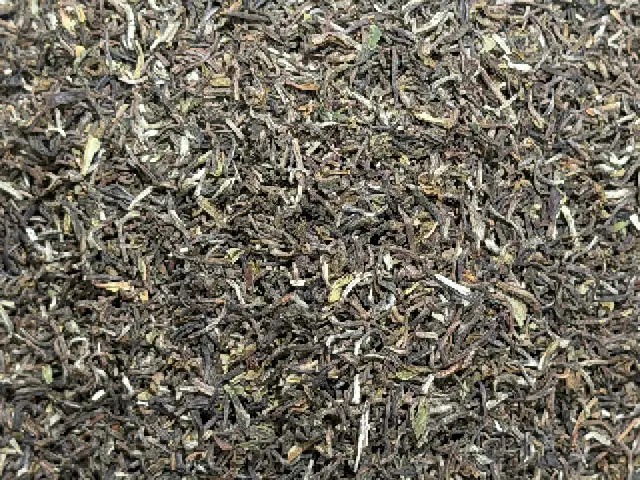
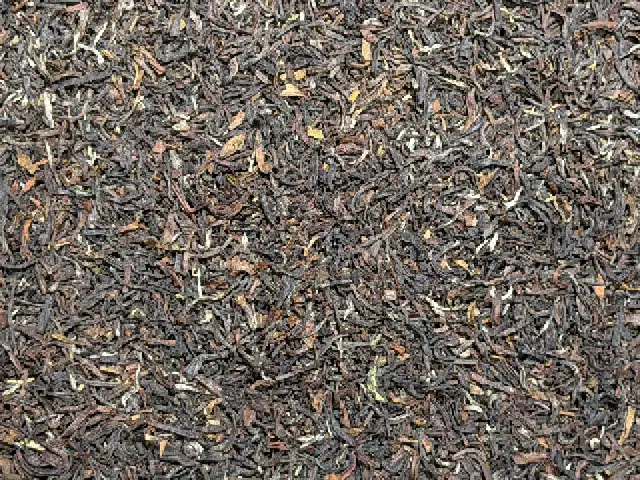
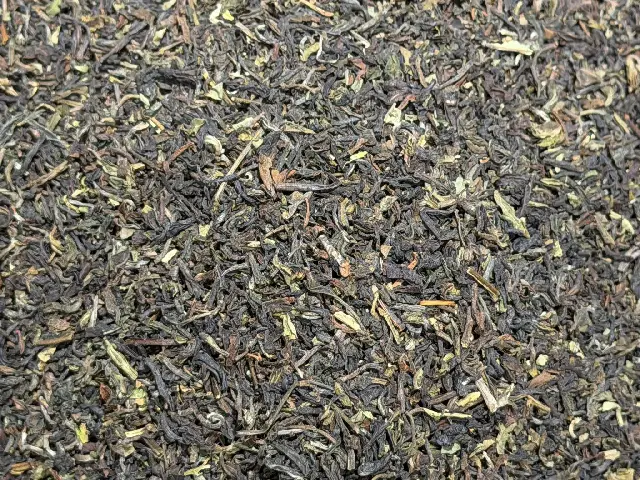
Since 1999, La Boutique du Thé, in Bordeaux and Nice, has been an official Mariage Frères stockist, selecting Darjeelings from renowned gardens harvest after harvest. Our sommelier suggests three starting points: a first flush, the spring harvest, such as Margaret's Hope; a summer harvest, such as Happy Valley; and Darjeeling Master, a blend of spring, summer and autumn harvests, to discover the Darjeeling style as a whole. Our selection of Grands Crus changes with new arrivals; in our shops and online, we will gladly guide you to the lot that suits your taste and budget.
The sommelier's selection

Frequently asked questions
Why is Darjeeling nicknamed the champagne of teas?
The nickname comes from usage, not from an official title. It reflects the rarity of darjeeling, its protected designation and the finesse of its liquor, which have placed it at the top of the hierarchy of black teas. Above all, the expression invites you to savour it like a fine wine: plain, and with attention.
Should you add milk to Darjeeling tea?
No, not in a grand cru. Milk suits robust breakfast black teas, but it would mask the floral notes of a first flush as well as the muscatel nuances of a second flush. A single-estate darjeeling is drunk plain, perhaps with a lightly sweetened pastry.
Is Darjeeling high in caffeine?
Theine and caffeine are one and the same molecule, and a cup of tea contains less than a cup of coffee. Darjeeling provides a moderate amount, making it a tea for the morning or afternoon. For the evening, turn instead to a rooibos, naturally caffeine-free.
How should you store a first flush Darjeeling?
In an airtight, opaque tin, away from light, moisture and cooking smells. First flush is a tea to enjoy fresh: it is best drunk within the year following the harvest, while its vegetal notes are at their peak.
To go further
More guides from the house
- Tea-producing countries: where tea grows and what each origin brings to the cupTea-producing countries, from China to Rwanda: where the tea plant grows, what makes a terroir and the style of 12 origins, each with a tea to taste.Read the guide →
- Tea jelly: how to serve it, from breakfast to a festive mealTea jelly: what sets it apart from a jam, our Mariage Frères jellies compared and how to serve them, from scones to matured cheeses.Read the guide →
- Ceylon tea: the seven regions, the two monsoons and our gardensCeylon tea comes from Sri Lanka: its seven regions, the seasons dictated by the monsoons, and our Uva and Ratnapura teas with their brewing settings.Read the guide →