
Green tea
153 results
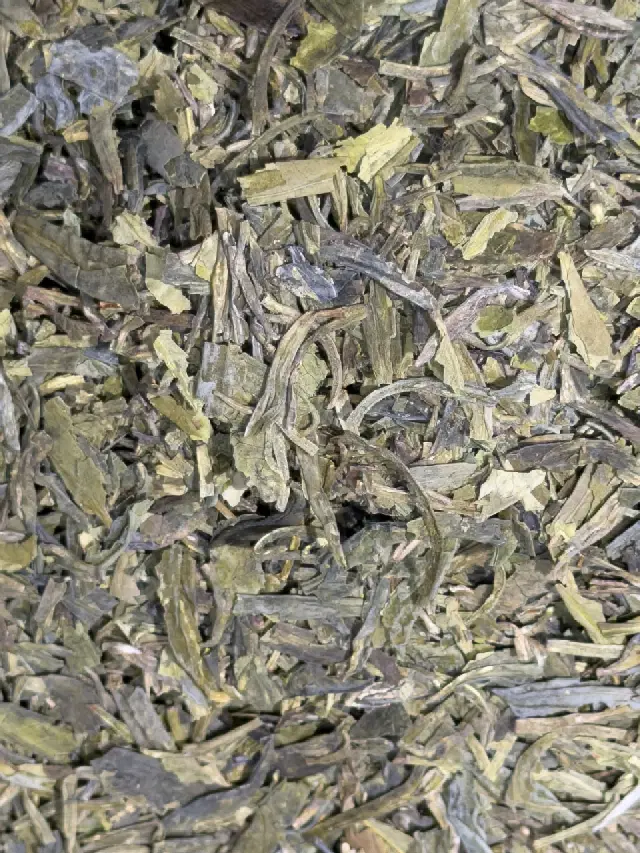
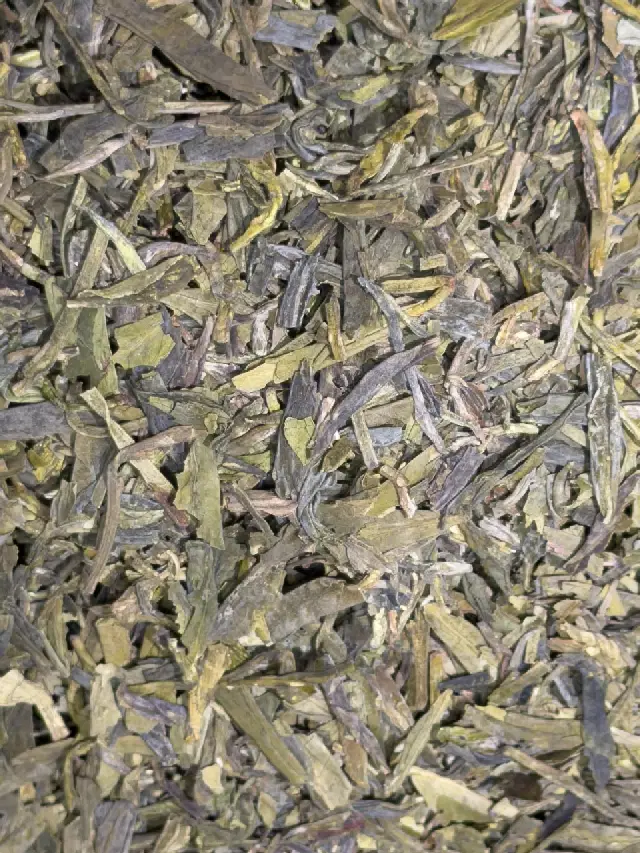

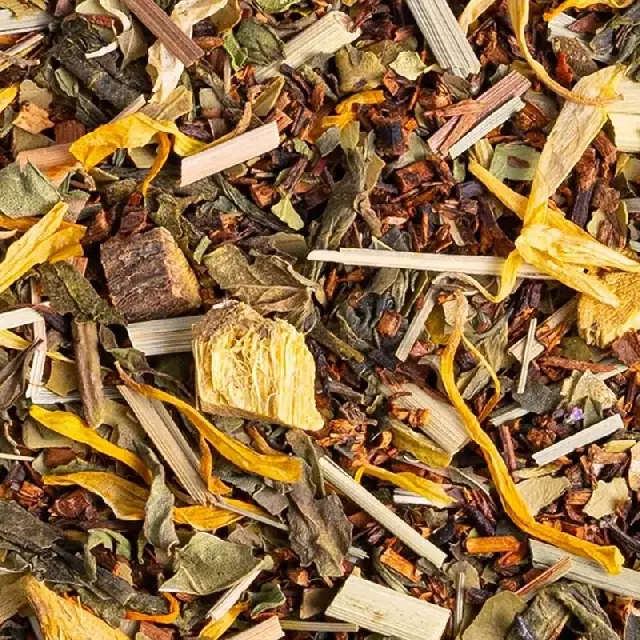


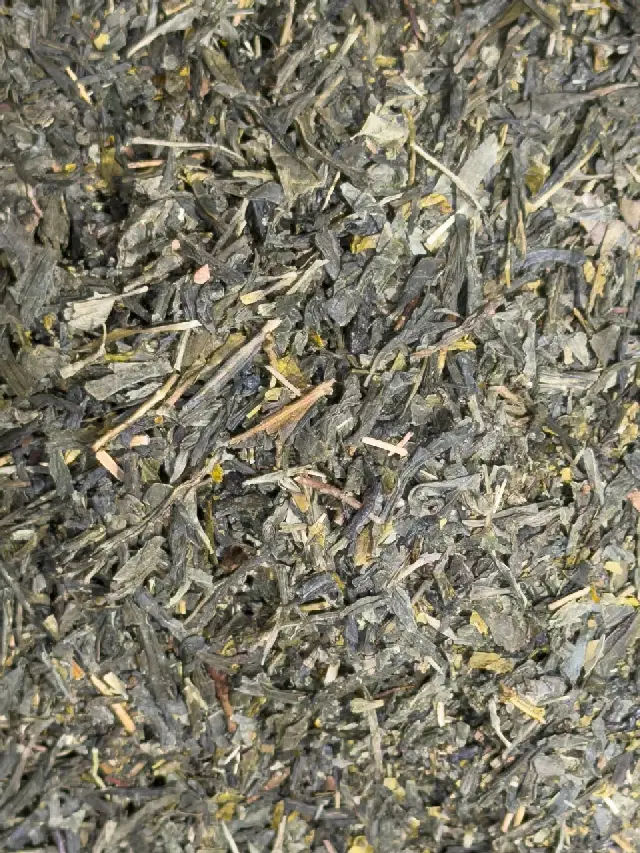
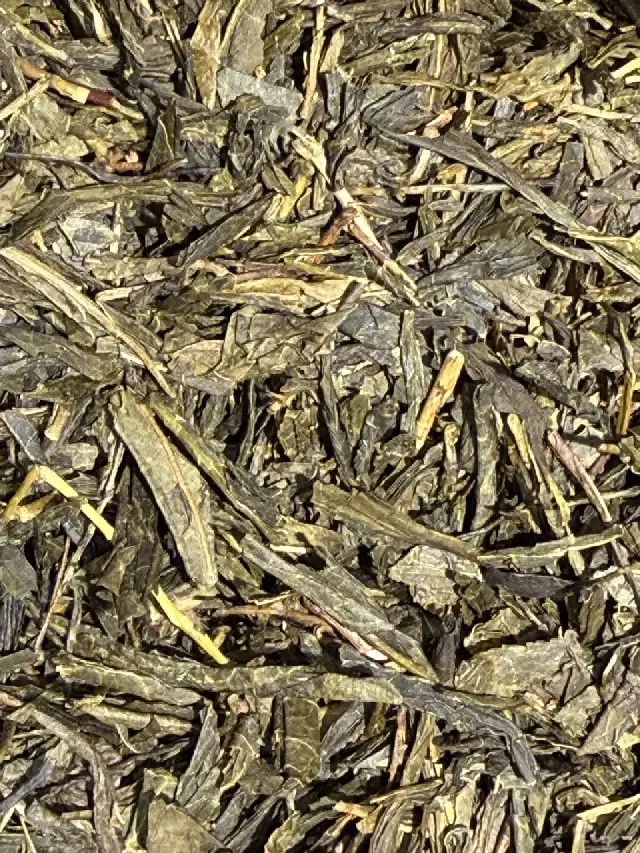
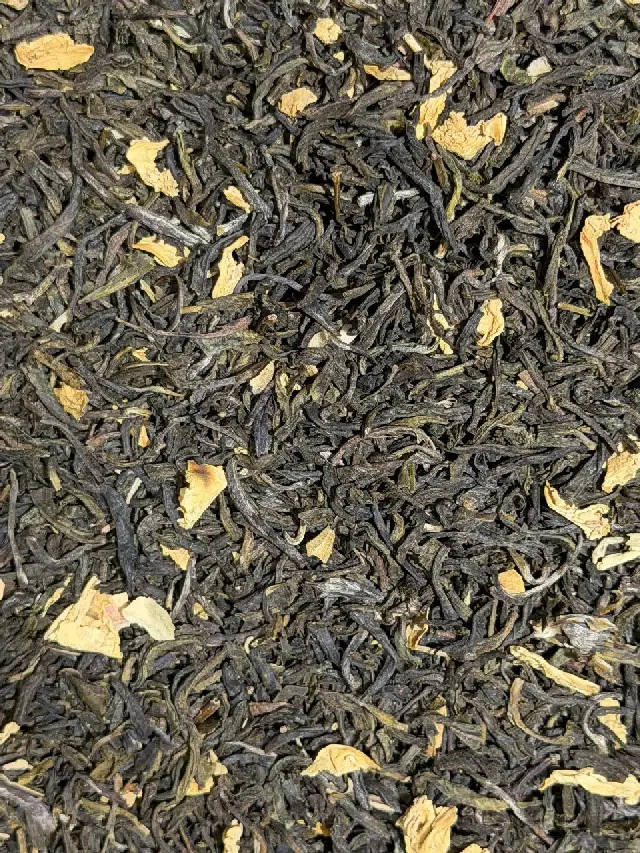
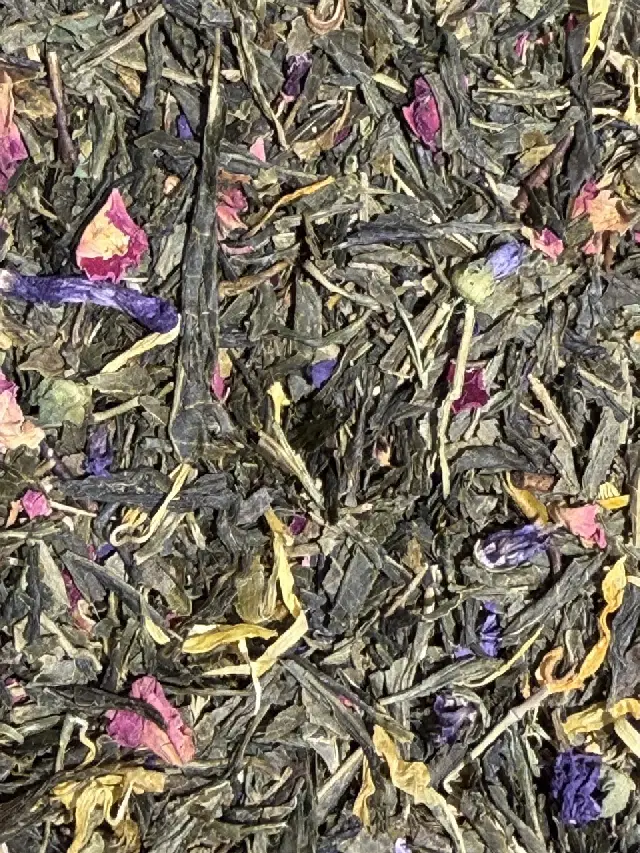



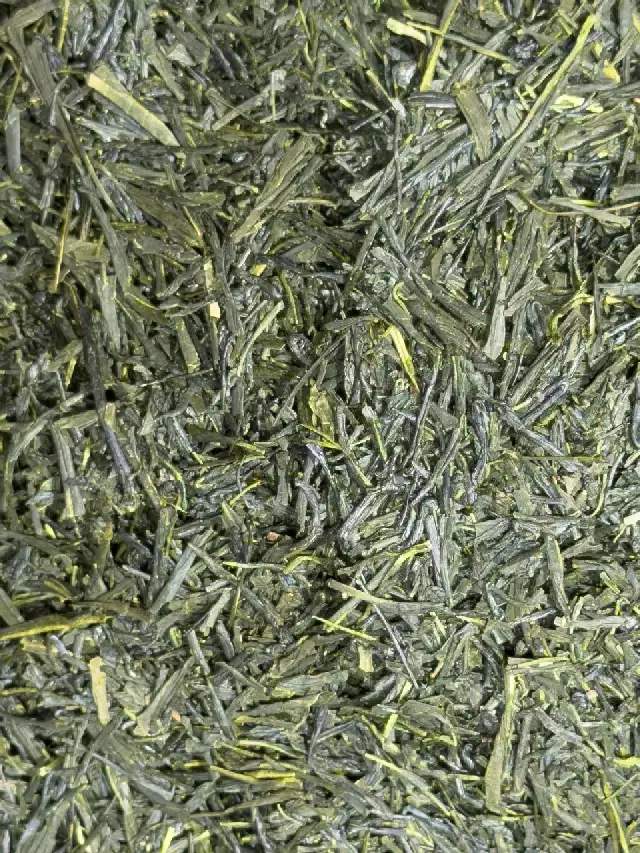
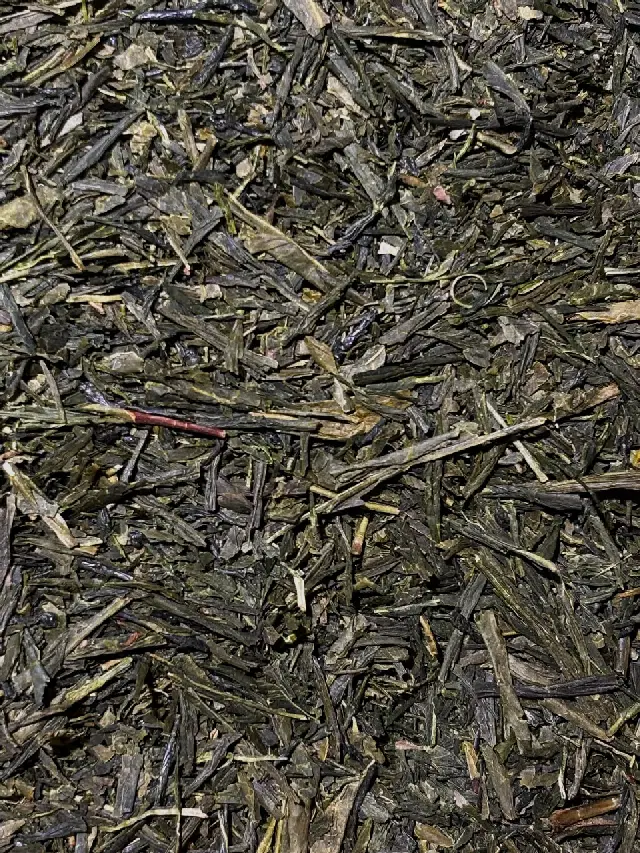
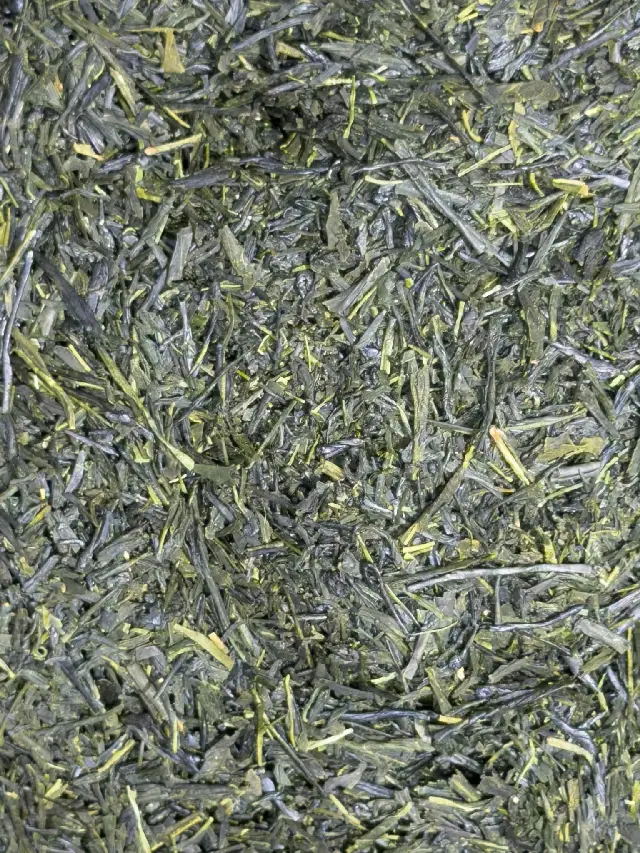
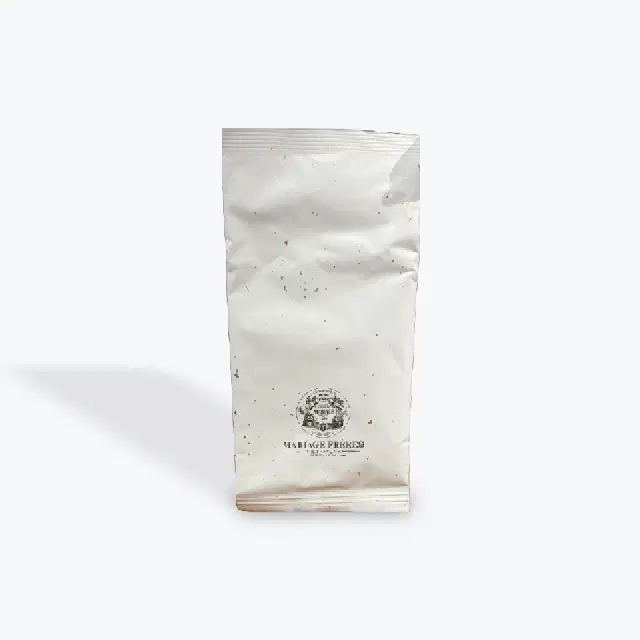
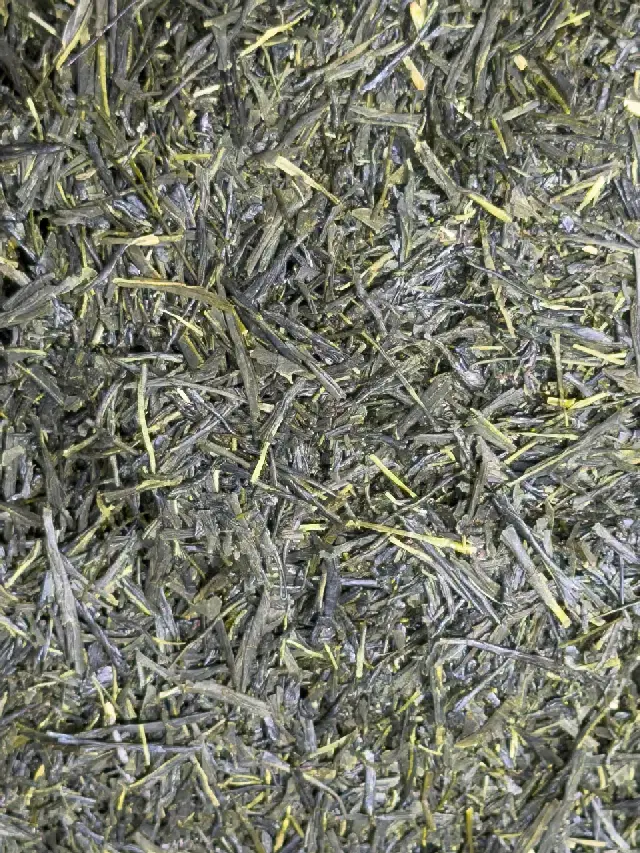


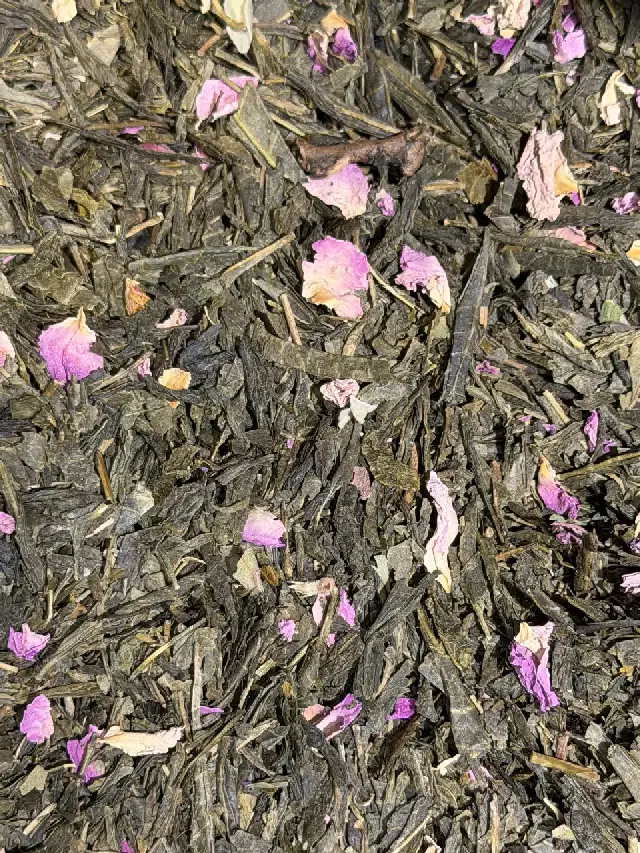
Green teas
Green tea
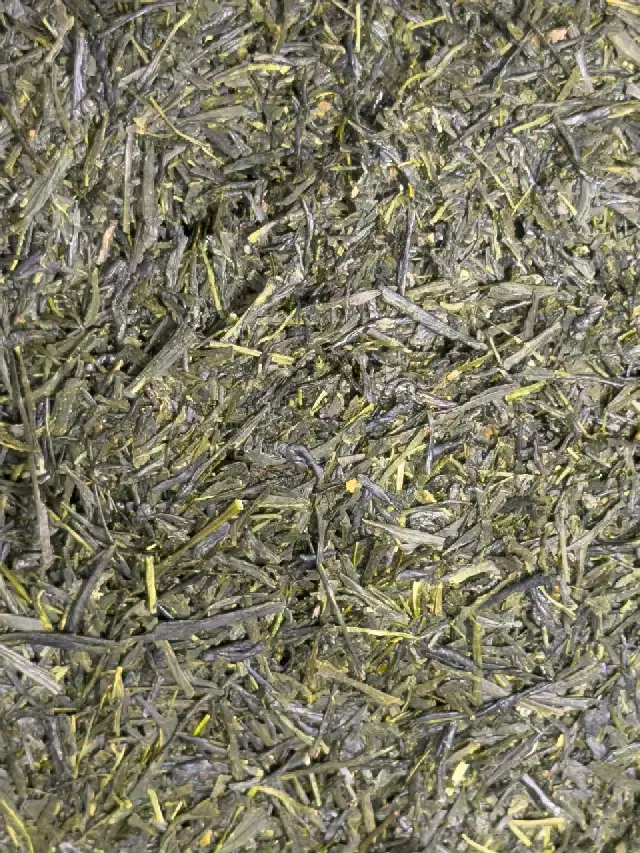
Green tea is an unoxidised tea: straight after picking, the Camellia sinensis leaves are heated (steam in Japan, wok in China) to fix their green colour and preserve their fresh vegetal character. It is distinguished from black or oolong teas by its herbaceous, iodine or fruity profile, its gentle bitterness when well infused, and a moderate caffeine content.

Reviewed and approved by the La Boutique du Thé team
What is green tea?
Green tea comes from the same plant as all other teas, Camellia sinensis. Its distinctiveness lies in its production: the leaf is not oxidised. To halt oxidation, heat is applied within hours of picking. Two schools shape two distinct tastes: steaming, specific to Japan, which gives green, iodine-rich liquors; and wok firing (the Chinese process “sha qing”), with grilled notes of chestnut and flowers.
The main varieties
From Japan: sencha (the everyday tea, fresh and herbaceous), gyokuro grown in shade (deep umami), matcha (leaf ground to a powder and whisked), genmaicha with puffed rice. From China: Long Jing (“Well of the Dragon”) with chestnut notes, Gunpowder rolled into pearls. At Mariage Frères, references such as Thé sur le Nil®, Marco Polo Rouge or the plain senchas illustrate the range of the genre.
How to prepare green tea
Green tea does not tolerate boiling water: above 80 °C, it releases its bitterness.
- Water: low in minerals, never reboiled.
- Water temperature: 70 to 80 °C (50-60 °C for a gyokuro).
- Measure: 2 g per 200 ml (one rounded teaspoon).
- Steeping time: 1 to 3 minutes depending on the variety.
Storage
Green tea is the most fragile of teas: it dislikes light, humidity, heat and odours. Keep it in an airtight, opaque tin, away from spices and coffee. Consume within 6 to 12 months; opened matcha should be drunk within a few weeks.
| Variety | Origin | Temperature | Time | Flavour profile |
|---|---|---|---|---|
| Sencha | Japan | 70 °C | 1 min 30 | Herbaceous, iodine, bright |
| Gyokuro | Japan | 50-60 °C | 2 min | Deep umami, smooth |
| Matcha | Japan | 70-80 °C (whisked) | - | Creamy, vegetal, intense |
| Long Jing | China | 75-80 °C | 2-3 min | Chestnut, flowers, sweetness |
| Gunpowder | China | 80 °C | 2-3 min | Robust, thirst-quenching |
Frequently asked questions
At what temperature should green tea be steeped?
Between 70 and 80 °C for most green teas, and 50 to 60 °C for a delicate gyokuro. Boiling water “scorches” the leaves and makes the cup bitter. Without a temperature-controlled kettle, let boiled water rest for 2 to 3 minutes before pouring.
Does green tea contain caffeine (théine)?
Yes. Théine is the traditional name for the caffeine in tea. A green tea generally contains less than a coffee or a black tea, but the amount varies: a gyokuro or a matcha is more stimulating than a bancha. In the evening, prefer a caffeine-free herbal infusion.
How long should green tea be steeped?
From 1 to 3 minutes depending on the variety. Fine Japanese leaves (sencha, gyokuro) steep in 1 min 30 to 2 min; rolled Chinese greens (Gunpowder) withstand 2 to 3 minutes. If too long, the tea becomes bitter.
Which green tea should I choose to start with?
A plain Japanese sencha or a green tea flavoured with citrus and mint: gentle, not bitter and easy to get right. Chinese Long Jing, with its chestnut notes, also appeals to palates that are discovering tea.
To go further
- The guide to Japanese green teas
- Sencha : huit crus japonais comparés, d'Uji à Yame
- Thé jasmin : comment les fleurs parfument la feuille, et lequel choisir
- Thé haut de gamme : ce qui fait un grand thé, et comment le reconnaître
- Japanese teas: sencha, gyokuro, matcha
- Chinese green teas: Long Jing and Gunpowder
- Green teas with floral notes
- Which tea to drink in the morning?
- Loose leaf green tea
- All our teas by type