
Floral teas
231 results

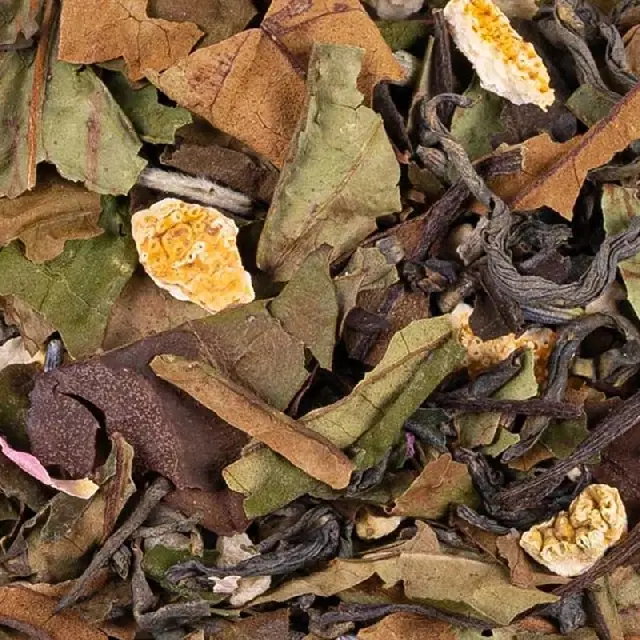


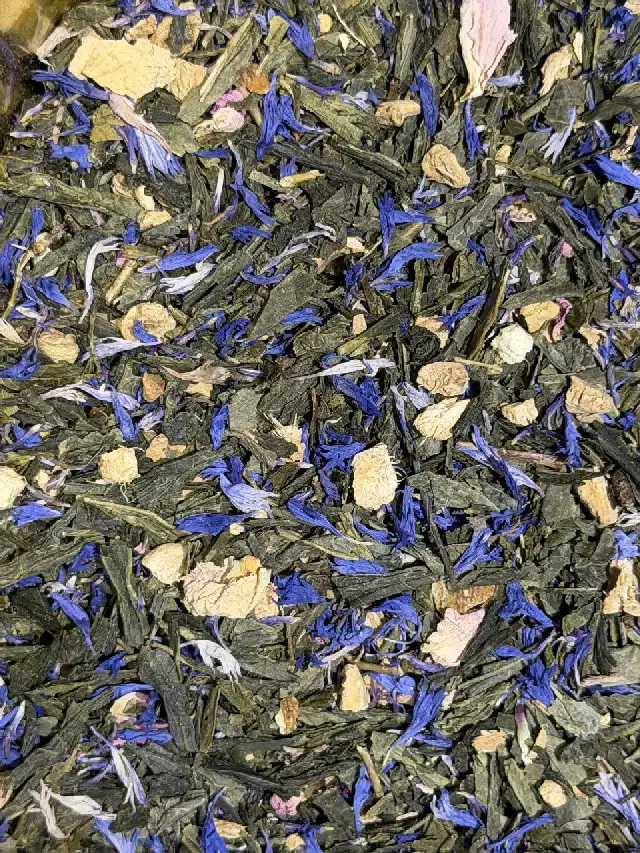

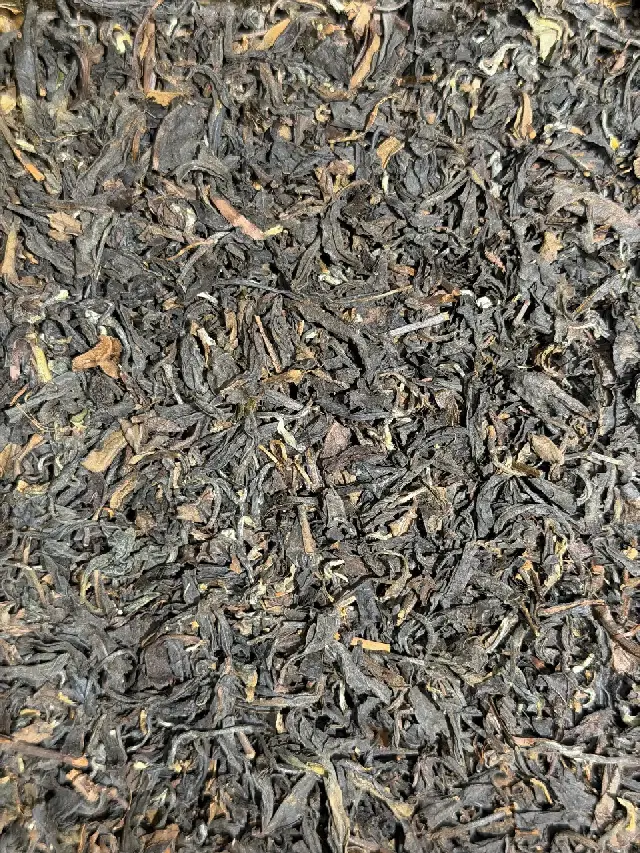
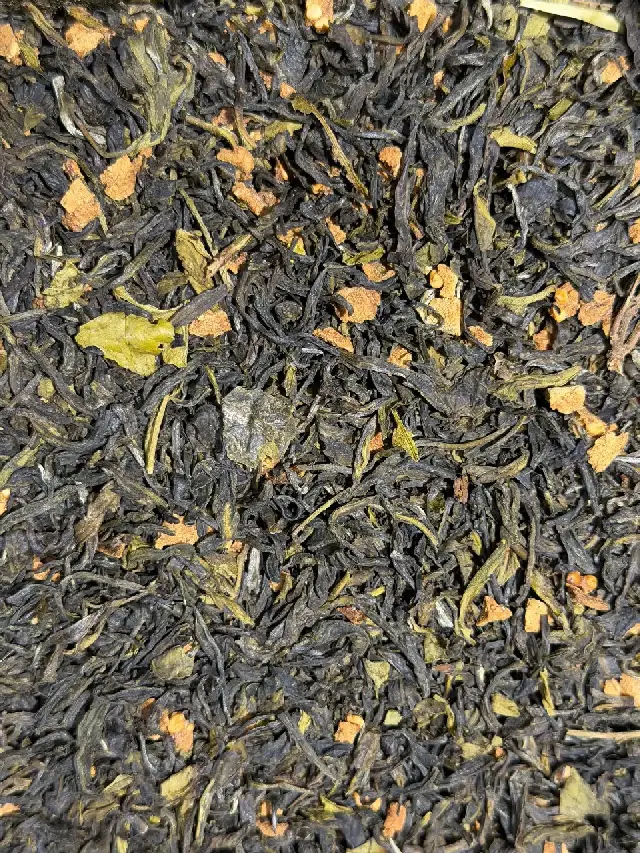

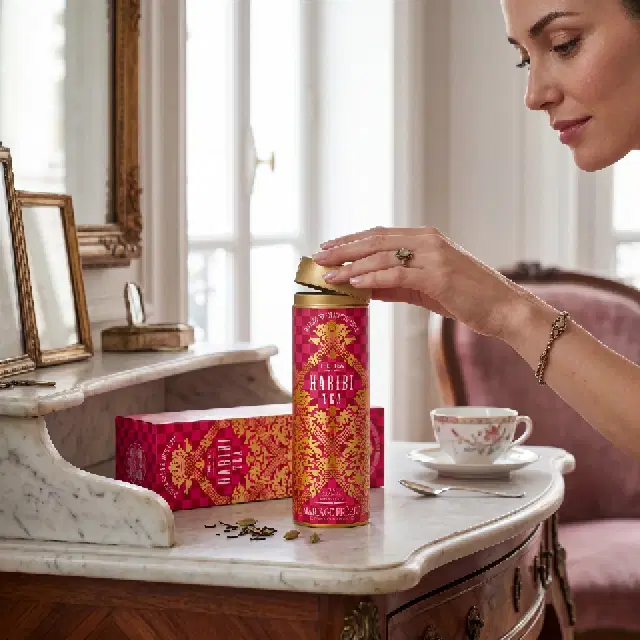
Floral
Floral teas
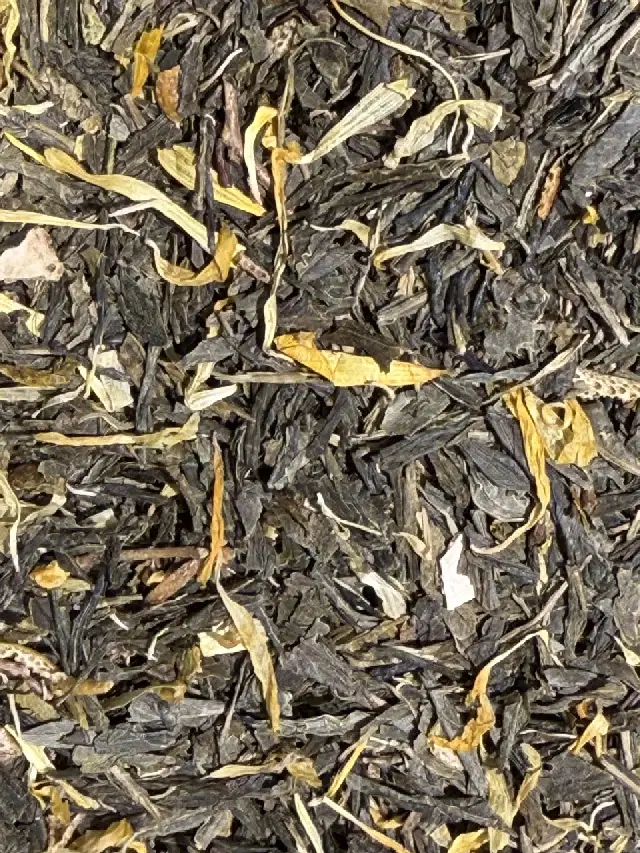
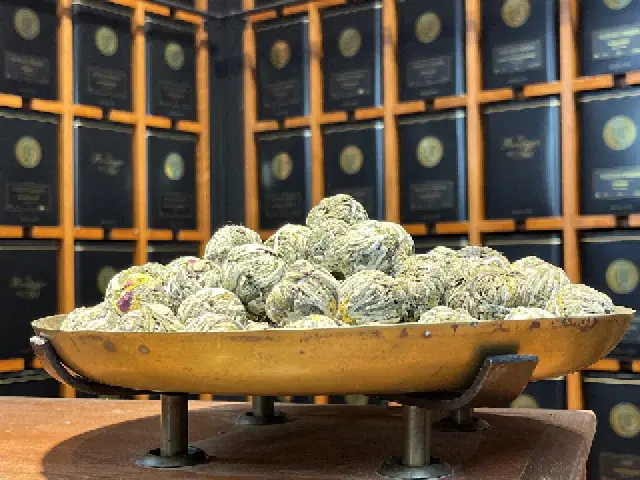
A floral tea is a tea whose scent is dominated by floral notes: jasmine, rose, osmanthus, orange blossom or chrysanthemum. These teas, often made from green or white bases, appeal through their elegance and subtlety, whereas fruity teas bring roundness and spiced teas warmth.

Reviewed and approved by the La Boutique du Thé team
Definition of floral tea
The floral character can arise in two ways. Either through scenting, a traditional Chinese method in which tea leaves rest in contact with fresh flowers, such as jasmine, to absorb their perfume. Or through the addition of petals or floral flavourings to the leaf. The result is a delicate, fragrant cup in which the flower unfolds without masking the leaf.
Our selection of floral teas
Jasmine remains the reference: on green tea, it gives a soft, fragrant cup, emblematic of China. Rose, more opulent, pairs equally well with green or black tea. Osmanthus brings notes of apricot and golden flower, while orange blossom adds a Mediterranean touch. A white tea such as Aiguilles d'Argent naturally carries fine floral notes, and a green tea from China forms the ideal base for a successful jasmine.
- Jasmine: the floral signature par excellence, on green tea.
- Rose: opulent, on green or black tea.
- Osmanthus: golden flower, notes of apricot and flower.
- Orange blossom: sweet and luminous.
Preparation
Floral teas are fragile: water that is too hot crushes the perfume. For a jasmine or floral green tea, steep 2 g per 200 ml at 70 to 80 °C for 2 to 3 minutes. For a floral white tea, allow 80 to 85 °C for 4 to 5 minutes. An over-long infusion brings out bitterness at the expense of the flower.
Storage
Floral aromas are volatile and fade quickly. Keep your tea in an airtight container, away from light and humidity, and consume it preferably within six to twelve months. Avoid storing it near strongly scented foods, which would alter its delicacy.
Pairings
A jasmine tea accompanies Asian cuisine, dim sum or a lightly sweetened dessert with finesse. Rose goes well with Eastern pastries, loukoums and shortbread biscuits. Osmanthus, with its apricot notes, works wonderfully with a yellow fruit tart or a financier.
| Tea | Water temperature | Steeping time | Measure (per 200 ml) |
|---|---|---|---|
| Green tea with jasmine | 70 to 80 °C | 2 to 3 min | 2 g |
| Rose tea | 80 to 85 °C | 3 min | 2.5 g |
| Floral white tea | 80 to 85 °C | 4 to 5 min | 3 g |
Frequently asked questions
Why does my jasmine tea become bitter?
Most often because of water that is too hot or an infusion that is too long. Jasmine is worked on a green tea base, which is fragile: stay between 70 and 80 °C and do not exceed 3 minutes. Beyond that, the tea's tannins take over and mask the delicacy of the flower.
What is the difference between a jasmine tea scented by enfleurage and an aromatised tea?
Enfleurage is a traditional method in which the tea rests in contact with fresh jasmine flowers, sometimes for several nights, to absorb their perfume naturally. An aromatised tea receives added flavourings or petals. Enfleurage gives a finer, more integrated cup, in which flower and leaf become one.
Are floral teas suitable for beginners?
Yes, especially jasmine, whose fragrant softness is very approachable. Rose or osmanthus profiles, a little more pronounced, also appeal to those discovering scented tea. Start with a short infusion to get used to the floral intensity before adjusting to your taste.
To go further