
Fruit tea: fruity tea or fruit infusion, how to choose

By the LBDT Sommelier · published on · 9 min read
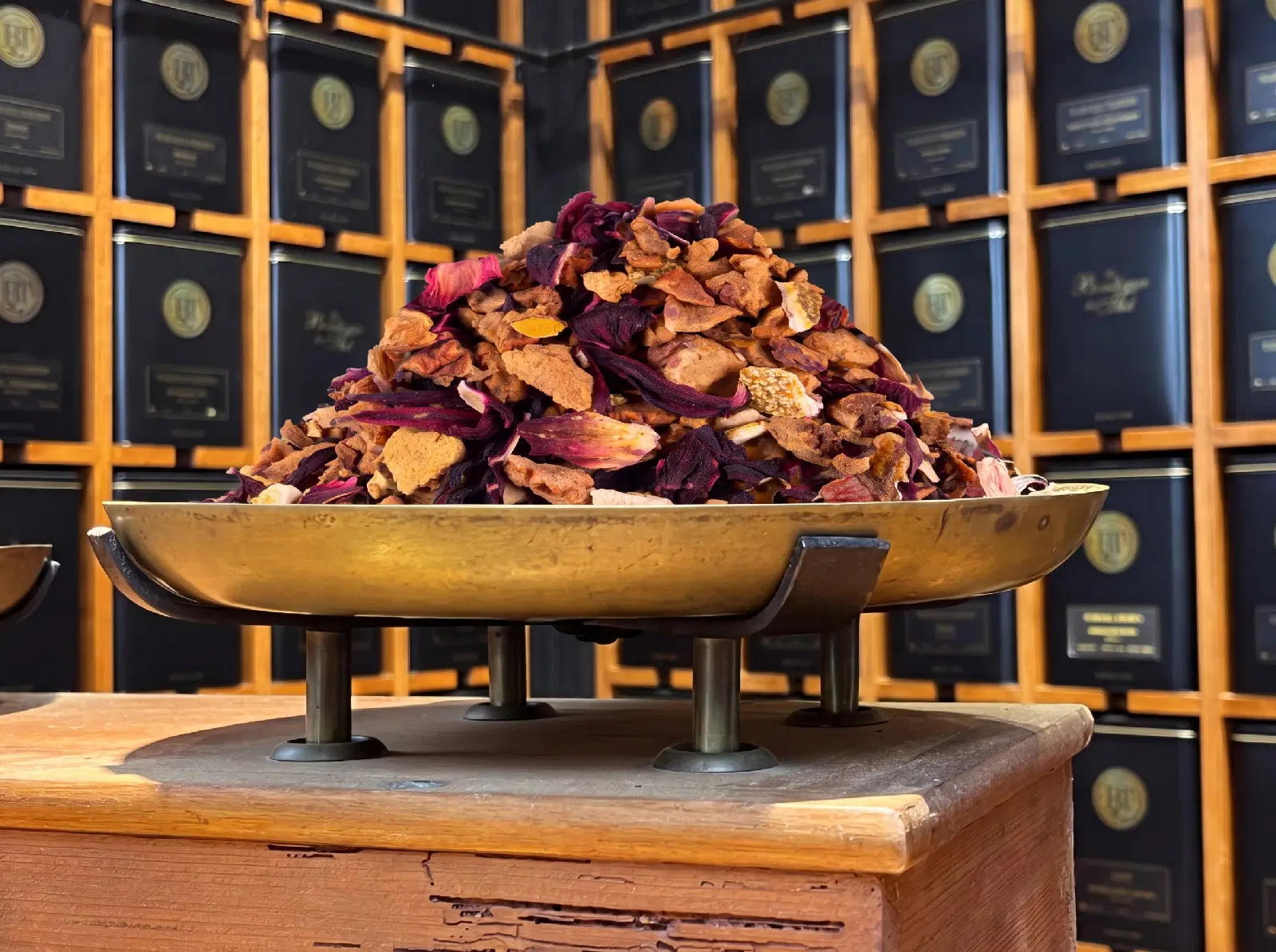
A fruit tea is a black, green or white tea scented with fruit or a fruit flavouring: it therefore contains caffeine, unlike a fruit infusion, made of apple, hibiscus and dried fruit, without a single tea leaf. Here is how to tell them apart from the ingredients, which fruit to choose on which base, how to prepare each one, hot or iced, and our selection.
Fruit tea or fruit infusion: what is the difference?
The difference lies in the leaf: a fruit tea is a black, green or white tea to which pieces of fruit or a fruit flavouring have been added, whereas a fruit infusion contains no leaf from the tea plant. It is this leaf that brings the caffeine. The product pages of the fruit teas featured here state it as low or moderate; those of the fruit infusions describe them as caffeine-free.
The consumer association Test-Achats notes that plant or fruit infusions are often wrongly called “tea”. The names add to the confusion: Mariage Frères' Marco Polo · Fruit Tea bears the English word “tea”, but its ingredients begin with hibiscus and apple, without a single tea leaf, and its product page lists it as caffeine-free. It is a fruit infusion, inspired by the scent of Marco Polo.
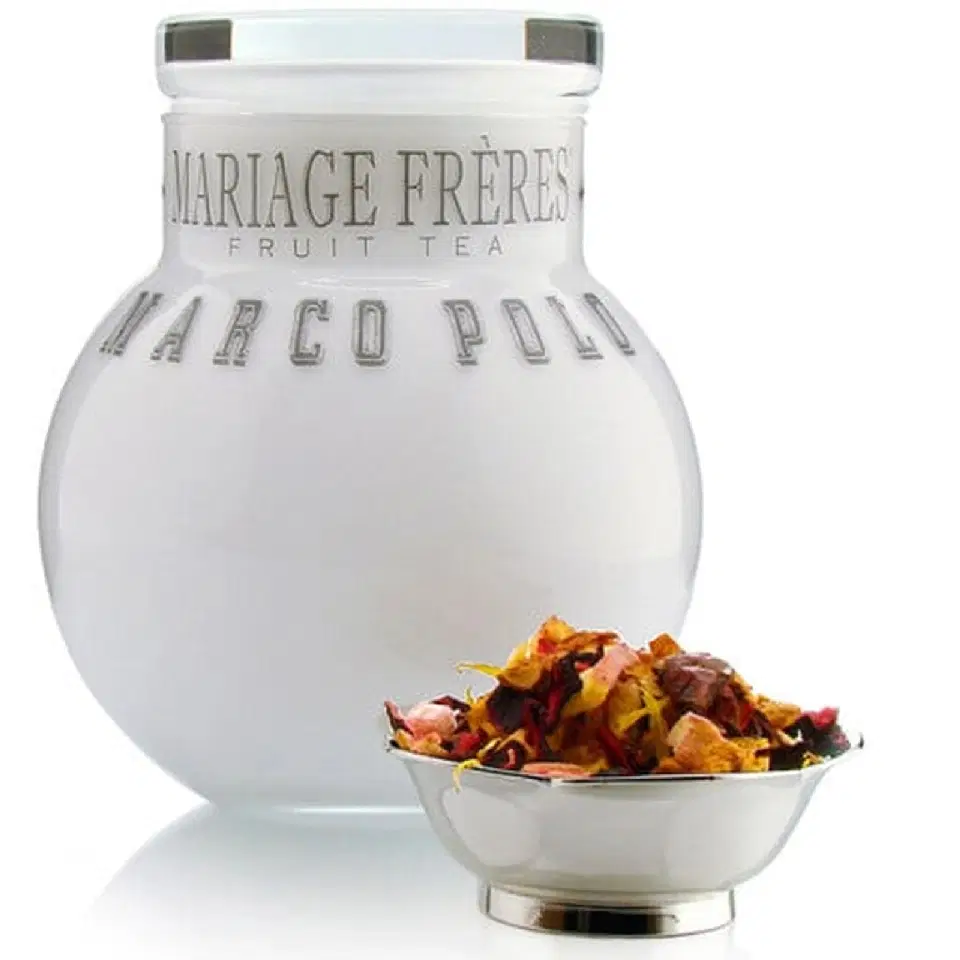
On our website, these infusions have their own range, fruity infusions and karkadeh, which bring together dried fruit and hibiscus calyces. For the boundary between tea, tisane and infusion in general, our guide to the difference between tisane and infusion sets out the definitions. Here we stick to fruit: how to recognise them, which to choose, and how to prepare them.
How do you recognise a fruit tea on the label?
Read the beginning of the ingredients list. The European regulation on food information to consumers requires ingredients to be listed in descending order of weight: the first is therefore the most present. “Tea”, “green tea” or “tea (Darjeeling)” at the top indicate a fruit tea; “apple”, “hibiscus” or “rooibos” at the top announce a drink without tea leaves, and therefore without caffeine.
The rest of the list tells you where the taste of the fruit comes from. Yuzu Bouquet contains only green tea and Japanese yuzu, with no flavouring. Himalayan Peach tea owes its peach to a flavouring. Lulo de Colombia tea combines both: naranjilla, mango, pineapple and a flavouring. The table below sets out the ingredients, caffeine and settings as given on their product pages.
| Product | Family | Start of the ingredients list | Caffeine | Preparation |
|---|---|---|---|---|
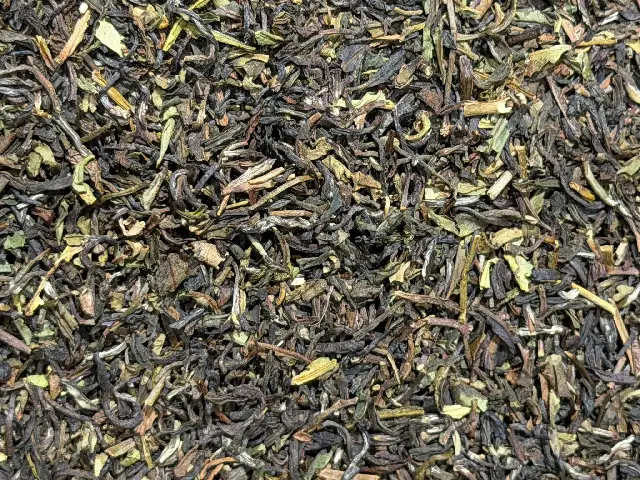
| Himalayan Peach | Black tea (Darjeeling) | Tea (Darjeeling), peach flavouring | Moderate | 2.5 g per 200 ml, 95 °C, 5 minutes |
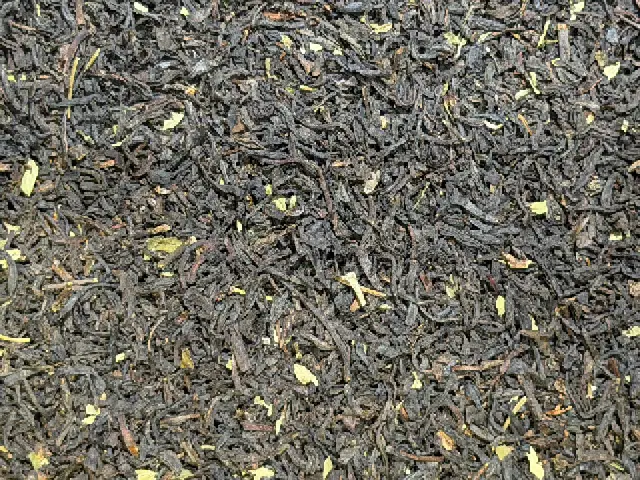
| Fruits Rouges | Black tea | Tea, strawberry leaves, flavouring | Moderate | 2.5 g per 200 ml, 95 °C, 5 minutes |
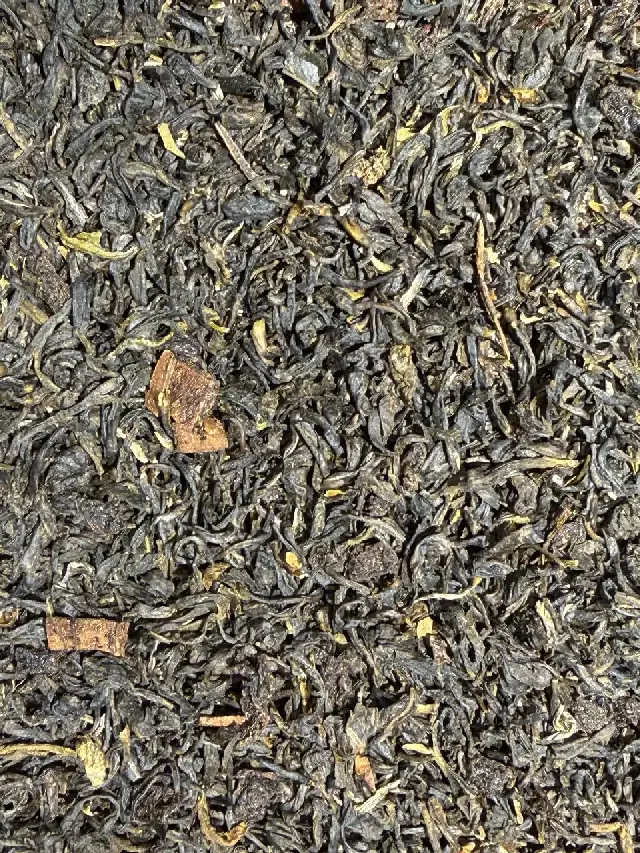
| Pêche d'Amour | Green tea | Green tea, peach flavouring | Low | 2.5 g per 200 ml, 95 °C, 3 minutes |
| Lulo de Colombia | Green tea | Green tea, naranjilla (lulo), mango, pineapple, flavouring | Low | 2.5 g per 200 ml, 95 °C, 3 minutes |
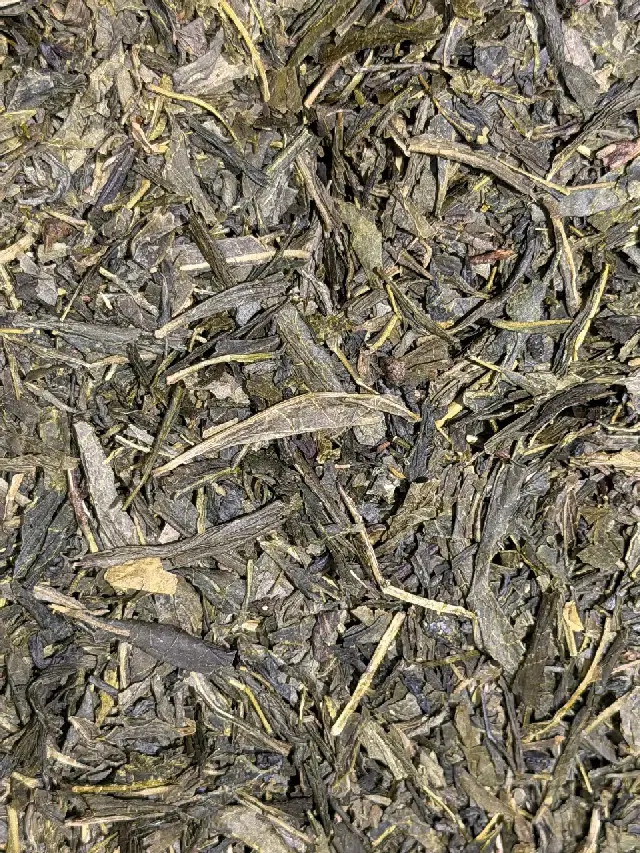
| Yuzu Bouquet | Green tea (kukicha) | Green tea, Japanese yuzu | Low | 5 g per 200 ml, 85 °C, 3 minutes |
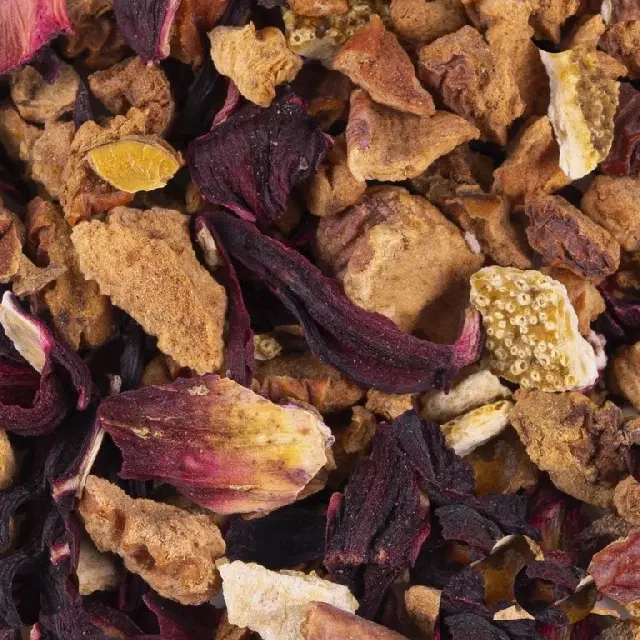
| Verger Nature aux Trois Fruits Bio | Fruit infusion | Apple, hibiscus, orange peel | Caffeine-free | 15 to 20 g per litre, 100 °C, 10 to 12 minutes |
| Tribu Fruitée Orange Exotique Bio | Fruit infusion | Apple, hibiscus, rosehip, lemon balm, orange peel | Caffeine-free | 15 to 20 g per litre, 100 °C, 10 to 12 minutes |
| Rooibos Baies Noires & Cassis Bio | Fruity rooibos | Rooibos, elderberry, natural blackcurrant flavouring | Caffeine-free | 15 to 20 g per litre, 100 °C, 7 to 10 minutes |
| Fleurs d'Hibiscus Karkadé Bio | Single flower | Hibiscus | Caffeine-free | 13 to 18 g per litre, 100 °C, 5 to 10 minutes |
Two sets of settings stand out. Fruit teas are prepared like their base: water at 95 °C and 3 to 5 minutes. The fruit infusions, the rooibos and the hibiscus in the table need boiling water, at 100 °C, and 5 to 12 minutes. Yuzu Bouquet is a reminder that the product page comes before the rule: its kukicha needs water at 85 °C and a double measure.
Fruit black tea or fruit green tea: which to choose?
Choose the base according to the body you are looking for: black tea carries the fruit with more roundness and structure, green tea makes it fresher and lighter. All tea families can be flavoured, but our fruit teas are mainly based on these two. The product pages all place them in the afternoon.
Red berry black tea
Mariage Frères' Fruits Rouges tea combines a black tea, strawberry leaves and a flavouring with notes of strawberry, raspberry, redcurrant and cherry. Its product page describes an amber, rounded liquor, kept from becoming syrupy by the supple tannins of the black tea. It is drunk plain or with a dash of milk, after 5 minutes' steeping at 95 °C.
Peach, on Darjeeling or on green tea
The same fruit changes character depending on the base. Himalayan Peach tea sets the peach on a Darjeeling: a pale liquor, fine tannins, a hint of muscatel, and moderate caffeine. Pêche d'Amour tea sets it on a low-caffeine green tea: the vegetal freshness of the green tea welcomes a juicy peach, and its product page limits steeping to 3 minutes to keep the freshness of the fruit. It recommends it to those who sometimes find green tea austere.
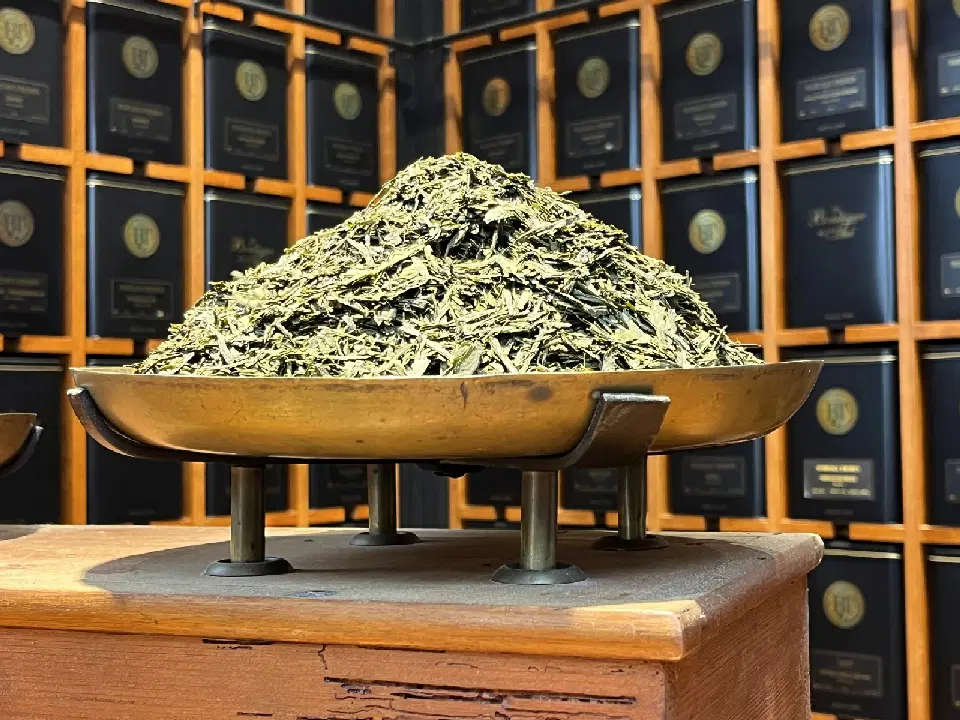
Exotic fruit on green tea
For a livelier fruit, Lulo de Colombia tea pairs a Colombian green tea with naranjilla, a tangy Andean fruit that its product page places somewhere between citrus and green tomato, rounded out by mango and pineapple. Guayaba de Colombia tea, on the same base, relies on guava, which is gentler. Both steep for 3 minutes at 95 °C. Our range of teas with a fruity taste brings them together with the others.
Fruit infusion: why are apple and hibiscus everywhere?
Because they complement each other: apple gives a soft, almost sweet impression, hibiscus brings tanginess and the red colour of the cup. The product page of Verger Nature aux Trois Fruits Bio shows this with just three ingredients, apple, hibiscus and orange peel, with no added flavouring: a ruby liquor, soft on the attack, lively afterwards, which the zest finishes on a slight bitterness.
The other recipes start from this foundation and add fruit to it. Tribu Fruitée Orange Exotique Bio adds rosehip, banana, mango and a touch of lemon balm; its product page recommends it at the end of the day, lukewarm or chilled. For red berries without caffeine, Récolte de Fruits Rouges Bio brings together strawberry, blackcurrant, blackberry and redcurrant on the same base of apple and hibiscus.
These pieces of dried fruit need time. The product pages of Verger Nature aux Trois Fruits Bio, Tribu Fruitée Orange Exotique Bio and Récolte de Fruits Rouges Bio all three specify 15 to 20 g per litre, water at 100 °C and 10 to 12 minutes, the time it takes for the apple to release its sweetness and the hibiscus to give its colour.
The taste of blackcurrant without caffeine: fruity rooibos
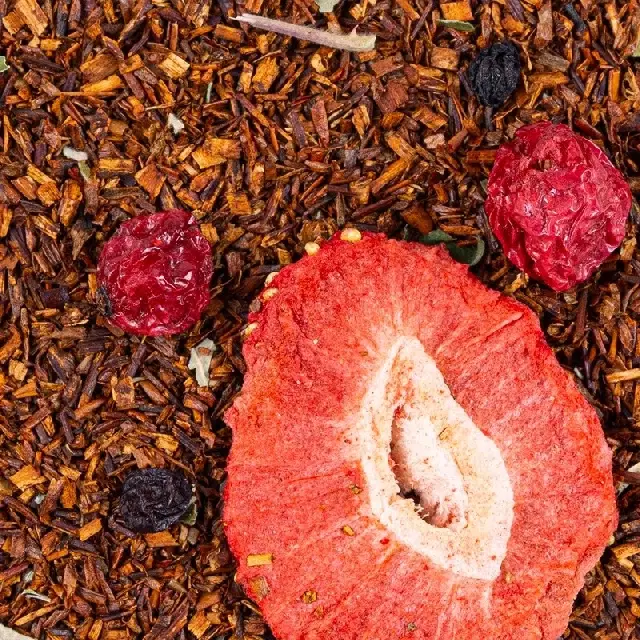
To enjoy blackcurrant or strawberry without caffeine, with the malty roundness of rooibos, choose a fruity rooibos. Rooibos Baies Noires & Cassis Bio combines rooibos with elderberry, blackcurrant, strawberry and redcurrant. Its product page describes a mahogany liquor, in which the malty roundness of the rooibos carries the dark, slightly tangy fruit.
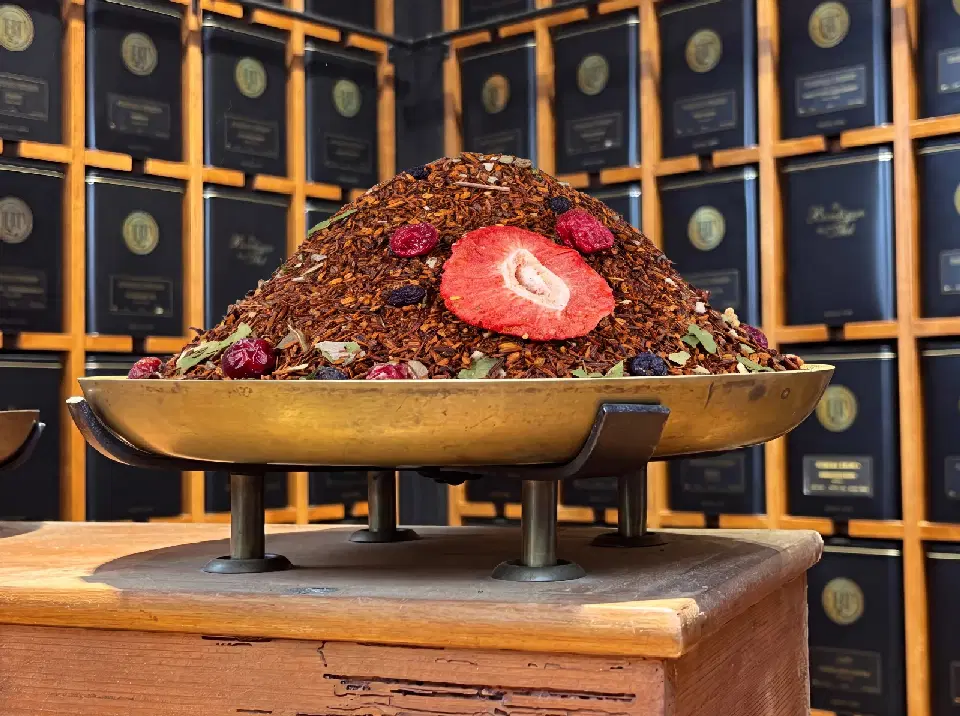
It is quicker to prepare than a fruit infusion, 7 to 10 minutes in water at 100 °C, and its product page suggests it plain or with a dash of milk. Rooibos Fraise Citron Acidulé Bio plays the livelier card of strawberry lifted with lemon. All our plain and scented rooibos are gathered in their range, and our rooibos guide explains where this plant comes from.
Hibiscus on its own: hot karkadé, iced bissap
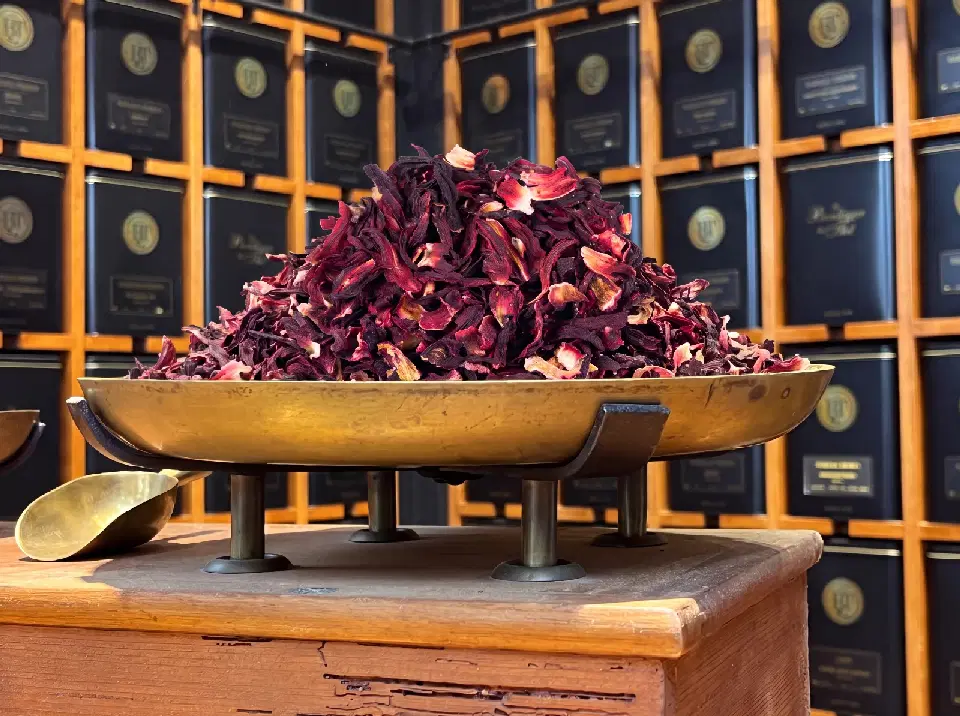
Bissap, karkadé and carcadet refer to the same drink: the infusion of the calyces, usually dried, of Hibiscus sabdariffa. The name changes with the country. It is called bissap in several regions of West Africa, karkadé in Egypt and Sudan, flor de Jamaica in Mexico. It is drunk hot in North Africa; prepared by macerating the calyces in cold water for several hours, it gives a less concentrated drink.
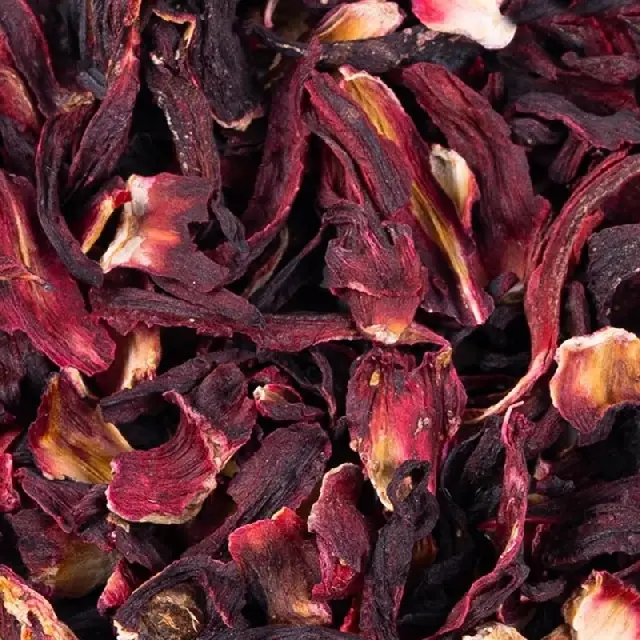
Our Fleurs d'Hibiscus Karkadé Bio are whole calyces, with no flavouring or other plant. Their product page specifies 13 to 18 g per litre of water at 100 °C, for 5 to 10 minutes: the longer the steeping, the more pronounced the acidity. To serve it iced, it recommends preparing it hot, letting it cool slightly, then pouring it over ice cubes with a few fresh mint leaves.
How do you prepare an iced fruit tea?
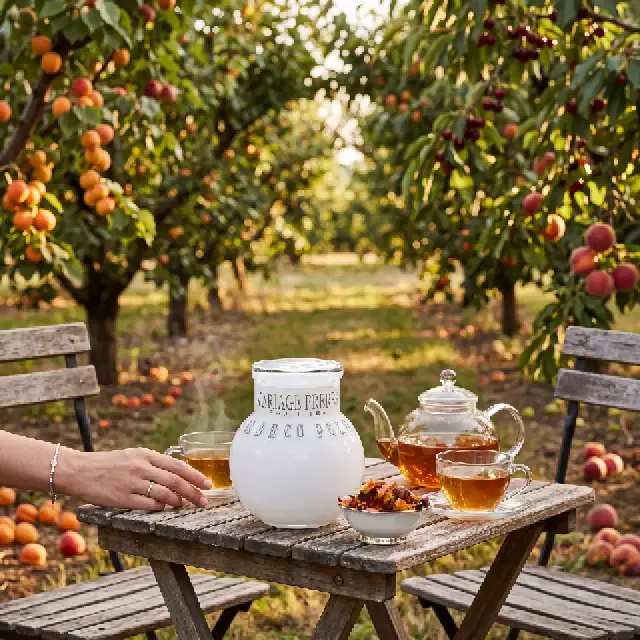
Steep it hot with the settings on its product page, leave it to cool, then serve it over ice cubes. This is the method given on the product pages of the fruit teas and fruit infusions featured here: it works for both families.
- Hot steeping with the measure, temperature and time on the product page: 3 minutes at 95 °C for Pêche d'Amour tea, 10 to 12 minutes at 100 °C for Verger Nature aux Trois Fruits Bio.
- Removal of the leaves or fruit as soon as the stated time is up.
- Cooling at room temperature, then into the fridge.
- Serving over ice cubes, with fresh fruit: a few slices of fresh peach for Himalayan Peach tea, a few fresh berries for Fruits Rouges tea, slices of orange and a little sparkling water for Verger Nature aux Trois Fruits Bio.
According to its product page, a carafe of Tribu Fruitée Orange Exotique Bio, steeped then cooled, keeps for one day in the fridge. For the method without hot water, cold brewing, our guide to homemade iced tea details the steps and the teas suited to it.
The sommelier's selection


Frequently asked questions
Does a fruit tea contain caffeine?
Yes, as soon as its base is a black, green, white or oolong tea: the added fruit or flavouring does not remove the caffeine from the leaf. Our product pages state it for each tea: moderate for Himalayan Peach and the Fruits Rouges tea, made with black tea, low for Pêche d'Amour, made with green tea. For the taste of fruit without caffeine, choose a fruit infusion made with apple and hibiscus, or a fruity rooibos.
Which red berry tea should you choose?
With caffeine, Mariage Frères' Fruits Rouges tea is a scented black tea with notes of strawberry, raspberry, redcurrant and cherry, to steep for 5 minutes at 95 °C, plain or with a dash of milk. Caffeine-free, Ombelle's Récolte de Fruits Rouges Bio brings together apple, hibiscus, elderberry, strawberry, blackcurrant, blackberry and redcurrant, 10 to 12 minutes at 100 °C. For darker fruit, Rooibos Baies Noires & Cassis Bio pairs blackcurrant with rooibos.
Can you make a red berry iced tea?
Yes. The Fruits Rouges tea is prepared hot, 2.5 g per 200 ml of water at 95 °C for 5 minutes, then cooled before being served over ice with a few fresh berries, as its product page suggests. Caffeine-free, Récolte de Fruits Rouges Bio makes a red carafe: steep 15 to 20 g per litre of boiling water for 10 to 12 minutes, leave to cool and serve iced with a few fresh mint leaves.
What is a dried fruit infusion?
It is a blend of dried fruit and flowers, cut into pieces, prepared like a herbal infusion. In our fruit infusions, apple and hibiscus calyces form the base, with, depending on the recipe, rosehip, orange peel, berries or pieces of banana and mango. These pieces need time: the product pages of our Ombelle fruit infusions featured here specify water at 100 °C and 10 to 12 minutes.
To go further
Sources
How we write our guides
Our guides are prepared by La Boutique du Thé, Mariage Frères stockist in Bordeaux and Nice since 1999, drawing on our product sheets, the experience of our shops and the sources cited. Each text is checked and approved by the team before publication. The teas and accessories featured are on sale at the time you read the page. The LBDT Sommelier · A question? Write to us
More guides from the house
- The difference between tisane and infusion: the words, the methods, the settingsThe tisane is the drink, infusion the method. Decoction, maceration, tea or tisane, families and preparation settings in one table.Read the guide →
- Mariage Frères herbal infusions: plants in cotton muslin sachets, blends and fruit infusionsMariage Frères herbal infusions: five single plants, three eight-plant blends and two fruit infusions, with the ingredients, taste and settings of each.Read the guide →
- Organic herbal infusion: what the EU logo guarantees, and how to read the labelOrganic herbal infusion or organic tea: what the EU logo guarantees, what the FR-BIO code and the origin tell you, and how to read them on our product pages.Read the guide →