
Earl Grey: the guide to bergamot tea

By the LBDT Sommelier · published on · 5 min read
Reviewed and approved by the La Boutique du Thé team
Earl Grey is the best known of flavoured teas: a tea, most often black, blended with essence of bergamot. Behind this simple definition, however, the cups are far from alike, for everything depends on the quality of the tea, that of the citrus fruit and the hand of the blender. This guide answers the questions we are asked every day in our shops, in Bordeaux and Nice alike.
What exactly is Earl Grey tea?
Earl Grey is neither a terroir nor a grape variety, but a flavoured tea: tea leaves onto which essence of bergamot, extracted from the zest of the citrus fruit, is applied. The classic recipe is based on a black tea, that is, a tea whose leaves have been fully oxidised after picking, which gives them their amber liquor and their rounded, sometimes malty notes.
The quality of an Earl Grey therefore depends on two things: the tea base, which provides body and structure, and the citrus essence, whose freshness makes all the difference between a radiant cup and a strident scent. The fine houses work with natural essences on whole leaves, whereas everyday versions often make do with flavourings added to broken leaves.
Calabrian bergamot, a citrus fruit like no other
Bergamot is a small citrus fruit whose flesh, too bitter, is not eaten as it is. It is grown almost exclusively on the coast of Reggio Calabria, at the very southern tip of Italy, where the climate suits it as nowhere else. It is the zest that is pressed to obtain an essential oil of great finesse, prized by perfumers long before tea houses.
In the cup, bergamot brings an instantly recognisable freshness: lively citrus notes, a floral hint and a light, elegant bitterness that lengthens the finish. It is this contrast between the warmth of black tea and the brightness of the citrus that has made the blend so successful for nearly two centuries.
Why the name? The story of Earl Grey
The blend owes its name to Charles Grey, 2nd Earl Grey and British Prime Minister from 1830 to 1834. As for the exact origin of the recipe, however, several stories circulate: a diplomatic gift brought back from China, a blend created to suit the water at the family residence, or the creation of a London tea merchant in search of prestigious patronage. None is firmly documented, and this uncertainty only adds to the charm of the story.
What is certain is that bergamot tea became established in England in the 19th century before conquering the rest of the world, to the point of becoming, for many enthusiasts, their first encounter with quality tea.
Earl Grey on black, green or white tea: what are the differences?
The classic version is based on a black tea, from China, Ceylon or a blend, which gives the bergamot a full-bodied foundation: this is the one served at breakfast or at teatime. On green tea, the citrus meets fresher vegetal notes, for a lighter result well suited to the afternoon. On white tea, the bergamot becomes discreet and the whole gains in delicacy.
There are also variations enriched with cornflower petals, peel from other citrus fruits or floral touches. Simply take care to adapt the infusion to the chosen base: an Earl Grey on green tea is not prepared like an Earl Grey on black tea.
How to choose your Earl Grey: our guidelines
Ask yourself two questions: what intensity of bergamot are you looking for, and on which tea base? Lovers of bold cups will choose a generous bergamot on a robust black tea; a more delicate palate will prefer a restrained citrus on a fine base. Then check the nature of the flavouring: a natural bergamot essence gives a freshness that synthetic flavourings cannot match, and whole leaves yield a cleaner liquor than broken leaves.
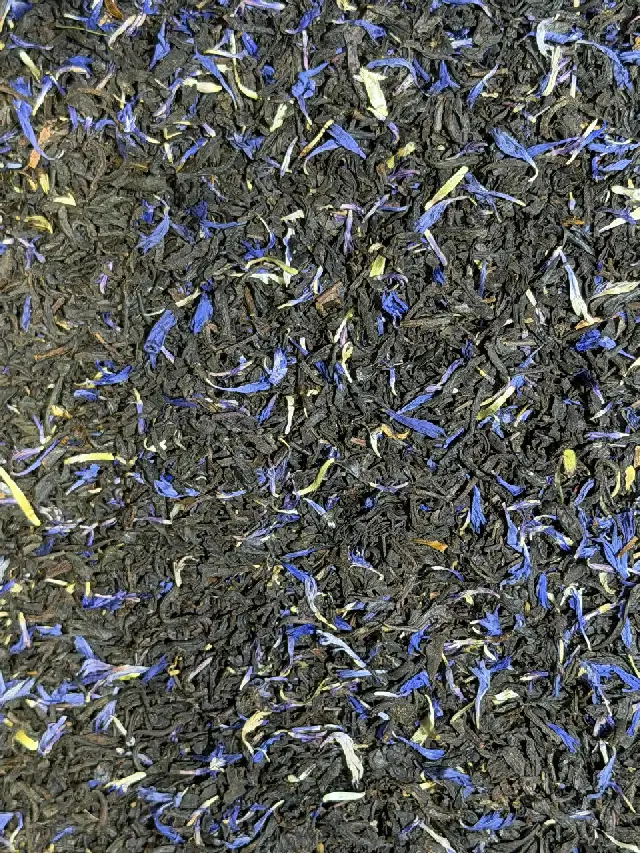
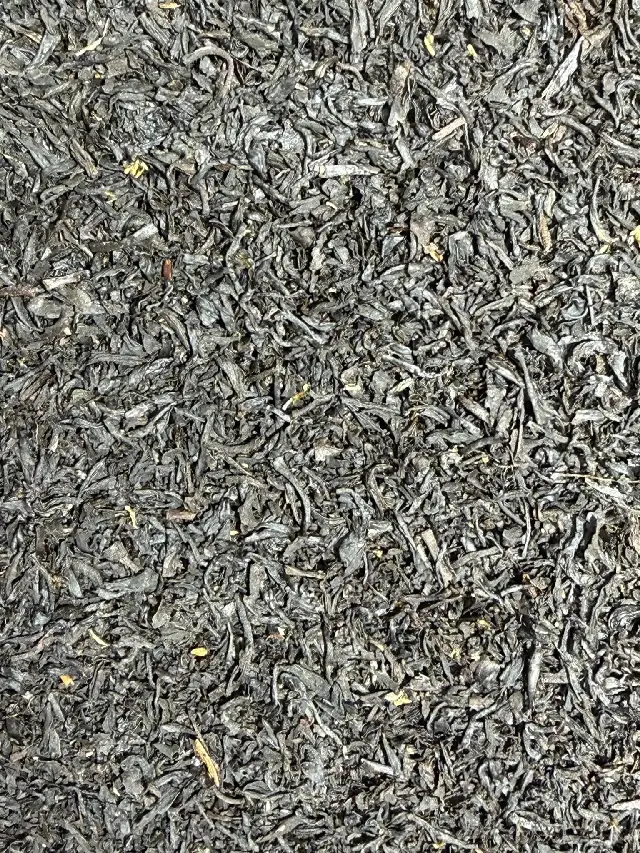
Official Mariage Frères stockist since 1999, we recommend three Earl Greys. Earl Grey French Blue, a house classic, is a balanced, gently fragrant recipe enhanced with cornflowers; its China tea base makes it neither too powerful, nor too robust, nor too high in caffeine. Paris Earl Grey, a China tea with royal bergamot, is more intense. Both are available as loose leaf and in cotton muslin tea sachets. Finally, Breakfast Earl Grey is based on a finely cut Ceylon tea (BOP): powerful, robust and high in caffeine, it is a morning tea. The simplest way is to smell and compare them in our shops in Bordeaux and Nice, or to rely on our detailed product pages online.
How to prepare Earl Grey, and what to enjoy it with?
For a black base, allow 2 grams of tea per 200 ml of water heated to between 90 and 95 °C, never boiling, and leave to steep for 3 to 4 minutes depending on the strength you prefer. Beyond that, bitterness overpowers the citrus. On a green base, lower the temperature to between 70 and 80 °C. Earl Grey is drunk plain, to appreciate the clarity of the bergamot, or with a dash of milk in the English style, which rounds out the cup. Avoid lemon, however, which competes with the citrus already present.
At the table, Earl Grey pairs beautifully with chocolate pastries, scones, butter shortbread and citrus desserts. It also makes an excellent iced tea, cold-brewed for several hours in the refrigerator: the bergamot becomes fresher still.
The sommelier's selection

Frequently asked questions
Does Earl Grey contain caffeine?
Yes, since it is based on black tea or green tea. Theine and caffeine are in fact one and the same molecule, but a cup of tea contains less than a coffee. If you are looking for an evening drink, choose a rooibos, naturally caffeine-free.
What does Earl Grey tea taste like?
It combines the body of a tea, most often black and lightly malty, with the zesty freshness of bergamot, a citrus fruit with lively, floral notes. The balance varies greatly from one house to another, from a discreet citrus touch to a very assertive bergamot.
Should you add milk to Earl Grey?
It is a matter of taste. A dash of milk, the English way, rounds out the cup and softens the bitterness, while taken plain, earl grey better reveals the clarity of the bergamot. Keep lemon for other teas, however, as it competes with the citrus already present.
What is the best time to drink Earl Grey?
Its black tea base makes it a tea for the morning and afternoon, on its own or with a pastry. In the evening, a naturally caffeine-free infusion such as rooibos will take over.
To go further
More guides from the house
- Mariage Frères Earl Grey: 18 versions compared, from Earl Grey Impérial to Rouge Earl GreyMariage Frères Earl Grey: tea base, flavouring, caffeine and settings for 18 versions in stock, to choose yours according to the moment and milk.Read the guide →
- The best Mariage Frères teas, according to our tea advisers15 Mariage Frères teas recommended by our tea advisers in Bordeaux and Nice: Marco Polo, Earl Grey, Grands Crus, evening teas. Price per 100 g and preparation.Read the guide →
- Where to buy Mariage Frères tea, and on what termsOfficial stockist since 1999: over 400 loose leaf teas, delivery from €4.50, free from €50, free Click & Collect in 2 hours in Bordeaux and Nice.Read the guide →