
White teas
44 results




White teas
White teas
White tea is the least processed tea: its young shoots are simply withered and dried, without rolling or fixing, which gives it a pale, sweet and silky liquor. It is the most delicate family, to be infused with finesse to reveal its notes of flowers, fresh fruit and light honey.

Reviewed and approved by the La Boutique du Thé team
Definition of white tea
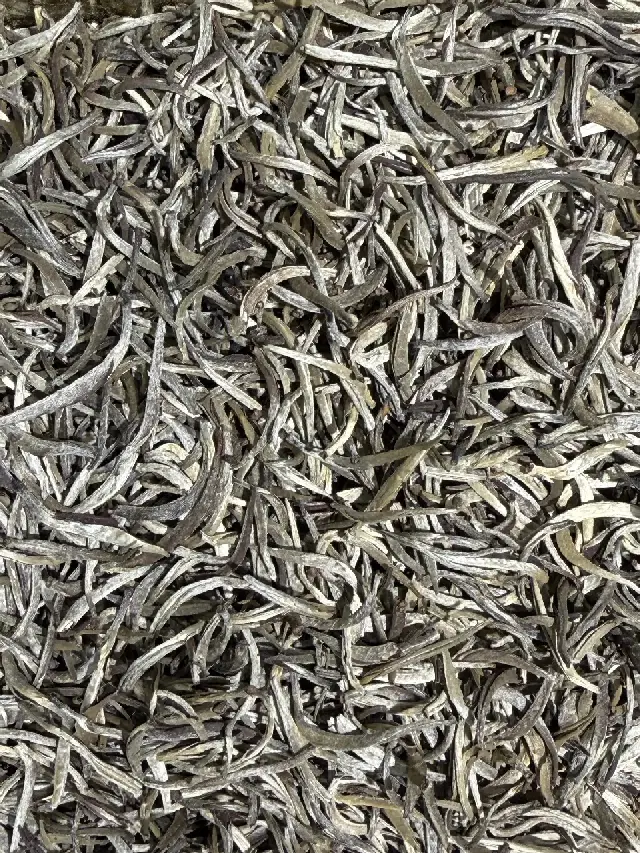
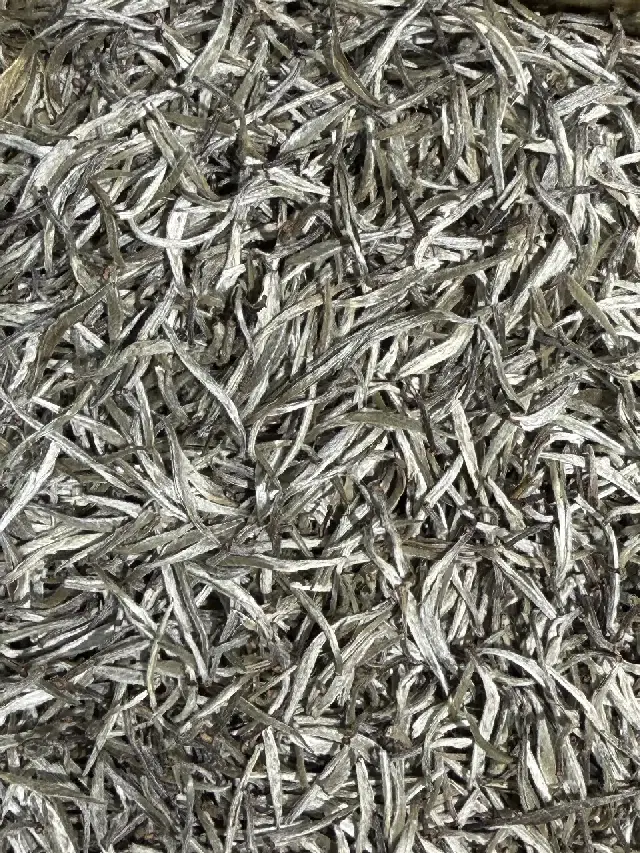
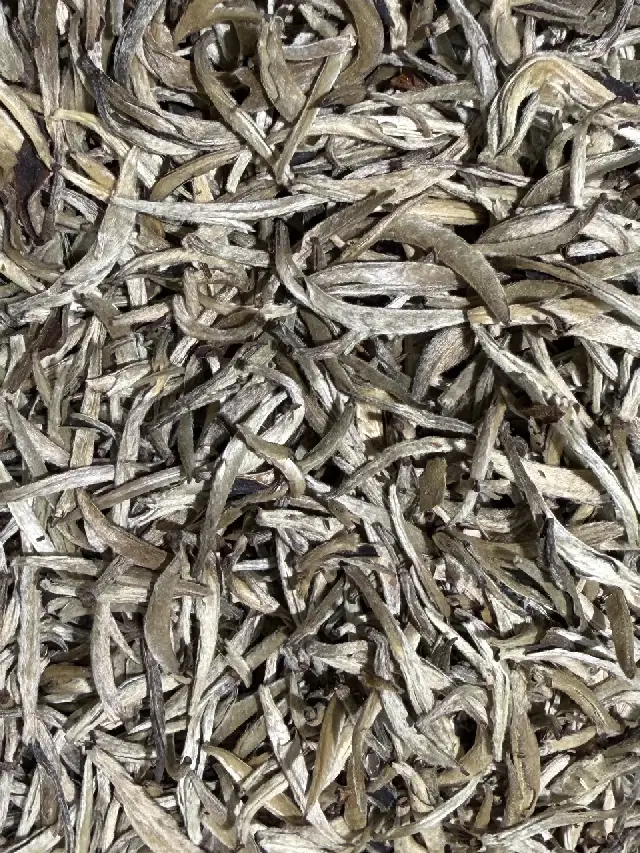
White tea owes its name to the fine silvery down covering freshly picked buds. Its production is very simple: the shoots are left to wither in the air, sometimes in the sun, then dried. This absence of rolling and fixing leaves room for a very light natural oxidation, hence a clear, low-tannin and delicate cup.
The reference terroir is Fujian, in China, where the cultivars ideal for plump buds grow.
Varieties and selection
A distinction is made between white tea of buds alone, rarer and more precious, and white teas combining buds and young leaves, which are rounder. Our reference points:
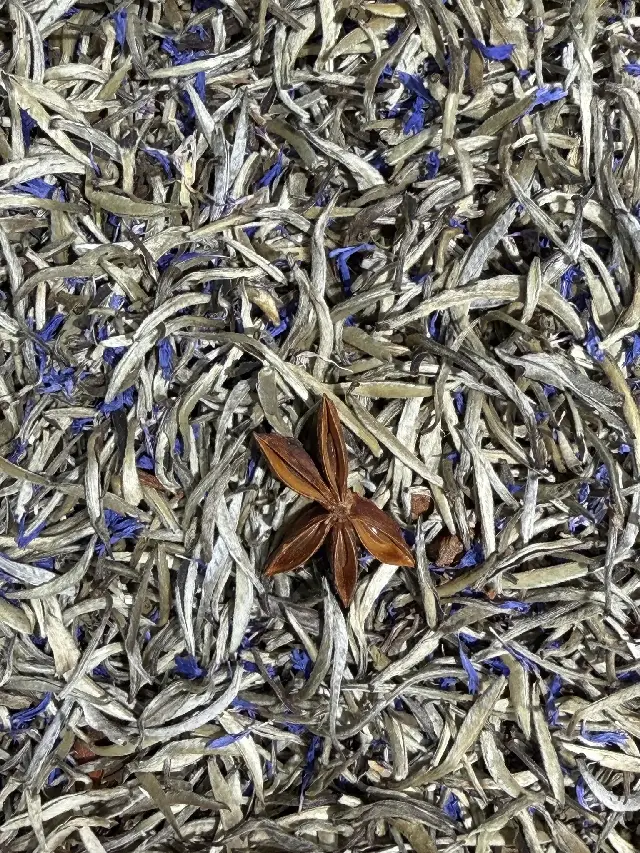
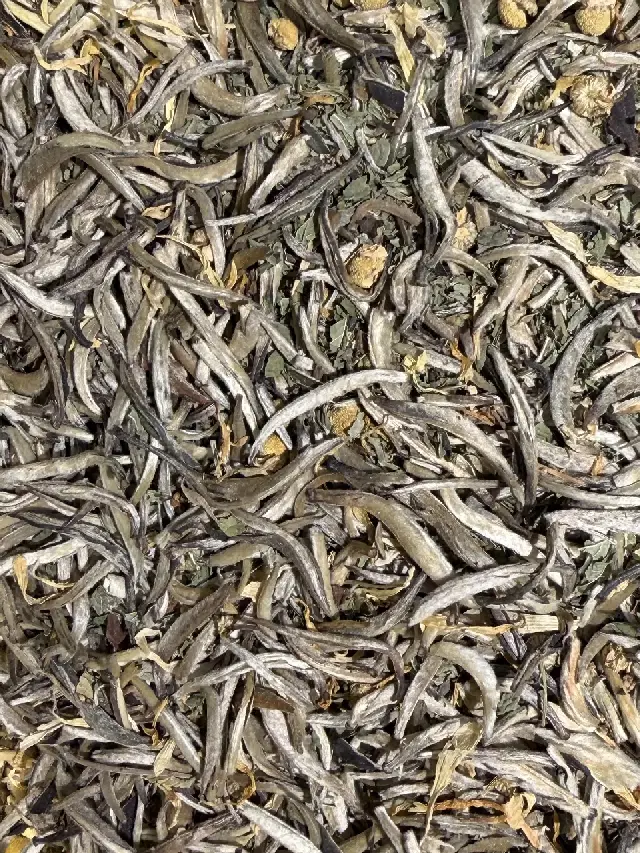
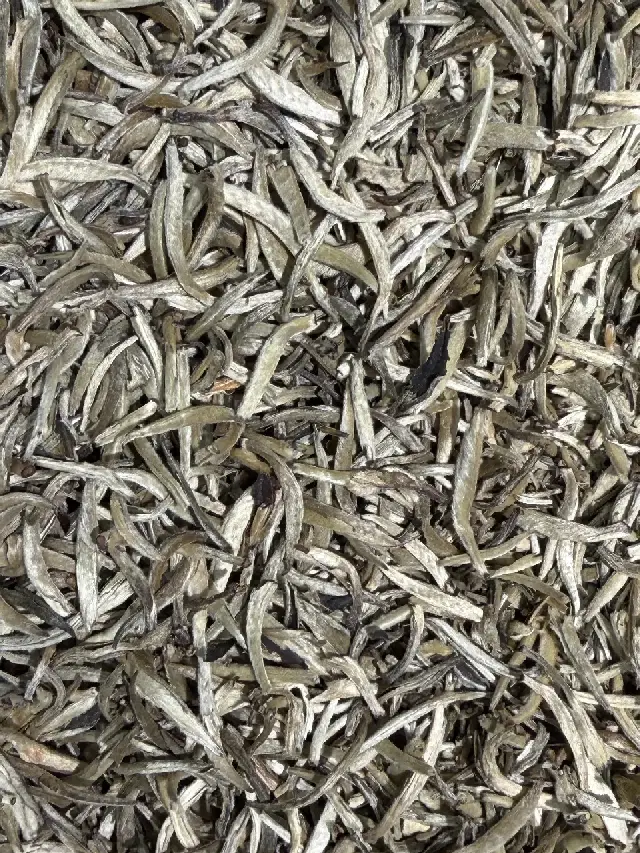
- Thé Blanc Aiguilles d'Argent: the great classic, made from downy buds alone, with silky sweetness and great finesse. The summit of the family.
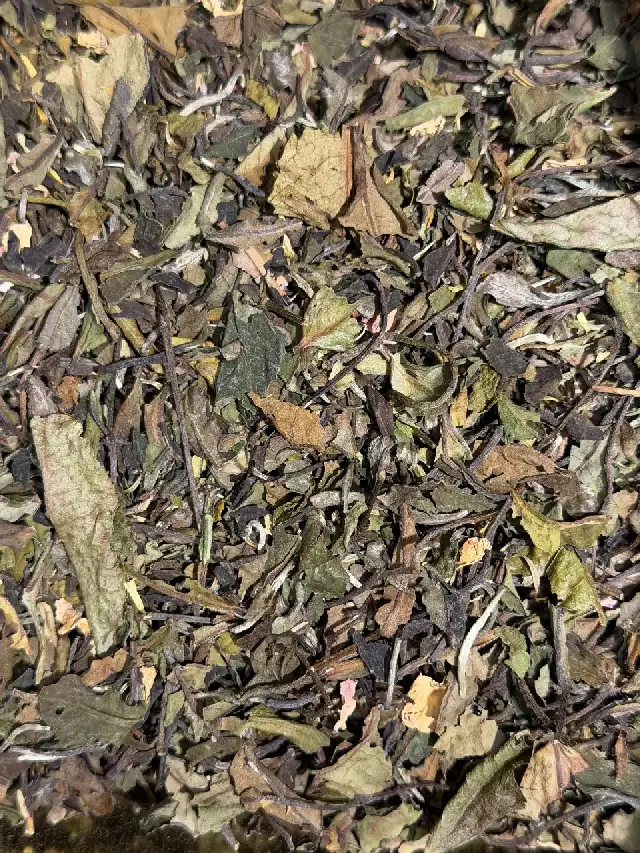
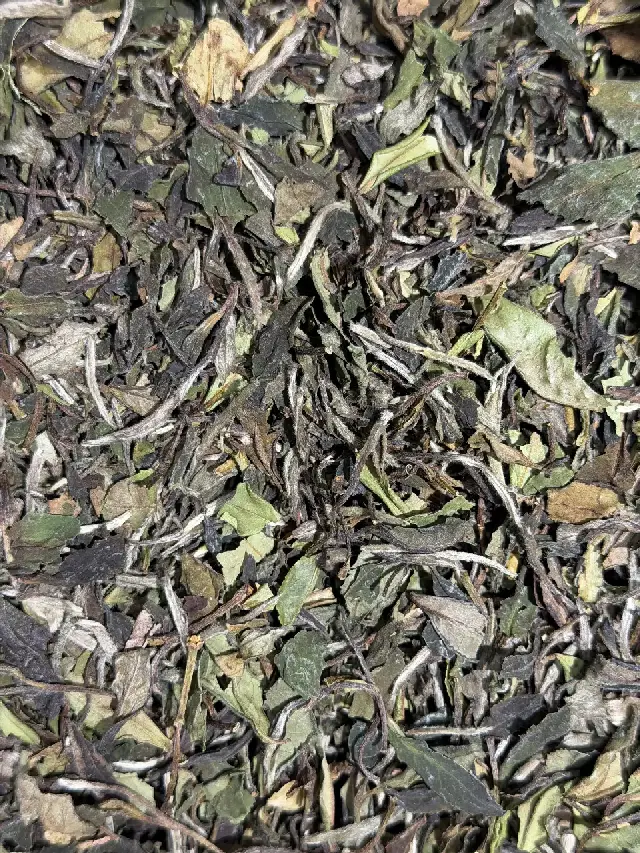
- White teas made from bud and leaf, more accessible, with notes of white fruit and soft hay.
- Certain aged white teas, which gain depth and honeyed notes over the years.
Preparation
The delicacy of white tea calls for water that is not too hot and a patient infusion. Guide: 70 to 80 °C, 5 to 7 minutes, 3 to 4 g per 200 ml. Dose more generously than for a black tea, as the light buds take up volume and release their aromas slowly. Water that is too hot would crush the finesse of the liquor.
White tea re-infuses very well: the second cup, often the most expressive, is worth trying.
Storage
Airtight, opaque container, away from heat and odours: the usual rules apply. A feature of white tea is that certain crops improve with controlled ageing, their notes becoming more honeyed and woody. For a classic tasting focused on floral freshness, however, drink it within one or two years.
Why white tea is so delicate
Its sweetness stems from its minimal production: without rolling, the leaf's cells are little bruised, so few tannins are released. The cup stays clear, light and free of bitterness, even when steeped for a long time. It is a tea for listening, which asks for water that is just warm and a little attention to reveal its full subtlety.
| Type | Temperature | Time | Dosage (200 ml) |
|---|---|---|---|
| Aiguilles d'Argent (buds) | 75-80 °C | 6 to 7 min | 4 g |
| White tea, bud and leaf | 70-80 °C | 5 to 6 min | 3 g |
Frequently asked questions
What distinguishes white tea from other teas?
White tea is the least processed: its young shoots are only withered and dried, without rolling or fixing with heat. The result is a clear, sweet and low-tannin liquor, with delicate floral and fruity notes.
At what temperature should you prepare white tea?
Water that is not too hot, around 70 to 80 °C, preserves its finesse. Allow 5 to 7 minutes of infusion and a generous dose of 3 to 4 g per 200 ml, as the light buds release their aromas slowly.
What is Aiguilles d'Argent white tea?
It is a true classic of white tea, made solely from downy buds picked in spring. Its liquor has a silky, fine and delicate sweetness. It is the purest and most sought-after expression of the family.
Can white tea age?
Yes, certain white teas improve with controlled ageing: their notes grow more honeyed and woody over the years. To enjoy the floral freshness of the original, drink it within a year or two instead.
To go further