
Japanese teas
39 results
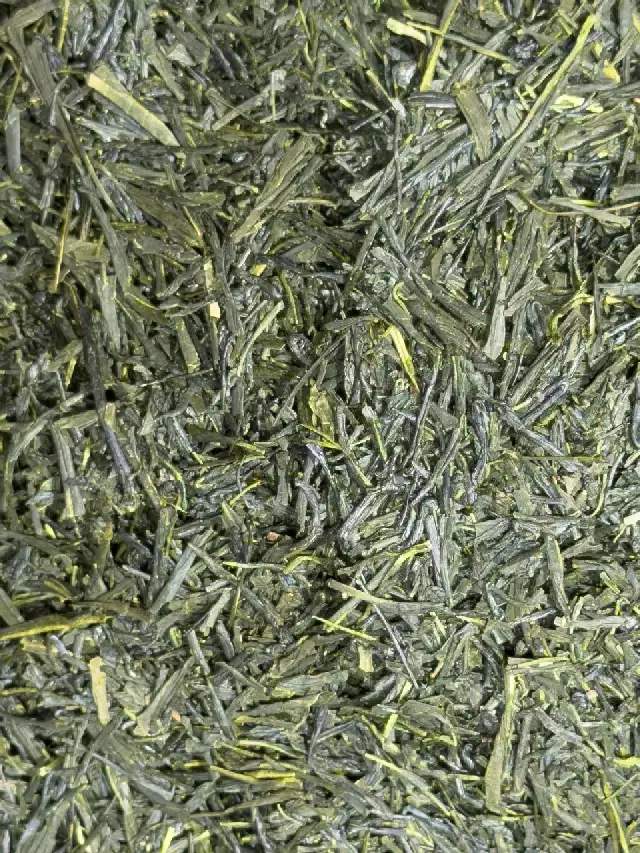
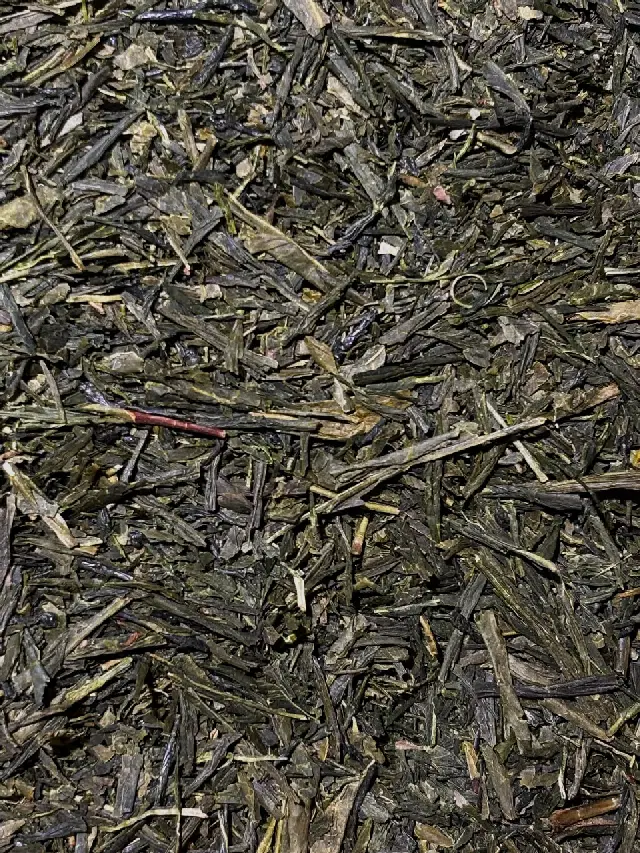
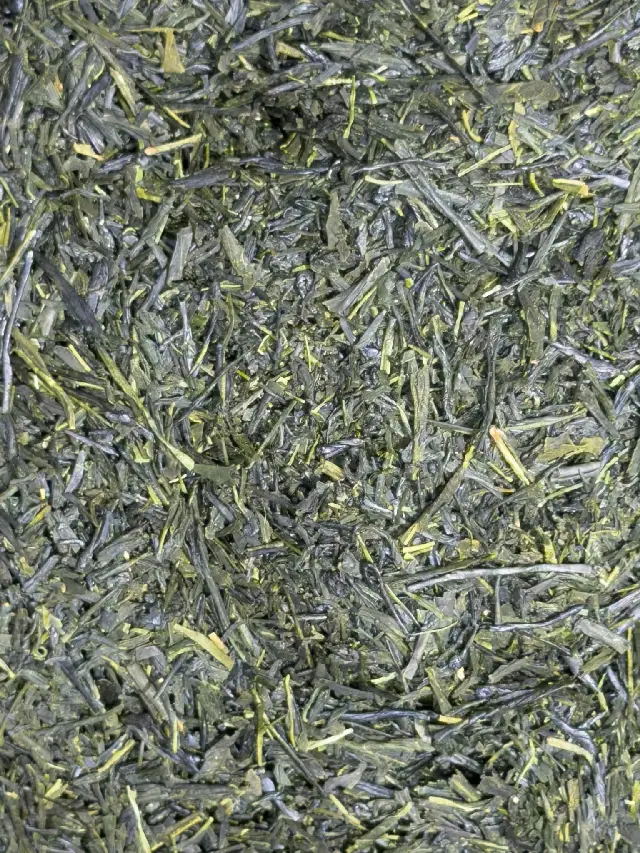


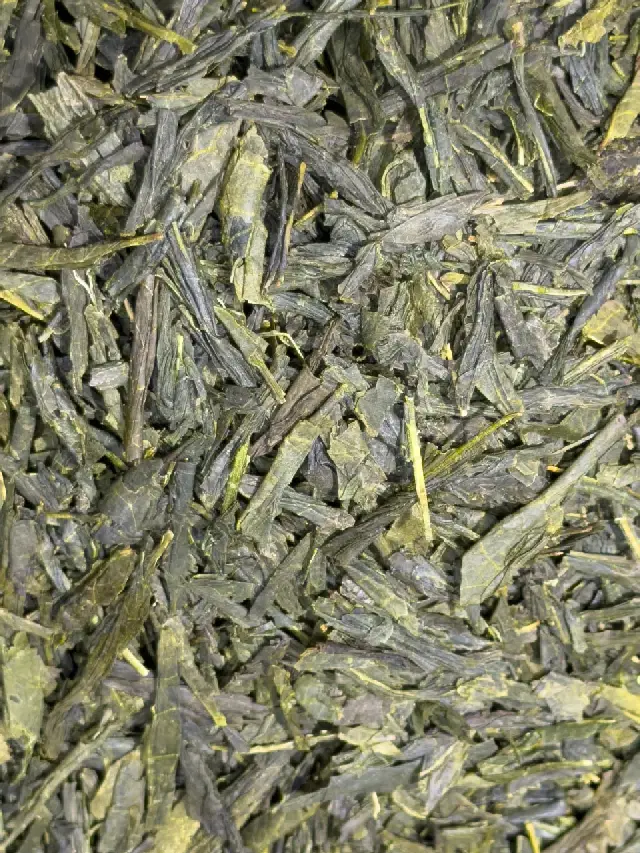
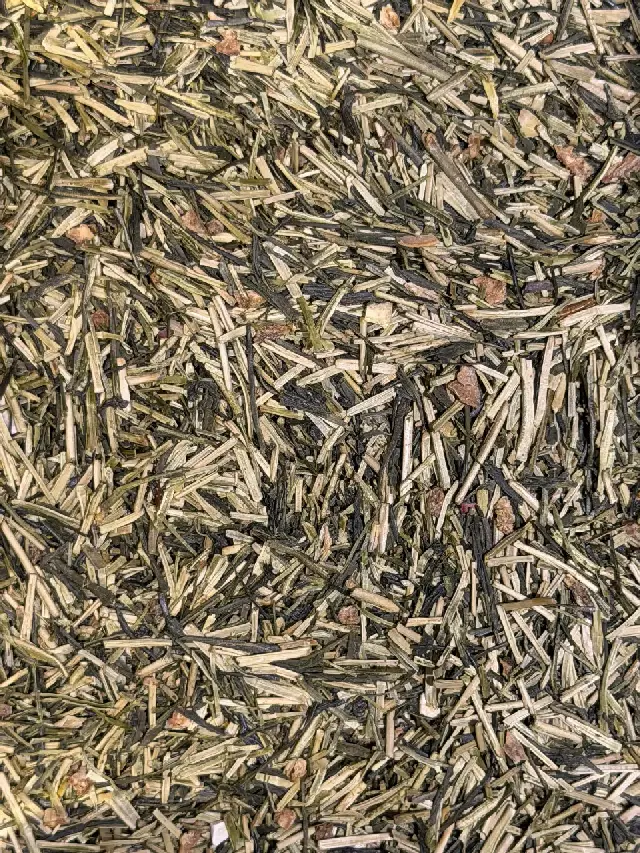
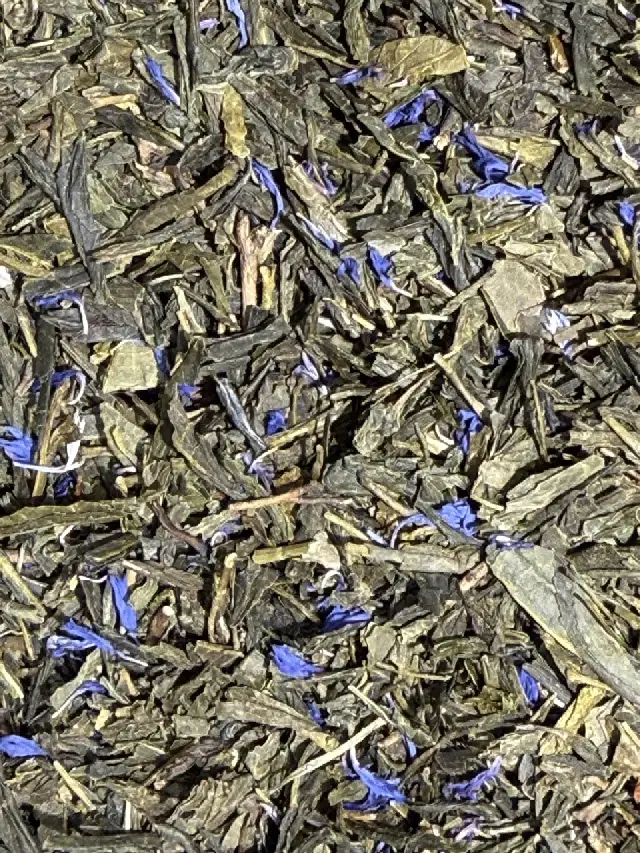
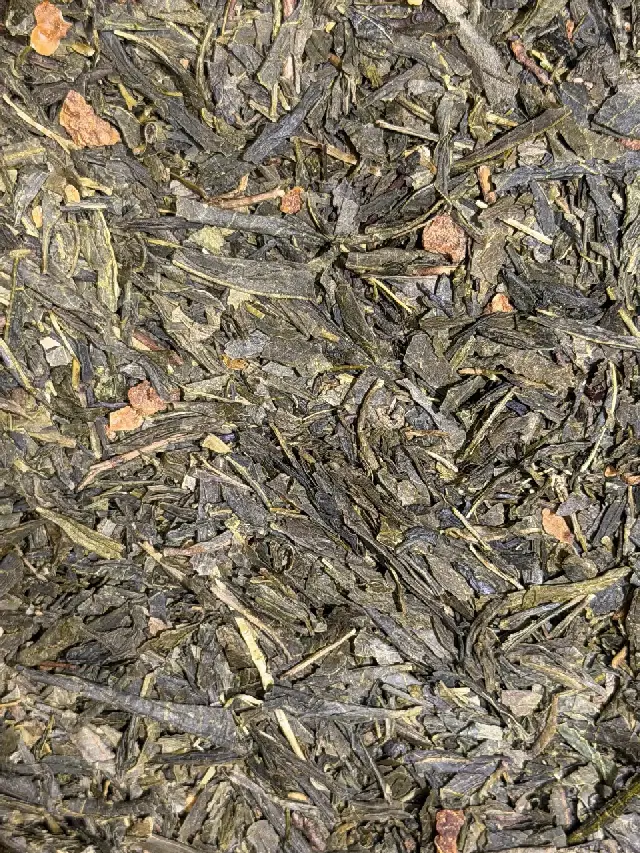
Japan
Japanese teas
Japanese tea is almost exclusively green tea, steamed (mushi process) straight after harvest, which gives it its jade colour and its characteristic vegetal, iodine and umami taste. Grown mainly in Uji, Shizuoka and Kagoshima, it brings together emblematic varieties such as sencha, shade-grown gyokuro, powdered matcha and roasted hojicha.

Reviewed and approved by the La Boutique du Thé team
What defines Japanese tea
Japan produces almost exclusively green tea, and fixes it by steaming rather than in a wok. This steaming (mushi), lasting just a few seconds, locks in the chlorophyll and gives liquors of an intense green, with a marine, umami profile. Japan has also popularised shade cultivation, which reduces bitterness and concentrates the amino acids responsible for umami.
The great Japanese varieties
Sencha: the everyday tea, fresh and herbaceous. Gyokuro: the great shaded grand cru, dense and velvety. Matcha: tencha ground on a stone mill, whisked, at the heart of the tea ceremony. Hojicha: roasted green tea, low in caffeine, with hazelnut notes. Genmaicha: green tea and puffed rice. At Mariage Frères, the plain senchas, the Matcha Impérial and Thé des Samouraïs pay tribute to this terroir.
The terroirs of Japanese tea
Uji, near Kyoto: the historic birthplace of exceptional gyokuro and matcha. Shizuoka, at the foot of Mount Fuji: the largest producing region, the heart of sencha. Kagoshima, in the south: a warm climate, early harvests, generous sencha. Also Yame (Fukuoka) for gyokuro and Sayama for full-bodied teas.
Preparing a Japanese tea
- Water temperature: 70 °C for a sencha, 50-60 °C for a gyokuro, 80 °C for hojicha/bancha.
- Measure: 2 g per 200 ml (a little more for a gyokuro, infused in less water).
- Steeping time: 1 to 2 minutes; the leaves can be re-infused 2 to 3 times.
Storage
Like all green tea, Japanese tea is sensitive to light, air and humidity. Airtight opaque tin, away from heat and odours, consumed within 6 to 12 months. Opened matcha oxidises quickly: keep it in a cool place for a few weeks at most.
| Variety | Type | Temperature | Time | Character |
|---|---|---|---|---|
| Sencha | Steamed green | 70 °C | 1 min 30 | Fresh, herbaceous, bright |
| Gyokuro | Shade-grown green | 50-60 °C | 2 min | Dense umami, velvety |
| Matcha | Whisked powder | 70-80 °C | - | Creamy, intense |
| Hojicha | Roasted green | 90 °C | 30 s-1 min | Toasted hazelnut, low caffeine |
| Genmaicha | Green + rice | 80 °C | 1-2 min | Toasted rice, comforting |
Frequently asked questions
What is the difference between sencha and gyokuro?
Both are Japanese green teas, but gyokuro is shade-grown in the weeks before harvest. This shading reduces bitterness and develops umami: gyokuro is denser and more velvety, while sencha is fresher. Gyokuro is infused at a cooler temperature (50-60 °C).
Is matcha a green tea?
Yes. Matcha is a Japanese green tea whose shade-grown tencha leaves are ground into a fine powder on a stone mill. The whole leaf is whisked into water and consumed, hence its intensity and creamy texture.
Which Japanese tea contains the least caffeine?
Hojicha (roasted green tea) and bancha (late harvest) are the lowest in caffeine. Conversely, gyokuro and matcha, rich in young shoots, are the most stimulating.
How do you brew a Japanese green tea without bitterness?
Water tempered to 70 °C, never boiling, a short steep (1 to 2 minutes) and a good measure (2 g per 200 ml). For a gyokuro, lower the temperature to 50-60 °C. You can re-infuse the leaves two to three times.
To go further