
Chinese teas
103 results

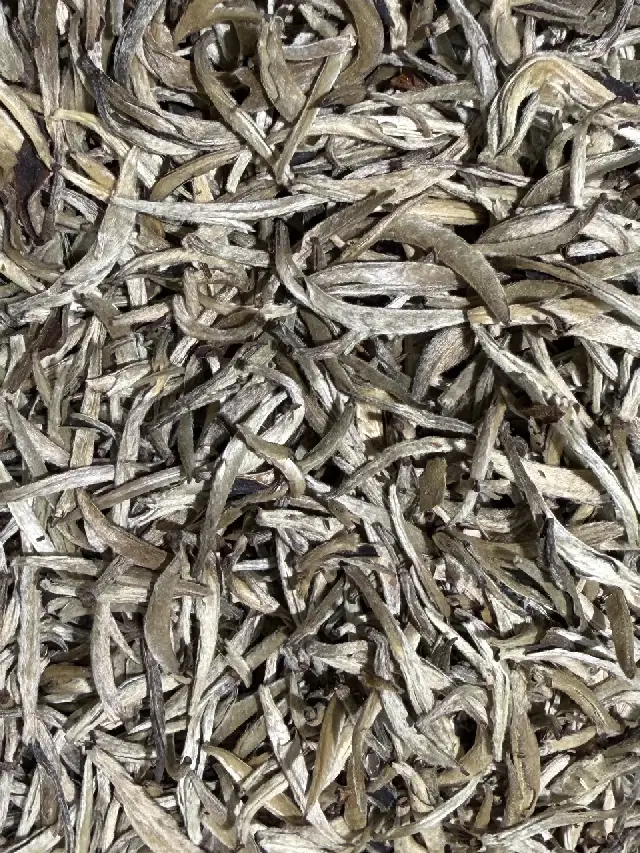
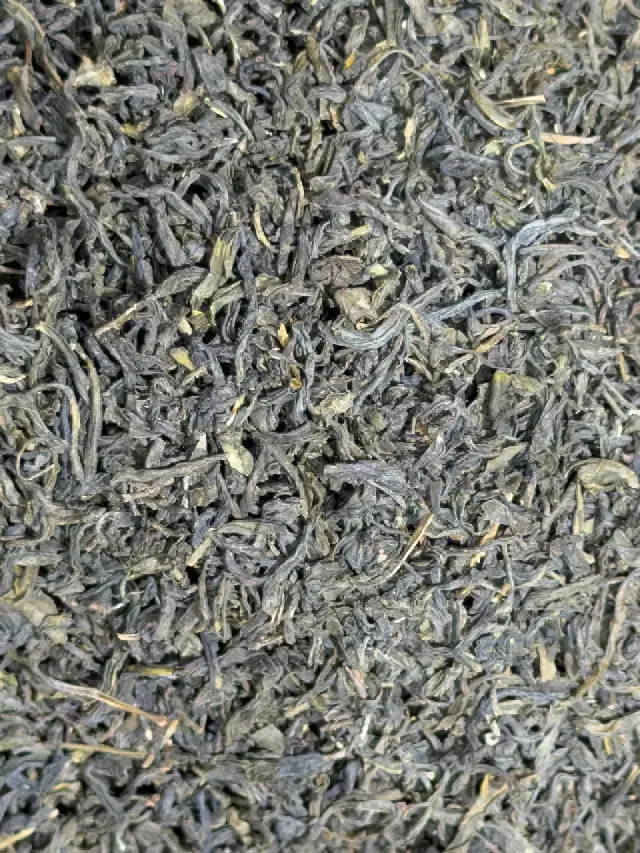
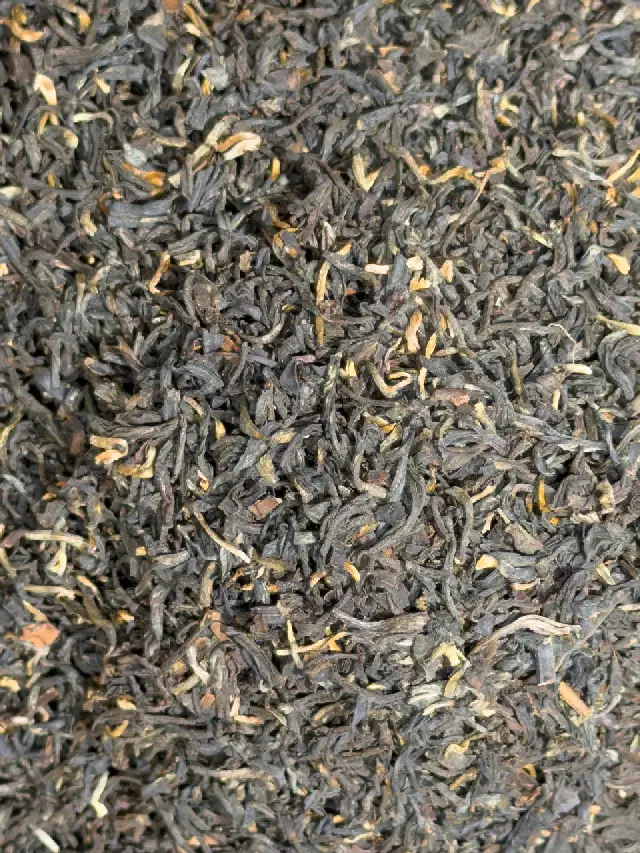
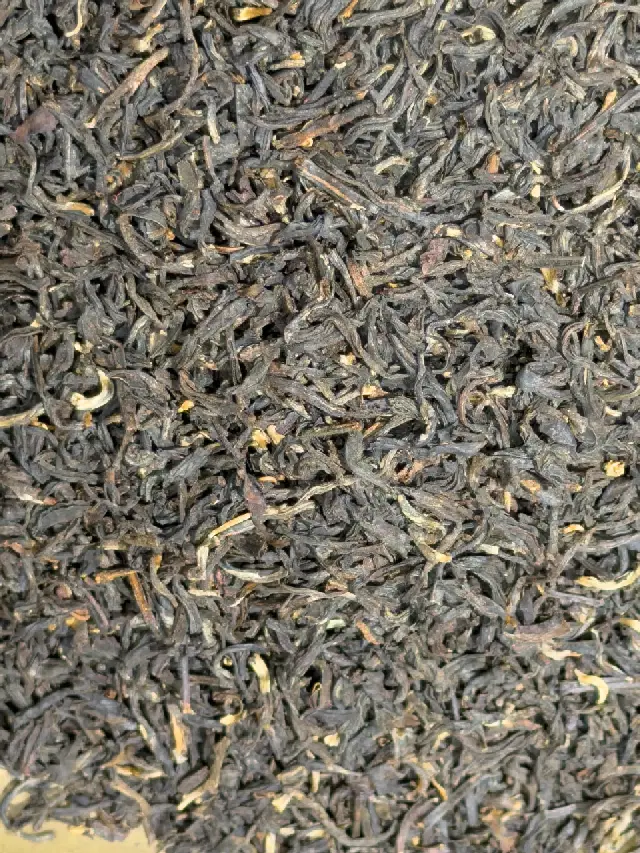
China
Chinese teas
A Chinese tea comes from the plant's historic birthplace, where the six great tea types were born, from green to dark pu-erh. It is the most diverse origin in the world, where a single leaf can give a crystalline white from Fujian as well as a smoked black or a pu-erh patinated by the years.

Reviewed and approved by the La Boutique du Thé team
What is a Chinese tea
China is the country of origin of tea and remains, nearly two thousand years later, the most varied producer on the planet. It is there that all the great families were invented: green tea, yellow tea, white tea, oolong, black tea (called red tea in China) and dark fermented tea such as pu-erh. This unique range explains why an enthusiast could spend a lifetime exploring Chinese teas alone without exhausting them.
Our selection of Chinese teas
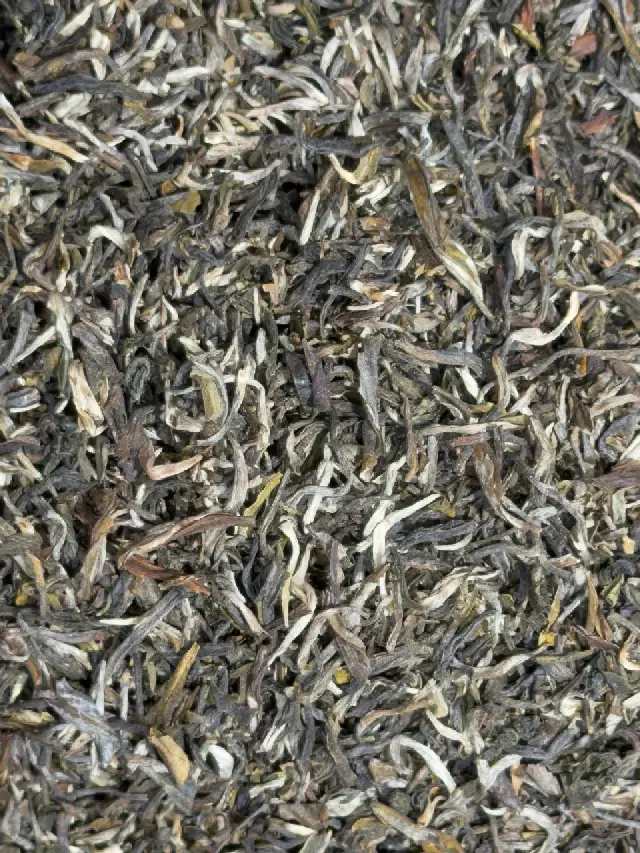
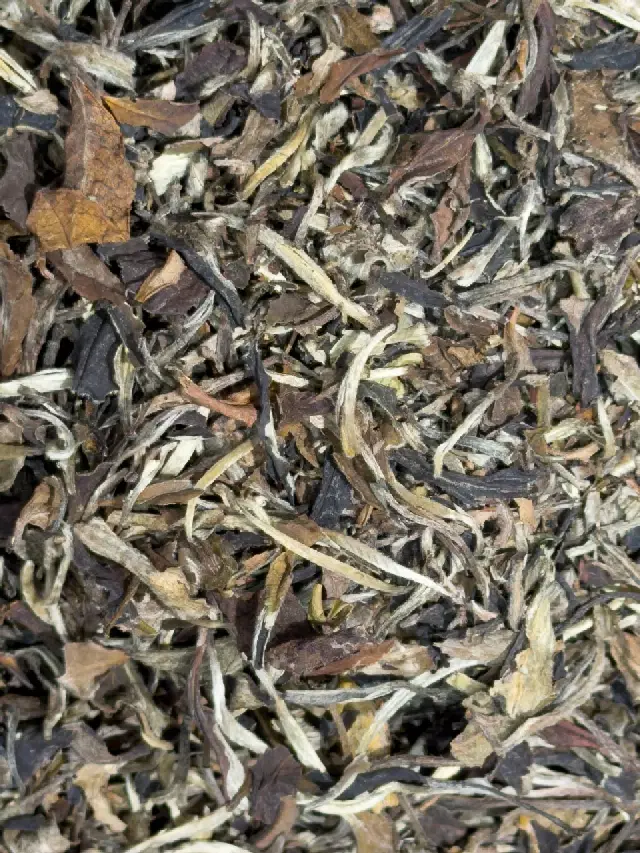
Our house brings together the great classics of Chinese origin. The Marco Polo, a black tea with fruit and flowers, remains one of the most loved blends for entering the Chinese world. The Lapsang Souchong, dried over a pine wood fire in Fujian, offers its famous smoky scent. For palates seeking refinement, the Thé Blanc Aiguilles d'Argent unfolds its downy buds, while the Pu-erh Impérial from Yunnan seduces with its woody, earthy roundness.
- Supple, fragrant black teas (Marco Polo, Thé des Impressionnistes)
- Smoked teas from Fujian (Lapsang Souchong)
- White bud teas (Aiguilles d'Argent, Pai Mu Tan)
- Dark teas from Yunnan (Pu-erh)
- Green teas such as Lung Ching or Gunpowder
How to brew a Chinese tea
The parameters vary by type. For a Chinese green tea, steep 2 g per 200 ml at 70 to 80 °C for 2 to 3 min. A Chinese black tea tolerates hotter water, 90 to 95 °C, for 3 to 4 min. Pu-erh is briefly rinsed with boiling water, then steeped at 95 to 100 °C for 4 to 5 min, and accepts several successive infusions. White tea calls for gentleness: 75 to 85 °C for 5 to 7 min.
Storing your Chinese teas
Keep your leaves away from light, air, humidity and odours, in an airtight, opaque tin. Greens and whites should be drunk within the year to preserve their freshness. Pu-erh is the exception: it is one of the rare teas that can mature with time when stored in good conditions.
The great Chinese terroirs
Yunnan, in the south-west, is the birthplace of ancient tea trees and the land of pu-erh and many round black teas. Fujian, on the south-east coast, produces white bud teas, the oolongs of the Wuyi mountains and smoked Lapsang. Anhui is famous for Keemun, a fine and winey black tea. Zhejiang is home to Lung Ching (Dragon Well), a great flat, roasted green tea. Each province tells a story of its own soil and climate.
| Type | Key terroir | Cup profile | Brewing |
|---|---|---|---|
| Green tea | Zhejiang | Roasted, vegetal, chestnut | 70 to 80 °C, 2 to 3 min |
| Black tea | Yunnan, Anhui | Round, malty, honey | 90 to 95 °C, 3 to 4 min |
| Smoked tea | Fujian | Wood fire, resinous | 90 to 95 °C, 3 to 4 min |
| White tea | Fujian | Downy, floral, gentle | 75 to 85 °C, 5 to 7 min |
| Pu-erh | Yunnan | Woody, earthy, deep | 95 to 100 °C, 4 to 5 min |
Frequently asked questions
Which Chinese tea should I choose when starting out?
Marco Polo is an ideal starting point: this black tea with notes of fruit and flowers is supple, not very astringent and pleases almost everyone. If you prefer a more pronounced character, try the smoky Lapsang Souchong or a plain Yunnan.
Why is black tea called red tea in China?
In China, teas are classified by the colour of the liquor, not the leaves. What the West calls black tea gives a coppery to red infusion: the Chinese therefore call it hong cha, red tea. The term black tea there refers instead to dark fermented teas such as pu-erh.
How long does pu-erh keep?
Yes, that is its distinctive feature. Unlike green and white teas, which are drunk young, a good pu-erh can be kept for several years in a dry, airy place free of odours, and its profile mellows over time.
How do you brew a Chinese green tea successfully?
Allow 2 g of leaves per 200 ml of water at 70 to 80 °C, never boiling, and infuse for 2 to 3 min. Water that is too hot makes the cup bitter and masks the delicate roasted notes of Lung Ching or Gunpowder.
To go further