
Rooibos
70 results



Rooibos
Rooibos
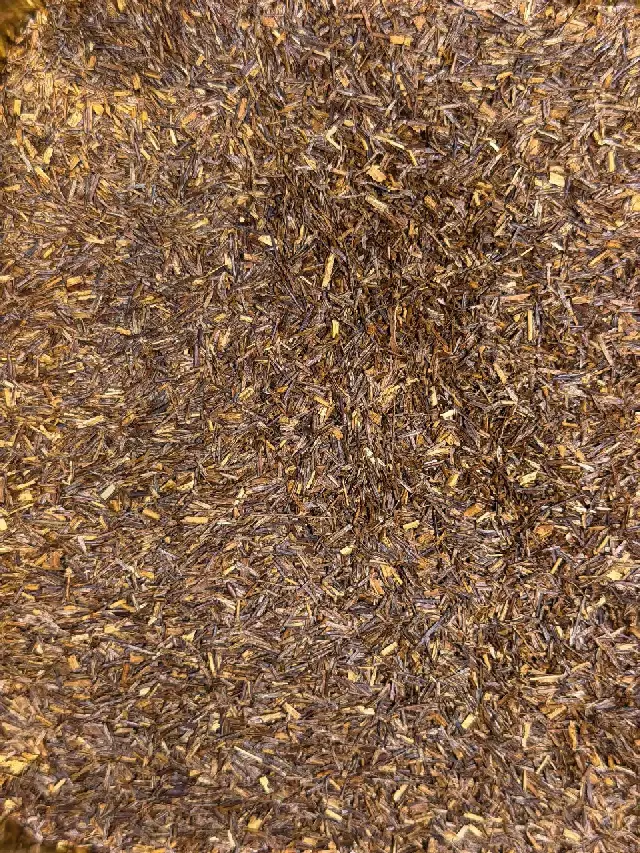
Rooibos is an infusion from South Africa made from a local shrub, naturally free of caffeine, with a coppery red liquor that is soft and slightly sweet. Technically, it is not a tea, but it is brewed and flavoured like one, which makes it a beverage of choice for the evening and for the whole family.

Reviewed and approved by the La Boutique du Thé team
Definition of rooibos
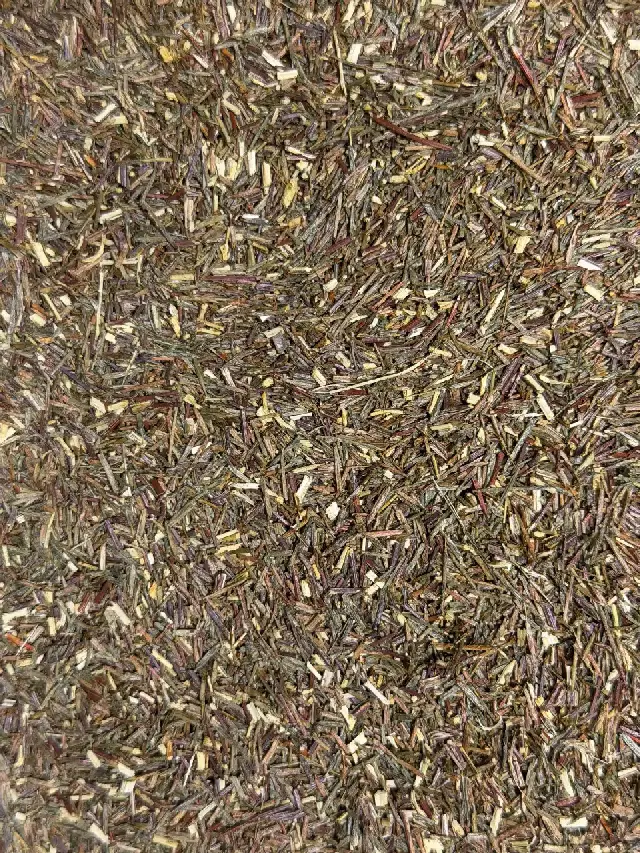
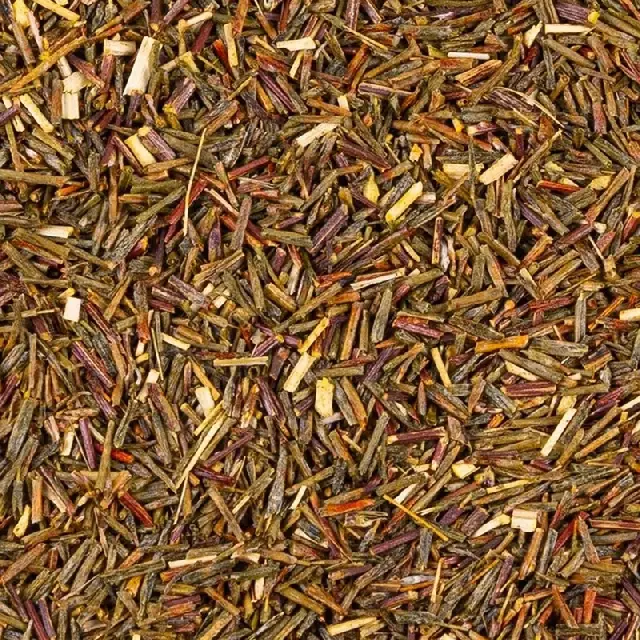
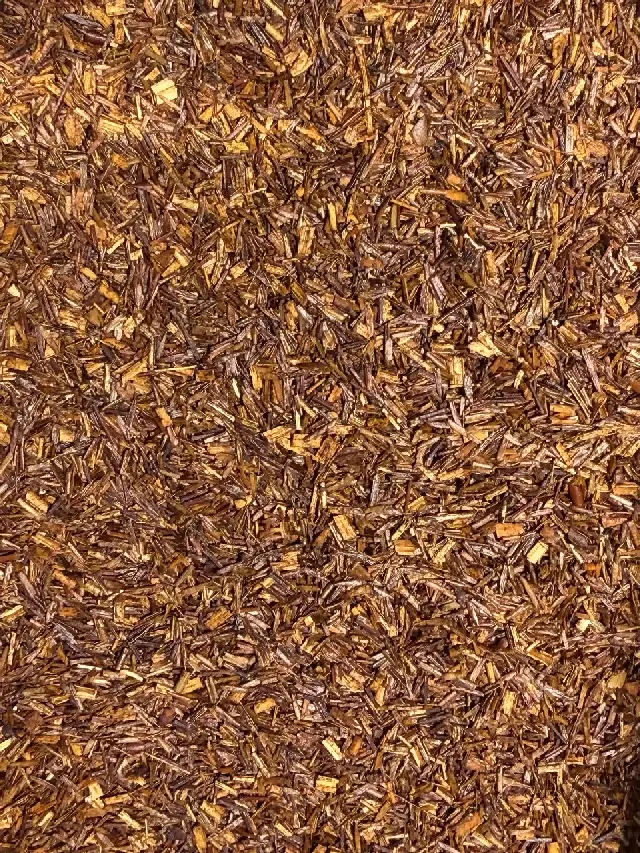
Rooibos, whose name means “red bush” in Afrikaans, comes from Aspalathus linearis, a shrub that grows only in the Cederberg region of South Africa. Its twigs are cut, sometimes oxidised (red rooibos) or not (green rooibos), then dried. As it does not come from Camellia sinensis, rooibos contains no caffeine and offers a naturally sweet liquor, without bitterness.
Its round, slightly woody and honeyed flavour makes it an excellent base for flavouring.
Varieties and selection
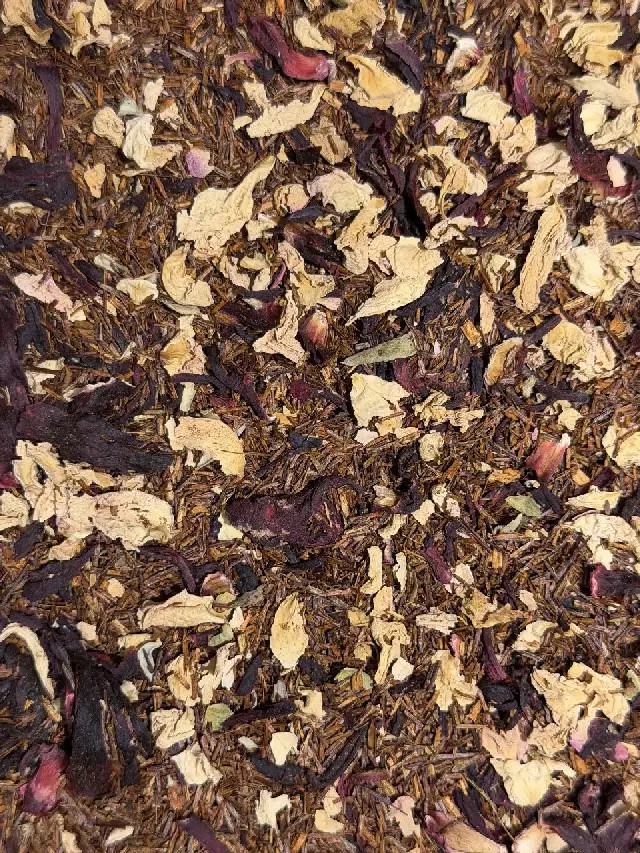
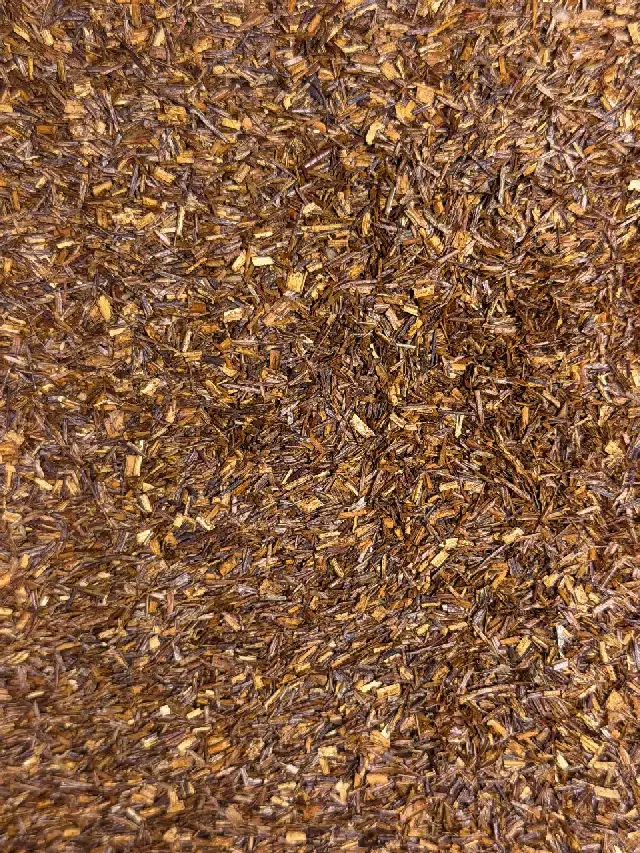
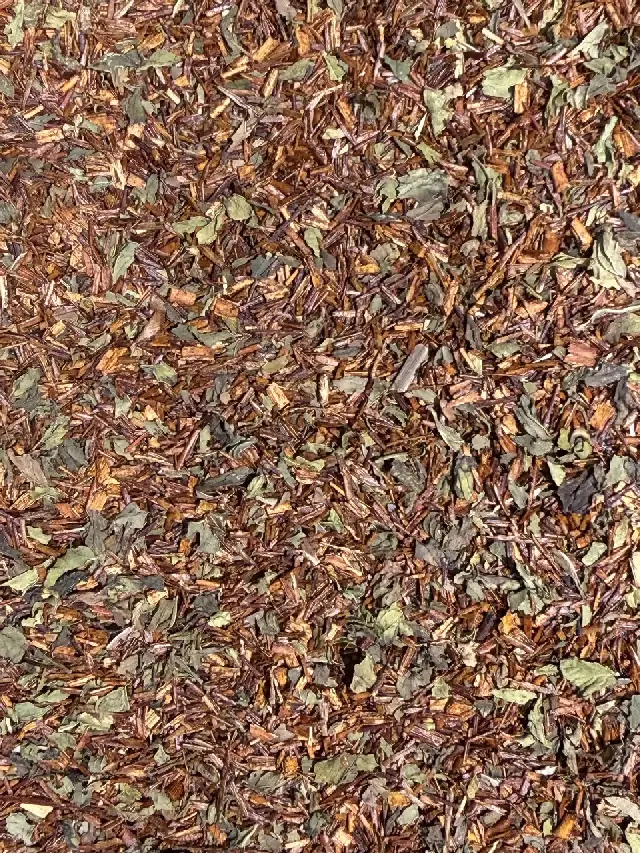
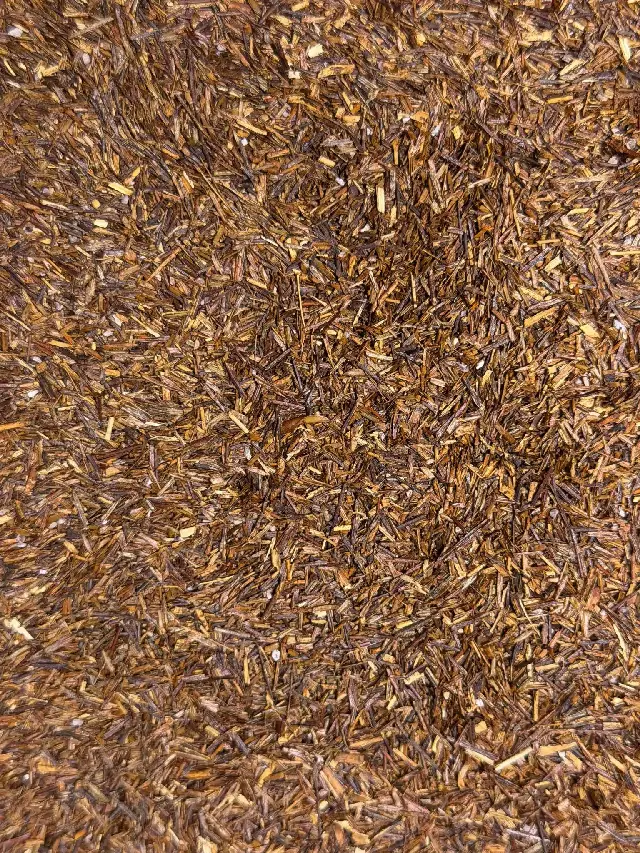
There are red rooibos, oxidised and rounder, and green rooibos, unoxidised and more vegetal. Most often, it is found flavoured:
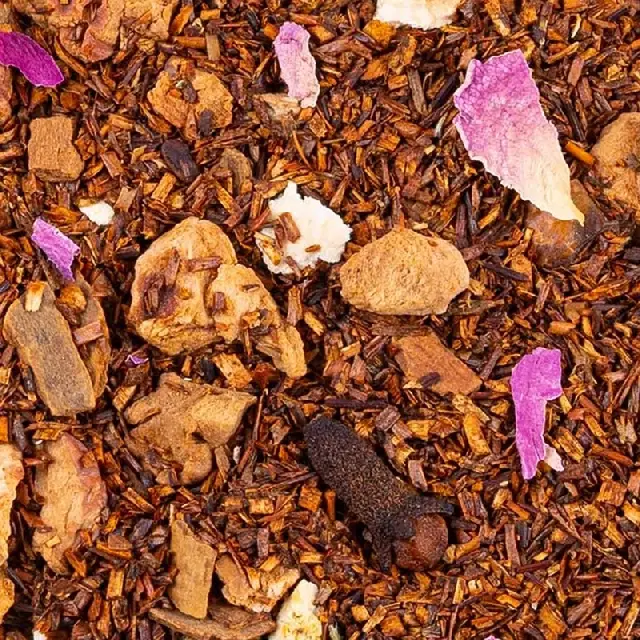
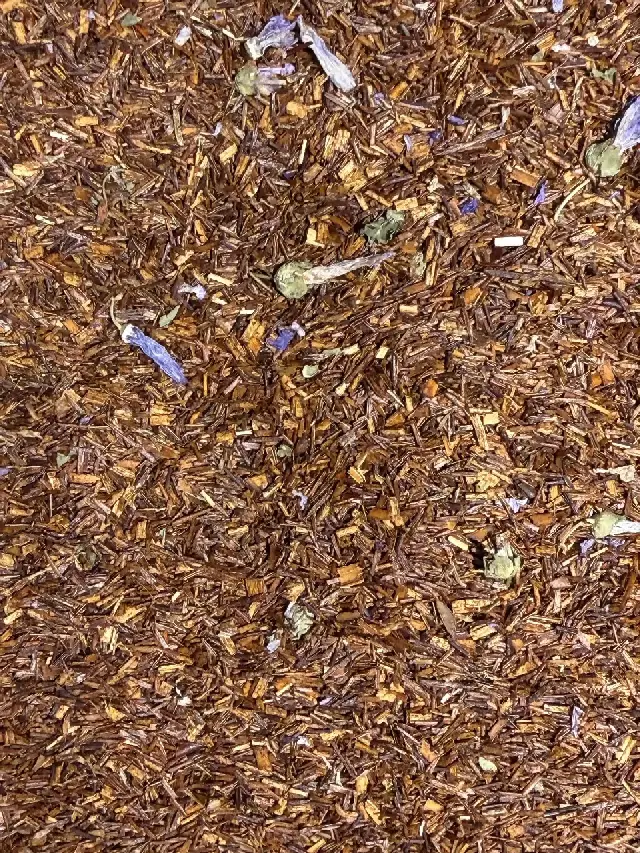
- Rooibos Vanilla: our indulgent version, where the natural sweetness of rooibos meets the roundness of vanilla. A classic enjoyed in the evening.
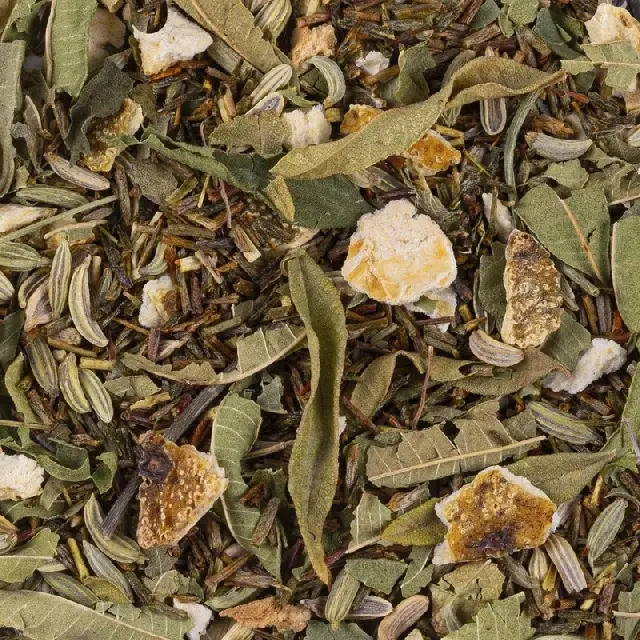
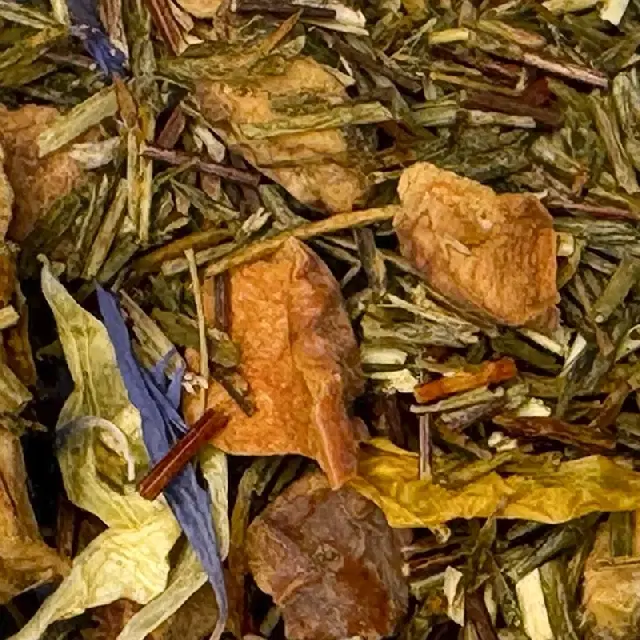
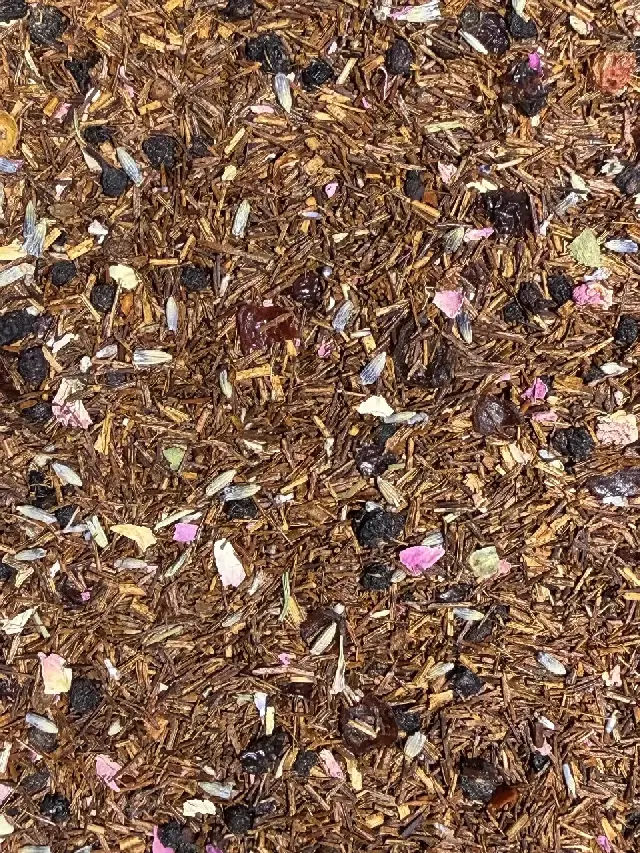
- Rooibos with red berries or citrus, fruity and tangy.
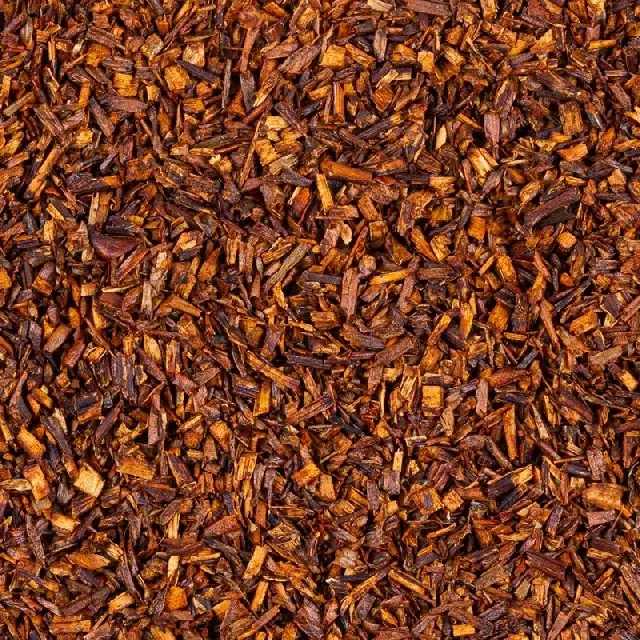
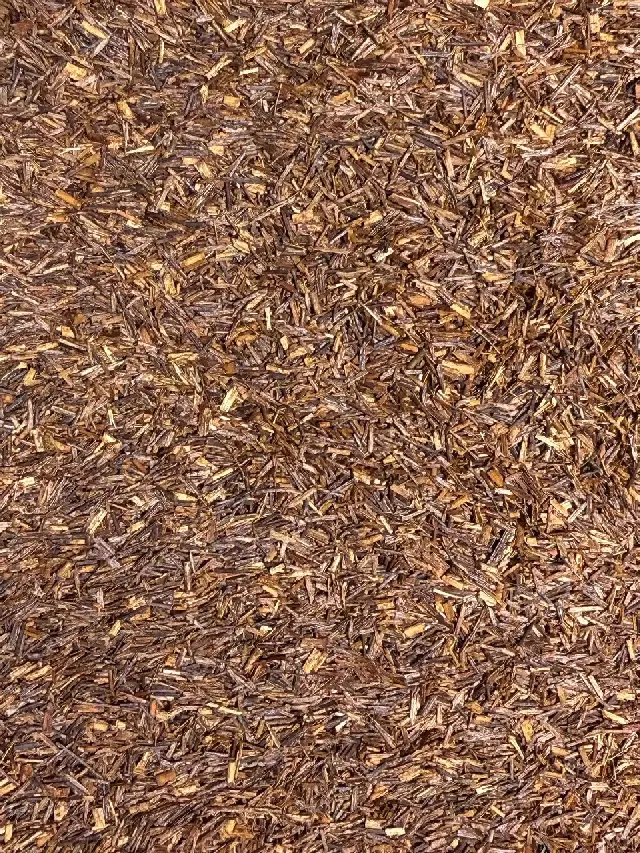
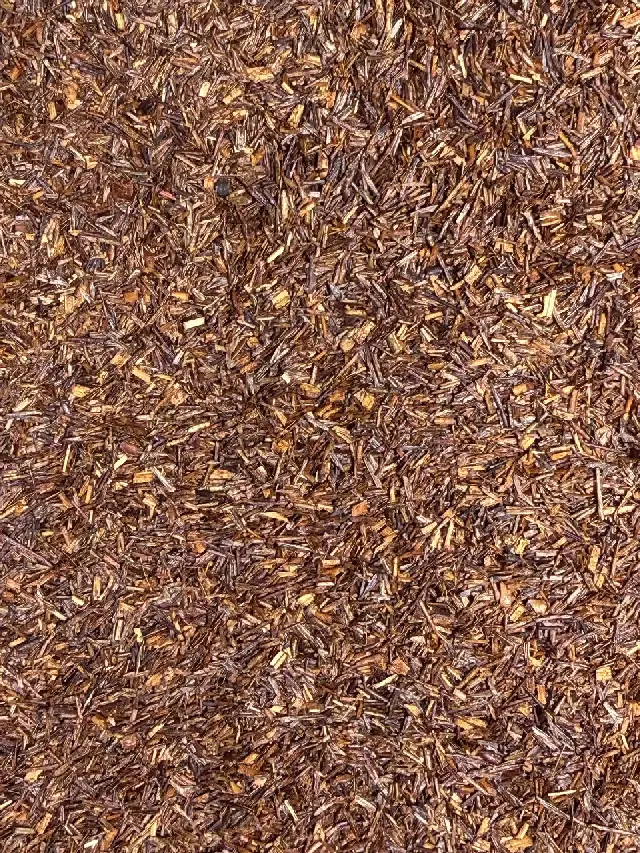
- Plain rooibos, to appreciate its original flavour, woody and slightly sweet.
Preparation
Rooibos is very easy to get right and never becomes bitter, even when steeped for a long time. Guide: 95 to 100 °C, 5 to 7 minutes, 2 to 3 g per 200 ml. You can extend the infusion without risk to intensify the colour and flavour. It is enjoyed plain, with a little milk, or cold as an iced version in summer.
Storage
Airtight, opaque container, away from heat and humidity: the classic rules apply. Flavoured rooibos is best kept within the year to enjoy its added aromas to the full. Plain rooibos, which is more stable, keeps without issue for one to two years.
For whom and for which moment
Caffeine-free, rooibos can be drunk at any hour, including in the evening and at the end of the day. Its natural sweetness appeals to palates that find tea too tannic, and it suits the whole family. It is also a good choice for those who want a comforting hot drink in the evening without giving up the pleasure of a fragrant cup.
| Type | Profile | Temperature | Time |
|---|---|---|---|
| Red rooibos (oxidised) | Round, honeyed, woody | 95-100 °C | 5 to 7 min |
| Green rooibos (unoxidised) | More vegetal and fresh | 95 °C | 5 to 6 min |
| Flavoured rooibos (vanilla) | Soft and indulgent | 95-100 °C | 5 to 7 min |
Frequently asked questions
Is rooibos a tea?
No, rooibos is not a tea. It is an infusion made from a South African shrub, Aspalathus linearis, and not from Camellia sinensis. It is brewed and flavoured like a tea, but it naturally contains no caffeine.
Does rooibos contain caffeine?
No, rooibos is naturally free of caffeine, since it does not come from the tea plant. This is what makes it a hot drink appreciated in the evening and throughout the day, including by those who wish to avoid caffeine.
How do you brew rooibos?
Pour very hot water, 95 to 100 °C, over 2 to 3 g of rooibos per 200 ml, and let it steep for 5 to 7 minutes. Rooibos never becomes bitter: you can extend the infusion without risk to intensify the colour and flavour.
What is the difference between red rooibos and green rooibos?
Red rooibos is oxidised, which gives it a coppery, round and honeyed liquor. Green rooibos is not oxidised: its flavour is fresher and more vegetal, and its liquor paler. Both are caffeine-free.
To go further