
Tea steeping time and water temperature: the complete guide

By the LBDT Sommelier · published on · 4 min read
Reviewed and approved by the La Boutique du Thé team
The same leaf can make a silky cup or a bitter one: everything depends on the water temperature, the steeping time and the measure. Official Mariage Frères stockist since 1999, in Bordeaux and Nice, we share here the guidelines we give every day in our shops, tea type by tea type.
Why water temperature changes everything
The tea leaf concentrates several families of compounds: aromatic oils, amino acids that bring sweetness, and tannins responsible for astringency. Water extracts them at different speeds depending on its temperature. Very hot, it releases everything at once, tannins included: the cup becomes harsh and bitterness masks the aromas. Cooler, it lets the delicate notes express themselves without awakening the astringency.
Each type therefore calls for its own setting. A black tea, whose leaves have been oxidised, tolerates water close to boiling. A Japanese green tea, steamed to preserve its vegetal freshness, requires much gentler water. Time works in the same direction as temperature: the hotter the water, the shorter the infusion should be. Remembering these two levers is enough to transform your cups for good.
What temperature for green tea and white tea?
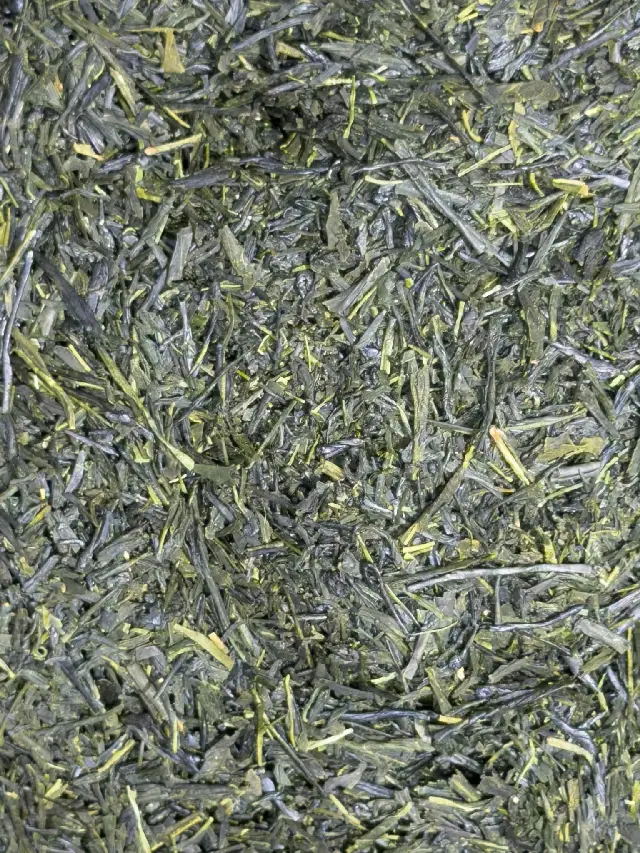
Japanese green teas, sencha first among them, are steeped at 60 to 70 °C for one to two minutes. It is within this range that a quality sencha keeps its vegetal, marine sweetness, without any harshness. Chinese green teas, with more roasted or floral notes, accept water at 70 to 80 °C for two to three minutes of steeping.
White teas, very little handled after picking, like water at 70 to 85 degrees and a patient steeping of five to seven minutes, which allows their notes of flowers and honey to rise. Matcha, for its part, is not steeped: this powder of stone-ground tencha is whisked with the chasen, the bamboo whisk, in water at around 80 degrees, between 70 and 80, never boiling.
Oolong, black tea, pu-erh, rooibos: the steeping times to know
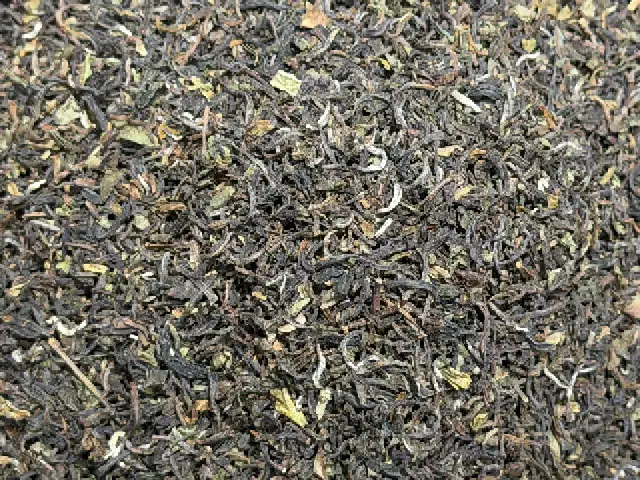
Oolongs, partially oxidised, open up at 85 to 95 °C, for four to five minutes in a teapot. Black teas require water at 90 to 95 °C and three to five minutes: a flavoured classic such as Marco Polo by Mariage Frères happily steeps for four to five minutes, whereas a more delicate first flush Darjeeling will prefer the lower end of the range, in both time and temperature.
Pu-erh, leader of the dark teas, the only truly fermented teas, is steeped at 95 °C for four to five minutes. Rooibos and herbal infusions require simmering water, at 90 to 100 °C, and an infusion of at least five minutes. As rooibos is naturally caffeine-free, it is very well suited to the evening, even when steeped for a long time.
What measure for tea, and which water to use?
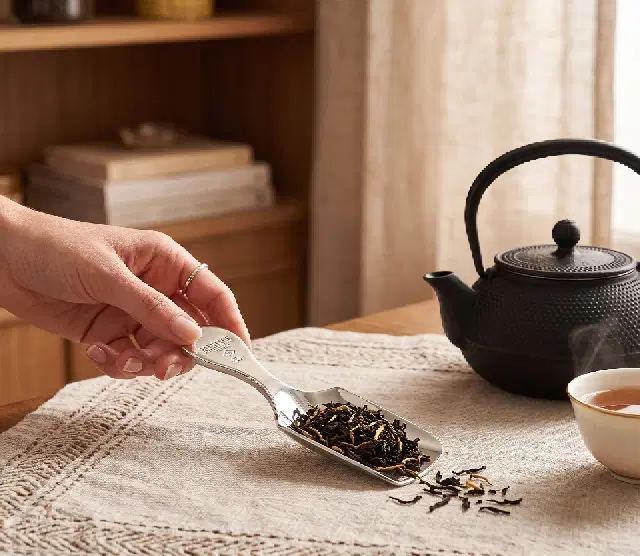
The usual guideline is 2 grams of leaves per 200 ml of water, or about one well-filled teaspoon per cup. Then adjust to your taste, but in the right way: for a stronger cup, increase the quantity of leaves rather than the steeping time. You will gain intensity without tipping into bitterness.
Water matters as much as the leaf. Choose filtered water or a spring water low in minerals: limescale hardens the cup and dulls the aromas. Never reboil water that has already been heated: depleted of oxygen, it gives a flat tea with no depth. Heat just the right amount, at the right moment.
Common mistakes that spoil a cup
The first mistake is pouring boiling water over a green tea: the tannins take over within seconds and the cup turns bitter, whatever the quality of the leaf. The second is over-steeping, often through simple distraction. Beyond the recommended time, a tea does not become stronger, it becomes more astringent.
A tea bag forgotten in the cup combines both faults, since extraction continues for as long as the leaves sit in the water. Remove them at the stated time, or pour the tea into a second teapot to stop the steeping at once. This simple habit improves the result more than any change of tea.
The right equipment for steeping your tea well
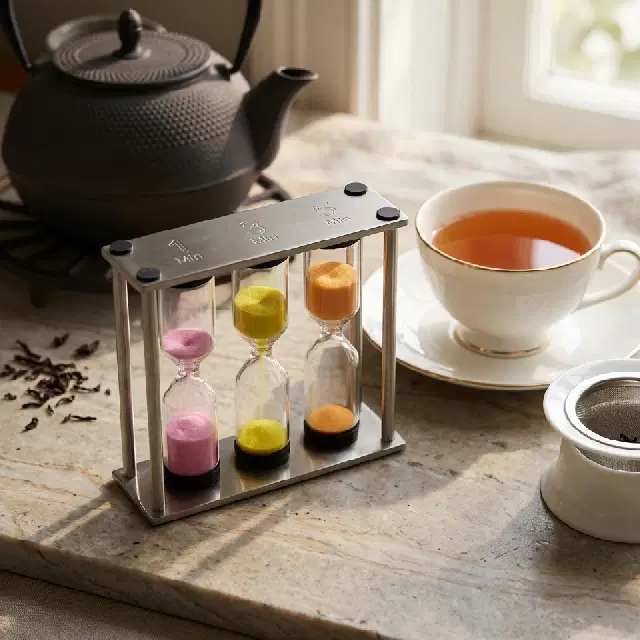
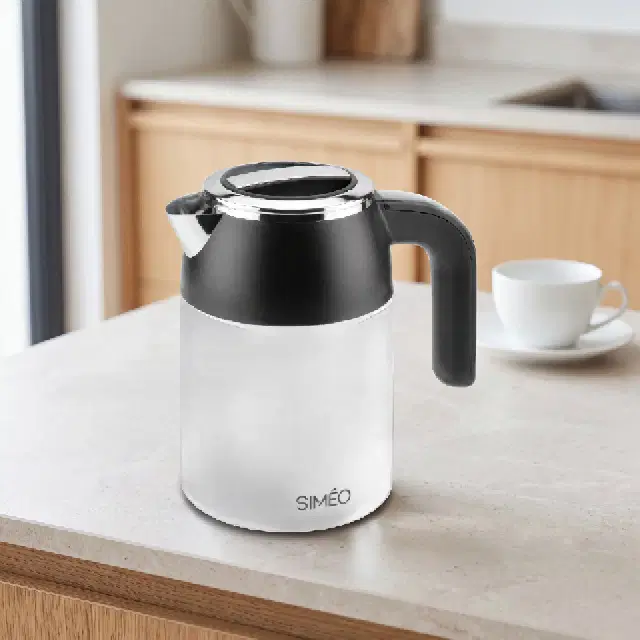
Three items are enough. A teapot with a wide infuser, which lets the leaves unfurl and then lifts out in one movement. A temperature-controlled kettle, which removes all guesswork: 70 degrees for a sencha, 95 for a black tea, with no thermometer and no trial and error. And a timer, the one on your phone is perfectly fine, the key to consistency from one cup to the next.
Finally, bear in mind that these ranges are guidelines for each type: every product page on our website gives the exact water temperature, steeping time and measure for that tea, as we recommend them in our shops. If in doubt, these instructions always take precedence over the general rules.
The sommelier's selection
Frequently asked questions
What water temperature for green tea?
Between 60 and 70 degrees for a Japanese green tea such as sencha, between 70 and 80 degrees for a Chinese green tea. Boiling water must be avoided: it scorches the leaf and makes the cup bitter. A temperature-controlled kettle, or water boiled and then left to rest for a few minutes, will help you reach the right temperature.
How long should tea be left to steep?
Allow one to two minutes for a Japanese green, two to three for a Chinese green, three to five for a black tea, four to five for an oolong or a pu-erh, and at least five minutes for a white tea, a rooibos or a herbal infusion. Beyond the recommended time, tea gains astringency, not quality.
Why is my tea bitter?
In the vast majority of cases, the water was too hot or the steeping too long, and too many tannins were extracted. Try the same leaf again with cooler water, a shorter time and a measure of 2 grams per 200 ml. For more strength, increase the amount of leaves rather than the time.
Can the same leaves be steeped several times?
Yes, and it is even recommended for oolongs and fine green teas, whose whole leaves can be re-steeped two to three times in succession. Shorten the first steeping slightly and lengthen the following ones a little. Each infusion reveals a different facet of the same tea.
To go further
More guides from the house
- Gong fu cha: brewing tea the Chinese way in a gaiwan, with short infusionsGong fu cha means plenty of leaves, little water and infusions of a few seconds: equipment, gaiwan technique, timings and teas to start with.Read the guide →
- Building a tea gift set, step by stepBuilding a tea gift set: the size, from 4 to 12 teas, the common thread, the balance of flavours and caffeine, and our ready-made gift sets.Read the guide →
- Homemade chai: the spiced winter recipe, and its variationsThe homemade chai (masala chai) recipe in a saucepan: black tea, milk, cinnamon, cardamom, ginger. The measures, chai latte and the caffeine-free version.Read the guide →