
Loose leaf tea
538 results
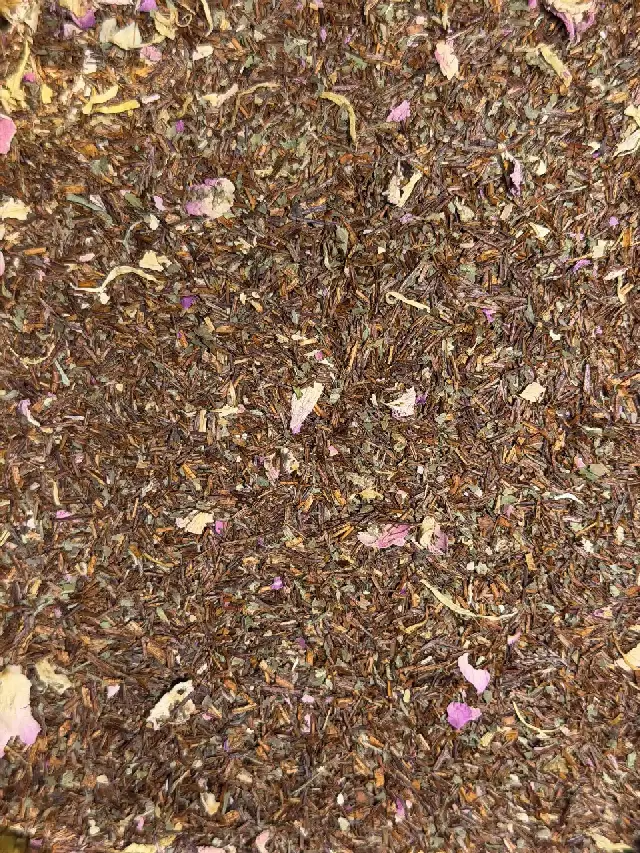
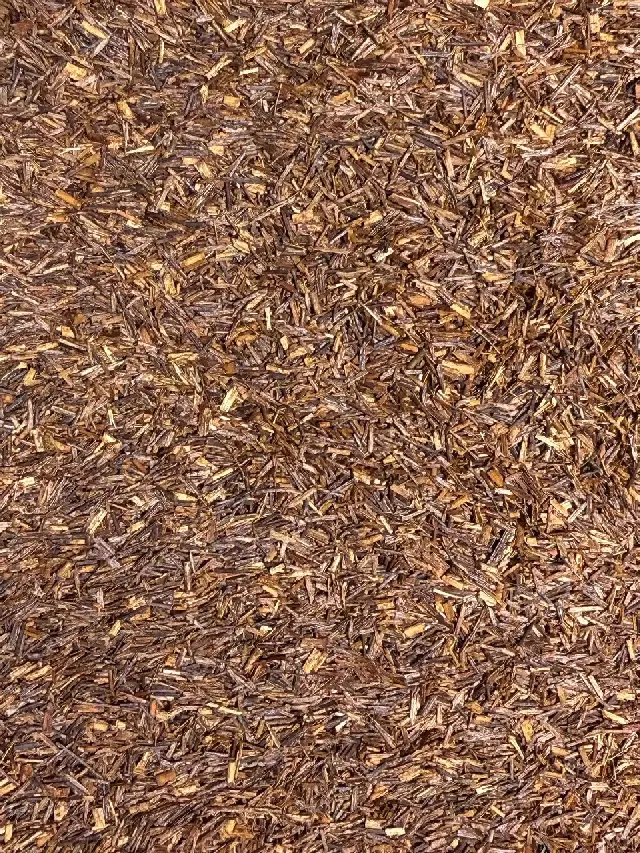
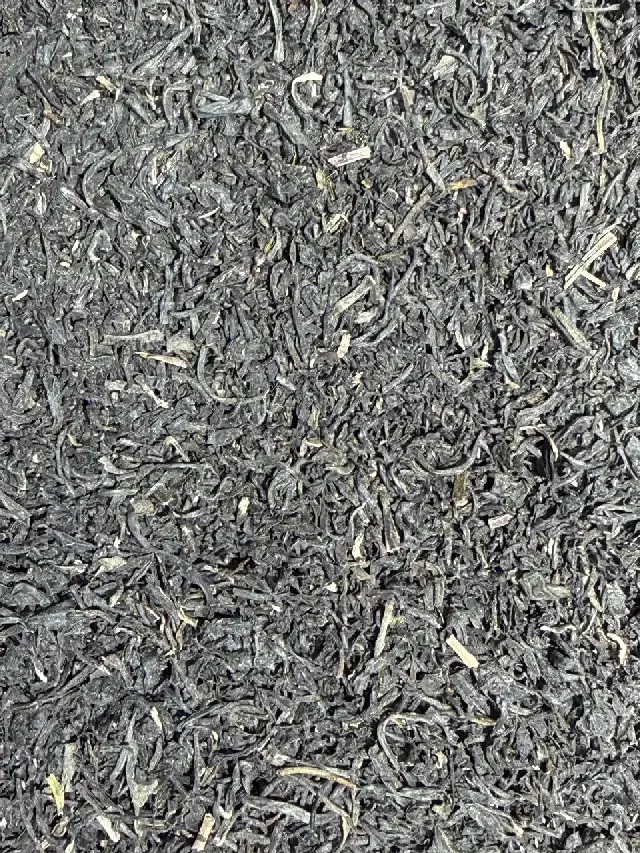
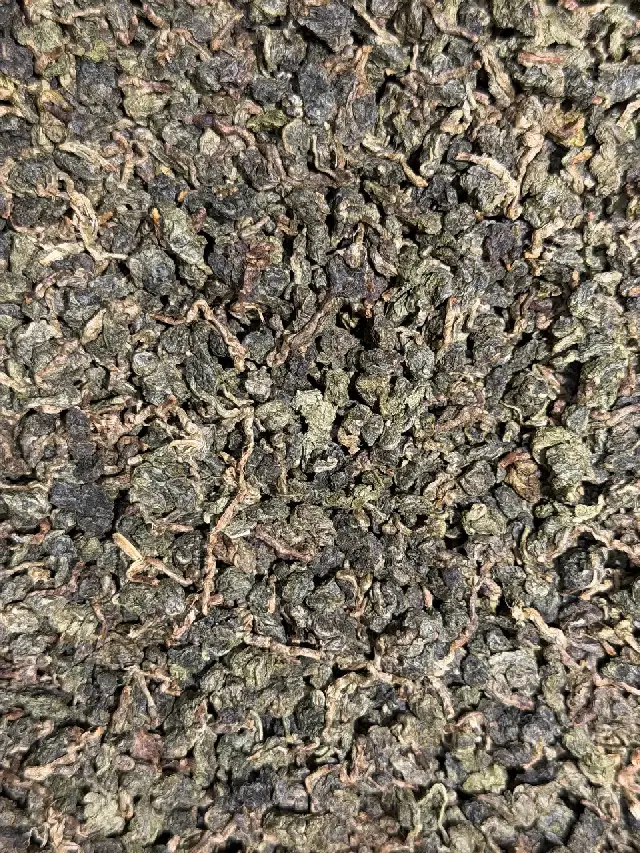
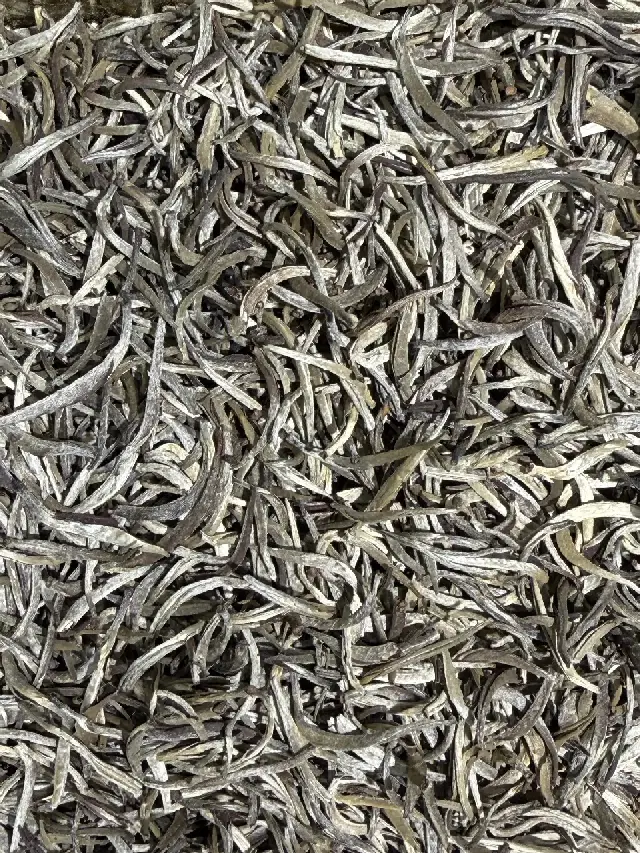
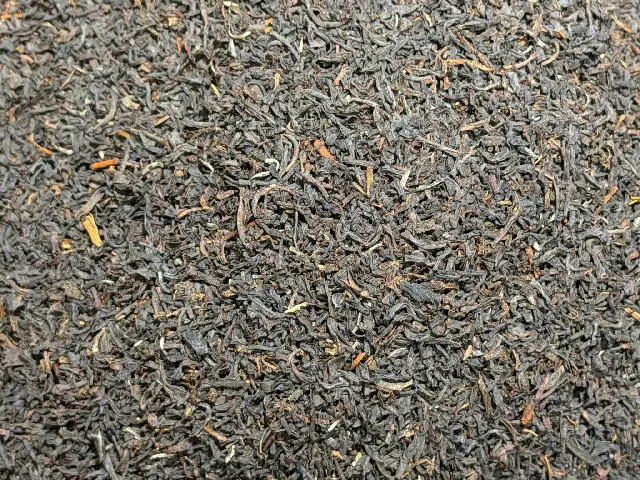
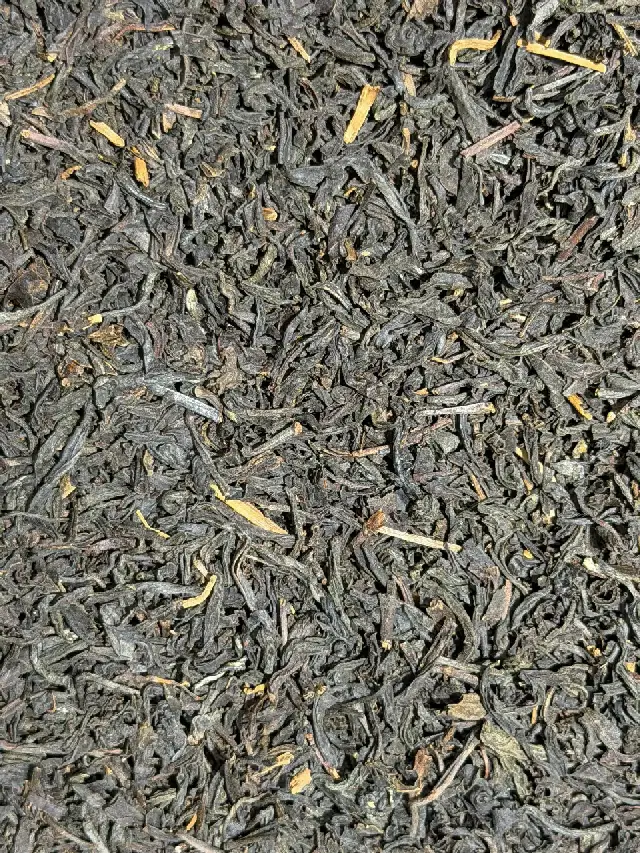

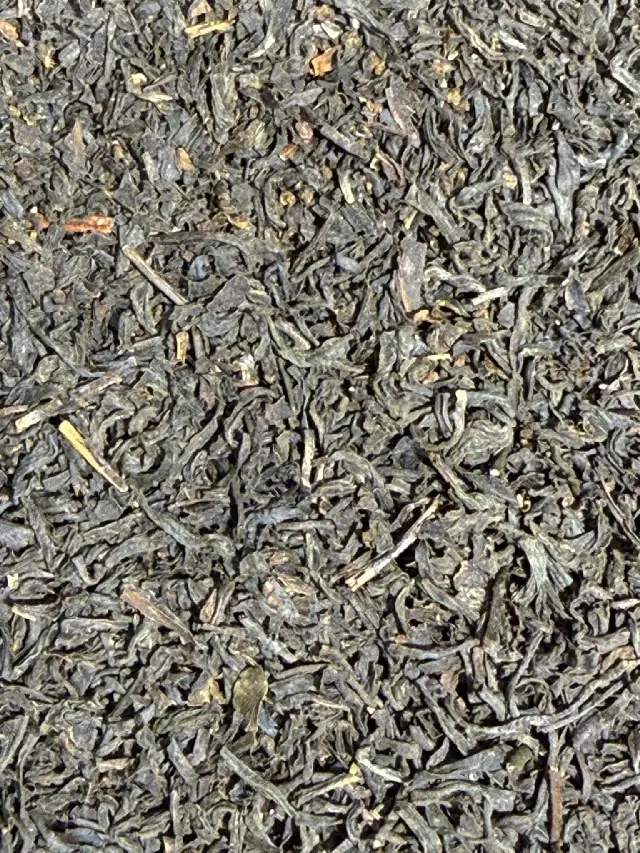
Loose leaf
Loose leaf tea
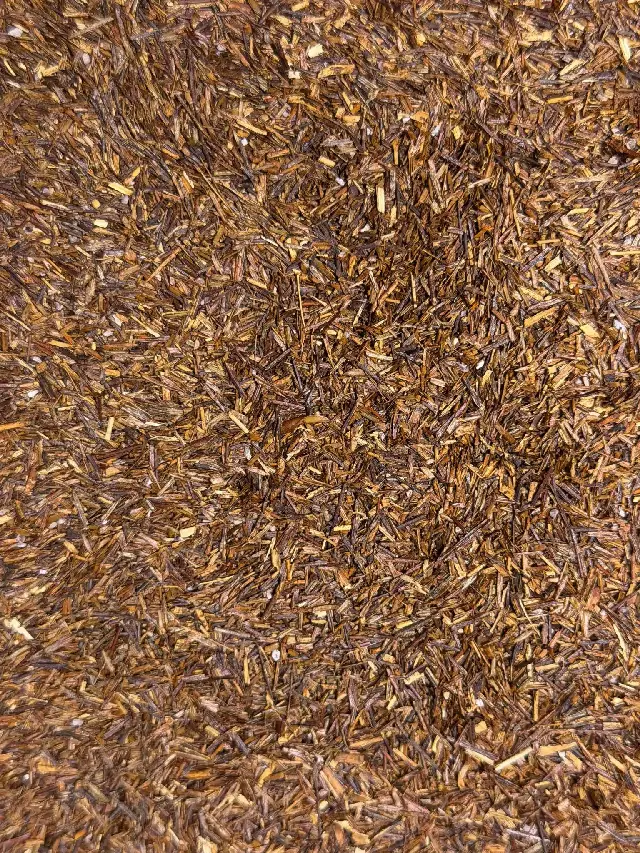
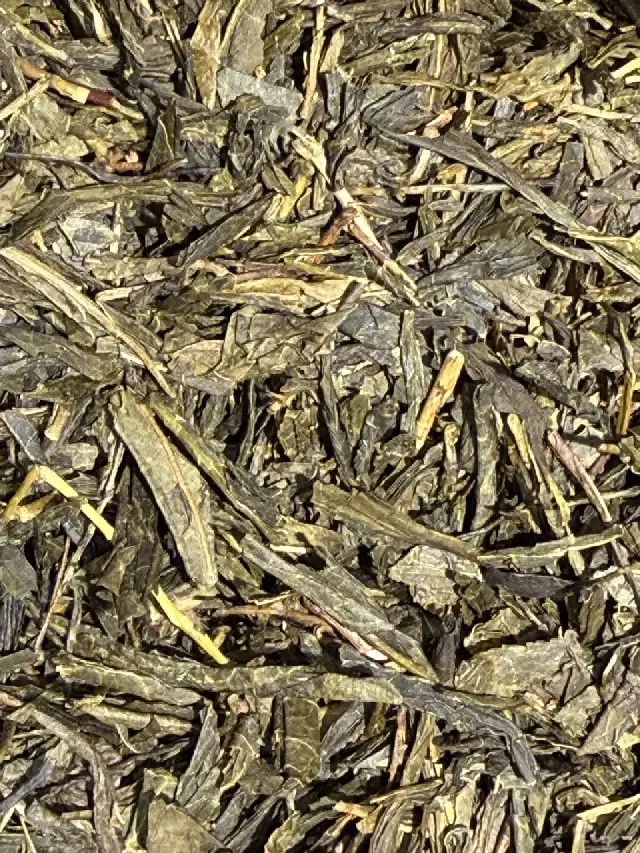
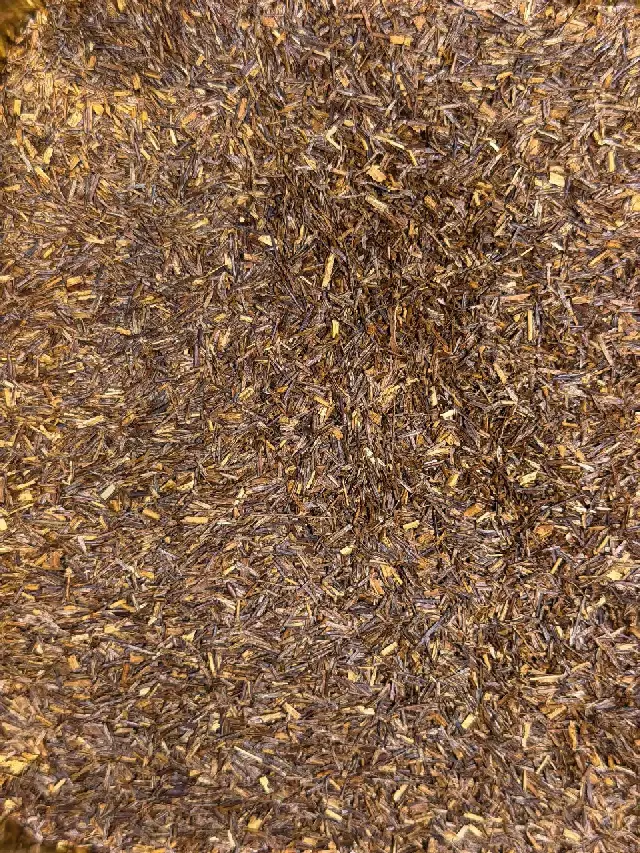
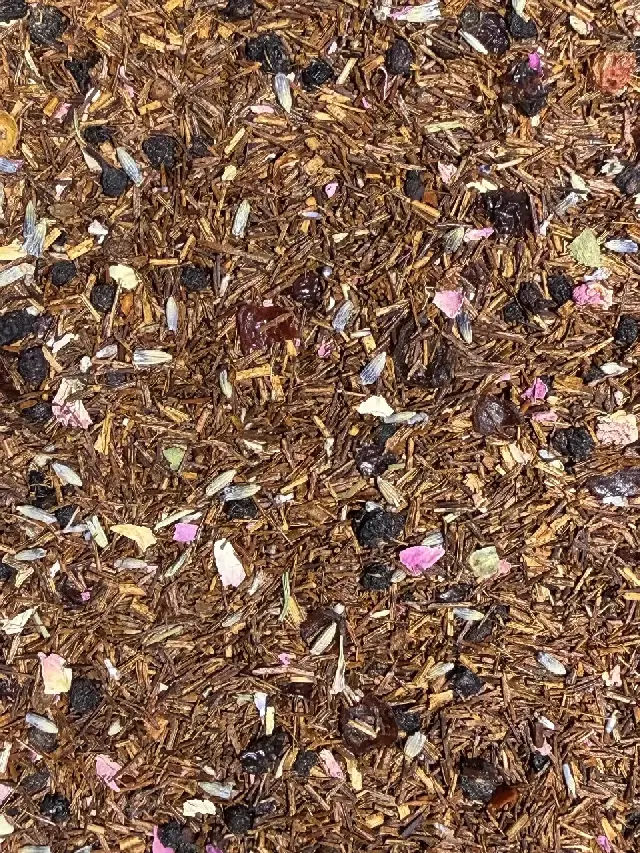
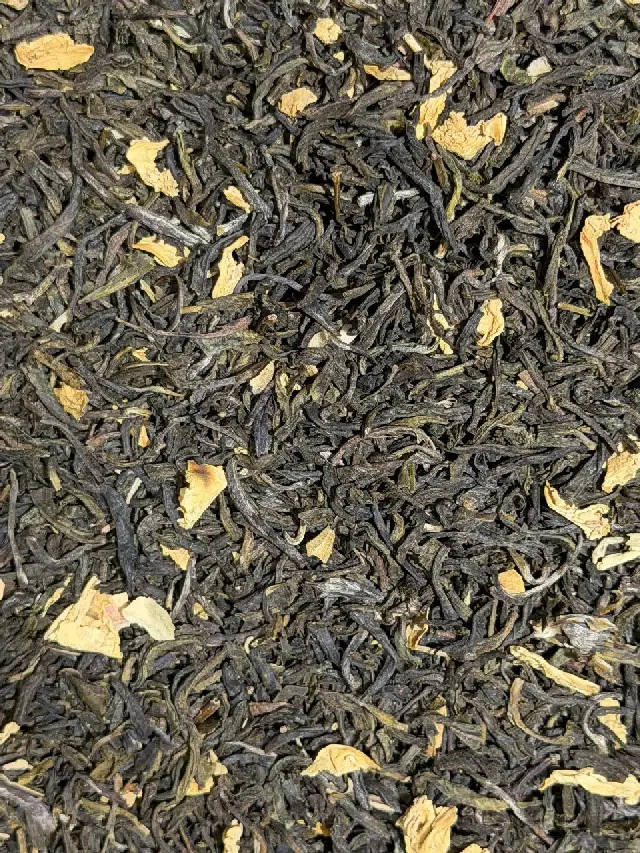
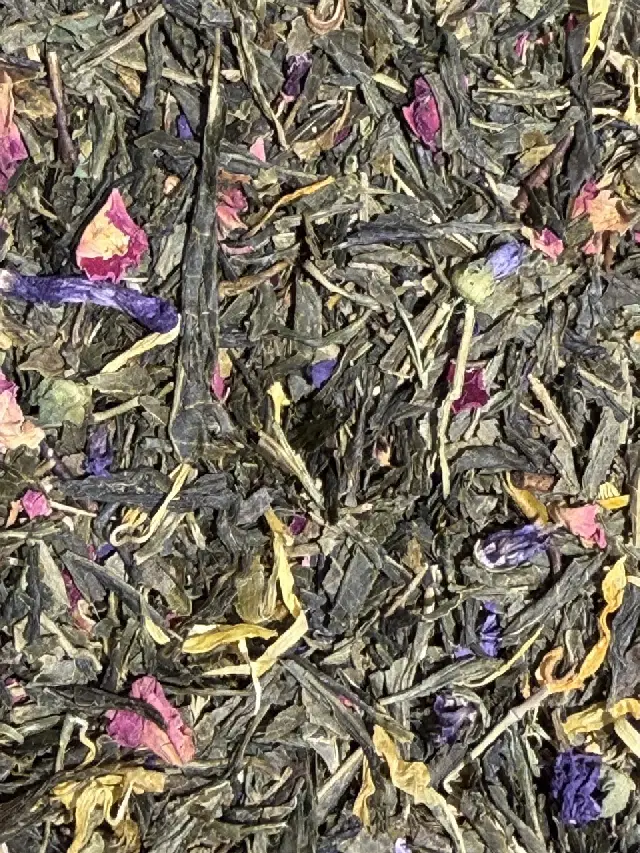
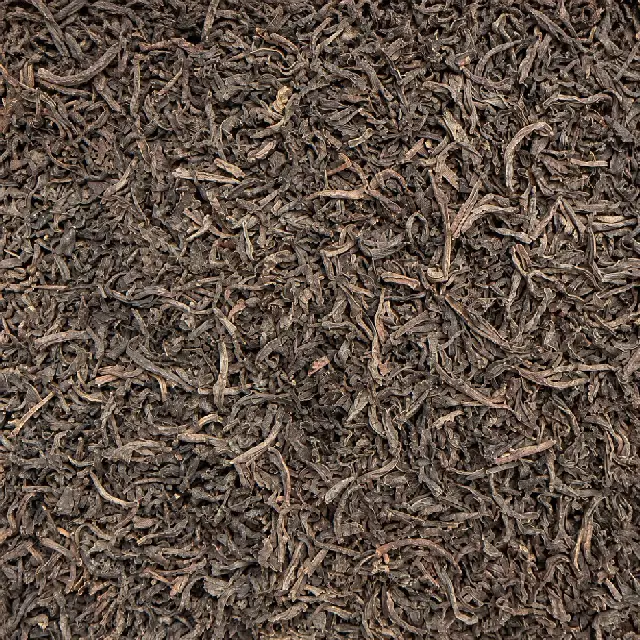
Loose leaf tea is sold as free leaves, without a tea bag, which you measure yourself before infusing. This format gives access to the most whole leaves and superior qualities, while leaving everyone free to adjust the quantity, the number of infusions and the strength of the cup.

Reviewed and approved by the La Boutique du Thé team
Definition
Buying loose leaf tea means choosing unpackaged leaves, stored in a tin or a resealable kraft pouch rather than in tea bags. The leaves have room to unfurl during infusion, which fully releases the aromas. This is the reference format for grands crus such as Gyokuro or Darjeeling First Flush, whose quality rests precisely on the integrity of the leaf.
Our selection
Loose leaf covers every tea family. For everyday generosity, Marco Polo and Thé des Impressionnistes are very popular scented black teas. On the Japanese green side, Sakura and Matcha d'Uji offer two opposite experiences, one delicate and floral, the other intense and vegetal. Lovers of character will turn to the smoked Lapsang Souchong or the Pu-erh Impérial.
- Marco Polo (black, China): fruity and round, a safe bet.
- Gyokuro (green, Japan): deep umami, to be infused at a low temperature.
- Formosa oolong: between green and black, woody and floral notes.
Preparation
Loose leaf allows precise measuring. Allow around 2 to 3 g of leaves per 200 ml of water, to be adjusted to your taste. Temperatures and times vary by family.
- Japanese green tea: 60 to 70 °C, 1 to 2 min.
- Black tea: 90 to 95 °C, 3 to 4 min.
- Oolong: 85 to 90 °C, 3 to 5 min, several infusions possible.
Storage
Store loose leaf tea in an airtight, opaque tin, away from light, heat and odours. Avoid the refrigerator, which introduces moisture. A dedicated tea caddy preserves the freshness of the leaves, especially for greens, which are more fragile.
Usage and advice
Loose leaf is for those who want to control their cup: measuring more or less strongly, re-infusing an oolong or a pu-erh three or four times, blending their own combinations. A wide tea filter or a teapot with a built-in infuser is enough to start. It is also the most economical format per gram on the references followed.
| Family | Measure | Water temperature | Steeping time |
|---|---|---|---|
| Japanese green tea | 2 g | 60 to 70 °C | 1 to 2 min |
| Black tea | 2.5 g | 90 to 95 °C | 3 to 4 min |
| Oolong | 3 g | 85 to 90 °C | 3 to 5 min |
| White tea | 2.5 g | 75 to 85 °C | 4 to 7 min |
Frequently asked questions
How many grams of loose leaf tea for one cup?
Allow around 2 to 3 g of leaves per 200 ml of water, or roughly one heaped teaspoon. Adjust to the strength you prefer and to the tea family, as Japanese greens often need a slightly higher measure.
Does loose leaf tea keep for a long time?
Stored in an airtight, opaque tin, a black tea or an oolong keeps its qualities for one to two years. Greener teas, being more fragile, are best drunk within six to twelve months to enjoy their freshness.
Is a special accessory needed to infuse loose leaf tea?
A simple wide tea filter or a teapot with a built-in infuser is enough. The essential thing is to leave room for the leaves to unfurl. Avoid tea balls that are too narrow, as they restrict the infusion.
Does loose leaf tea cost more than tea bags?
By the gram, loose leaf is often more economical on the references followed, and it can be re-infused for certain families such as oolong or pu-erh. The cost per cup is therefore frequently lower than that of a tea bag of equivalent quality.
To go further