
The Mariage Frères journey · Nature Route · Stopover 2 out of 10
Ceylon & Assam, gaining strength
Sri Lanka - Ceylon · India Assam
First movement
Boarding
The essentials at a glance
Sri Lanka - Ceylon · India Assam
The house selection: Sultane · Ratnapura · Jamirah · Chardwar
These two families to taste, and a gold stamp to collect by rating your tastings.
Second movement
The port of call lesson
This stopover opens with these two families: you already know how to brew them from the tea school; now meet the house's great names.
Ceylon tea
On the island of Ceylon, now Sri Lanka, tea was born of a disaster: coffee rust, in 1869, wiped out the plantations within a few years. The planters turned to the tea plant, which a Scotsman, James Taylor, had managed to acclimatise as early as 1867 at Loolecondera, near Kandy. The island was then covered with terraced gardens, from the coast to the mountains. Today, seven regions, from Uva to Nuwara Eliya, each have their own style: the higher the garden, the brighter, clearer and more fragrant the cup; the lower, the stronger and more richly coloured. Lively, coppery, with citrus-like clarity, Ceylon remains one of the world's most loved black teas, plain or with milk.
Assam tea
In the Brahmaputra valley, in north-east India, grows a singular tea plant: Camellia sinensis assamica, with broad leaves, the only truly native tea variety outside China. The Singpho tribe had been brewing it for centuries when, in 1823, the Scotsman Robert Bruce discovered it for the West. From this robust plant comes the strongest of teas: a dark, coppery liquor with the famous malty note, bold and rounded at once. The world's leading producing region, Assam yields its finest leaves at the summer “second flush”, bristling with golden tips. Full-bodied and invigorating, it calls for milk: it is the tea of English mornings and the soul of English Breakfast blends.
Third movement
Tasting at home
The Stopover Discovery Trunk 2
Ceylon tea
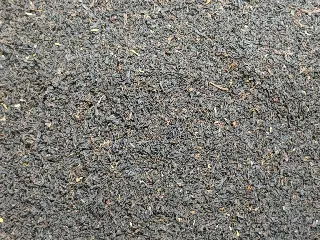
Sultane
A broken-leaf black tea, bold and bright, made for the morning.
The house classes Sultane among its morning blends: not a single garden but a composition of black teas, built for vigour. Its leaves are broken, and this is not a flaw but a choice. A broken leaf offers more surface to the water: the infusion is quicker, the liquor more richly coloured, the character bolder. This is the principle of morning teas, those that must stand up to a dash of milk without fading. The cup is amber, bright, invigorating. A straightforward, generous black tea to open the day.
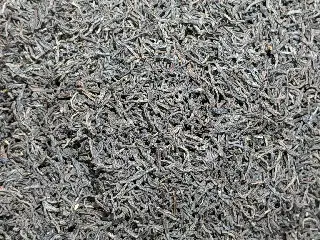
Ratnapura
The Ceylon from the Vithan garden: rounded, bold, a deep copper.
Ratnapura means “city of gems” in Sinhalese: the region lives from sapphires and rubies as much as from tea. The Vithan garden there produces a Ceylon with a bold personality, very different from the island's delicate high-grown teas. The liquor is amber, coppery, with an invigorating roundness that never fades. It is an all-day tea, as good with breakfast as in the late afternoon, plain or with a dash of milk. Ceylon at its most generous.
Assam tea

Jamirah
The strong Assam of the Brahmaputra valley: dark, malty, bold.
Jamirah takes us into the Brahmaputra valley, in Assam, the world's leading tea-producing region. Here grows Camellia sinensis assamica, the giant broad-leaved tea plant that yields the strongest black teas. The cup is dark, coppery, carried by the malty note that is Assam's signature, a roundness of toasted bread and ripe fruit. Bold and full-bodied, it takes milk without fading and awakens the morning. It is the generous black tea par excellence, the one that built the reputation of the great breakfast teas.
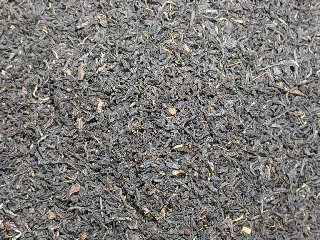
Chardwar
A second-flush Assam with golden tips: rounded, honeyed, warming.
Chardwar continues the journey in Assam, on the banks of the great river where summer fills the leaf with sap. It is at the “second flush”, in the heart of the hot season, that Assam gives its very best: dark leaves flecked with golden tips, a promise of softness and maturity. The liquor gains a honeyed roundness, a deep maltiness, a velvety rather than biting strength. Served plain, it reveals its complexity; with a dash of milk, it becomes comfort itself. Assam in all its generosity, coppery and warming.
The complete stopover trunk 2
These two families · 4 teas in the default format of each product page
CHF 43.70 i.e. ≈ CHF 0.44 the cup of excellence (based on the measure taught, 2 to 3 g of tea per cup)
The stopover protocol
The Ceylons: Sultane & Ratnapura
Water at 95 °C, 5 minutes. Look for coppery clarity and bold character: the Sultane, with its broken leaves, gives the liveliest cup; the Ratnapura, rounder, stands up best to a dash of milk.
The Assams: Jamirah & Chardwar
Water at 95 °C, 3 to 4 minutes. Look for the famous malty note and roundness; a dash of milk suits them beautifully.
The traveller's ritual
Taste in this order: first the Sultane, then the Ratnapura for the Ceylons; move on to the Jamirah and finish with the Chardwar. From the liveliest to the strongest: this is the stopover's rise in power.
The Grand Trunk of the Route
All ten stopovers at once: the entire selection Nature delivered in three instalments.
The “Le Voyageur” subscription
One stopover a month for ten months: the trunk, the story and the protocol arrive at your door.
Subscribe to the journey