
Indian tea: Assam, Darjeeling, Nilgiri, three regions and three cups

By the LBDT Sommelier · published on · 7 min read
Reviewed and approved by the La Boutique du Thé team
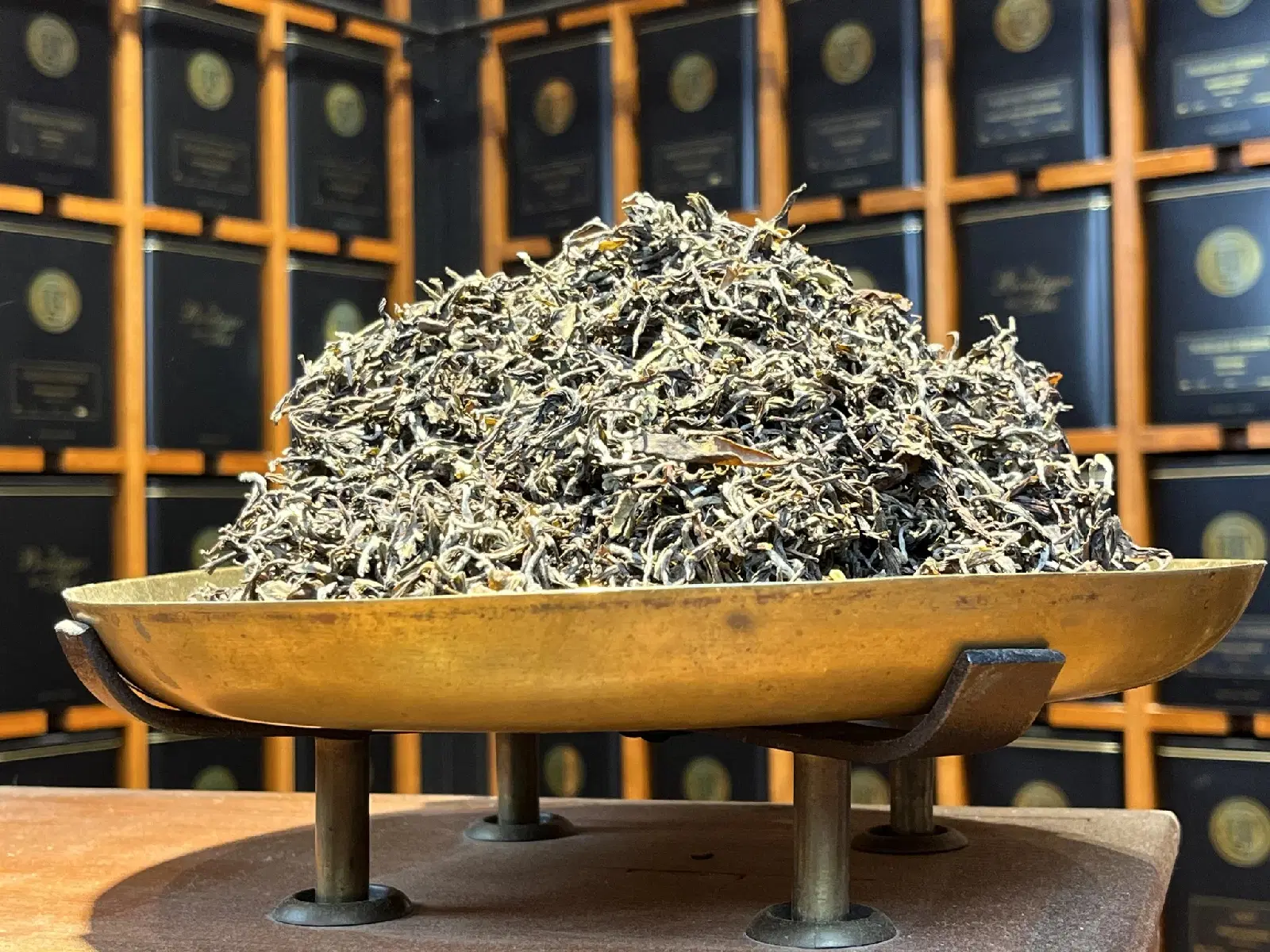
Indian tea is mainly black tea, whose taste depends on its region: full-bodied and malty in Assam, fine and fruity in Darjeeling, bright and fragrant in the Nilgiris. Here is what sets these three regions and Arunachal Pradesh apart, the teas on our product pages that come from them, their settings, and how to choose between an Assam and a Darjeeling.
Which teas come from India?
India produces mainly black teas, and their taste depends first and foremost on the region. Three names recur on labels: Assam, a humid plain in the north-east; Darjeeling, sloping gardens at the foot of the Himalayas; the Nilgiris, mountains in the south. The terrain, the altitude and even the variety of tea plant change from one region to another, so much so that an Assam and a Darjeeling barely resemble each other in the cup.
Assam's tea plants belong to the assamica variety, with large leaves, which was found growing wild in the region. In Darjeeling, the Chinese variety, sinensis, was planted, better suited to the slopes, the mist and the coolness of altitude. Other, lesser-known regions also produce tea, such as Arunachal Pradesh, in the far north-east, where Donyi Polo comes from.
| Region | Location | Altitude of the gardens | Style in the cup | Our teas |
|---|---|---|---|---|
| Assam | North-east, Brahmaputra valley | Plain, close to sea level | Full-bodied, malty, coppery liquor | Chardwar FTGFOP1, Bhubrighat, Ethelwold GBOP |
| Darjeeling | North, Himalayan foothills | From 600 to 2,000 m | Fine, fruity, muscatel notes | Margaret's Hope 2023, Ambootia · SFTGFOP1, Moonshine Glenburn |
| Nilgiri | South, Western Ghats (Tamil Nadu) | From 1,000 to 2,500 m | Bright, fragrant, supple tannins | Thiashola FOP |
| Arunachal Pradesh | Far north-east, at the foot of the Himalayas | Himalayan foothills | Rounded, malty, without harshness | Donyi Polo |
Assam tea: lowland teas, full-bodied and malty
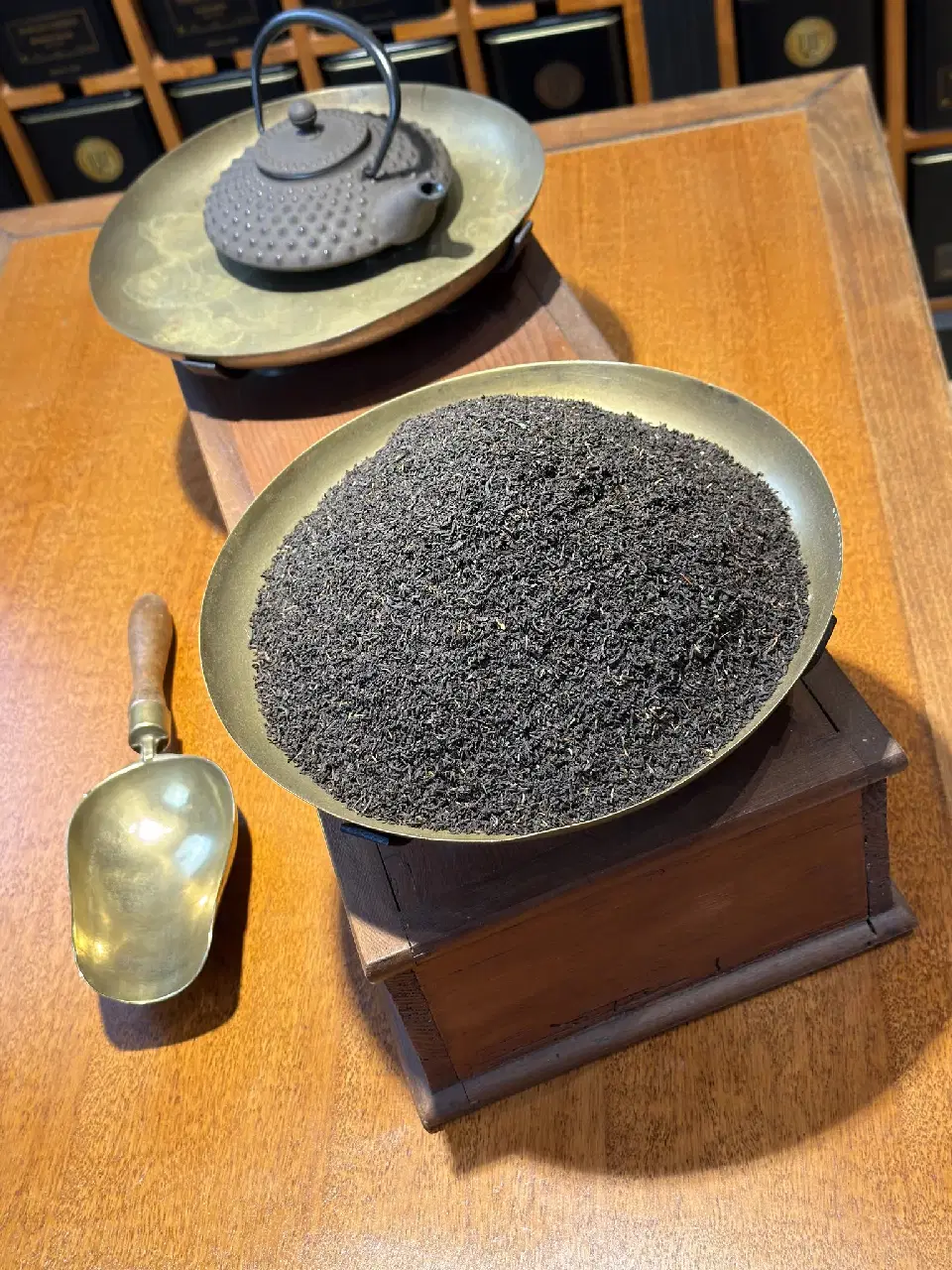
Assam is the largest tea-producing region in the world. Its gardens stretch along both sides of the Brahmaputra, almost at sea level, in a hot and very humid monsoon climate. The leaf grows quickly there and gives black teas with body, a malty taste and a dark, coppery liquor: these are the teas found in morning blends.
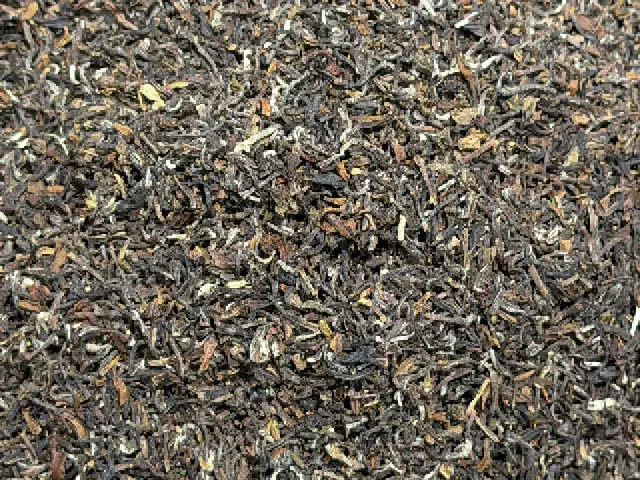
Chardwar FTGFOP1 shows this style in whole leaves: its product page announces candied fruit and gentle spice from the dry leaf onwards, then a full-bodied cup with garnet-red glints. Bhubrighat, from a garden founded in 1892 near the Bangladesh border, has a gingerbread nose and notes of prune and candied fig. Both are FTGFOP1, fine leaves rich in golden buds.
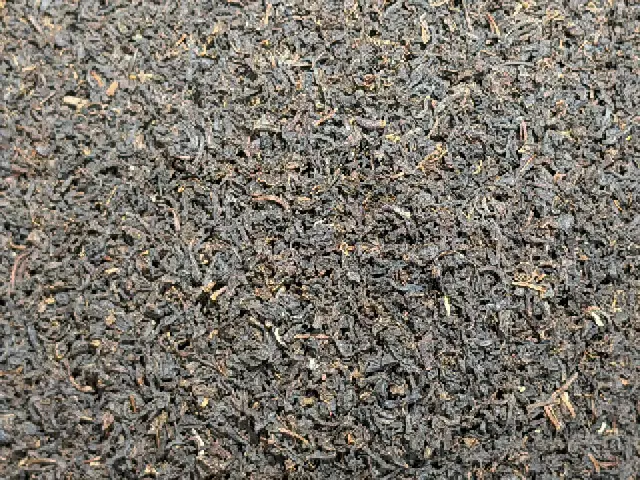
Ethelwold GBOP takes another path: its leaf is deliberately broken, which gives a quicker, denser infusion. Its product page describes a tight maltiness, notes of candied black plum and cocoa bean, and recommends just 2 minutes' steeping. It is the quickest to steep of our Assams, and its product page intends it for a full breakfast, eggs and toast included.
Darjeeling tea: high-altitude gardens, one harvest per season
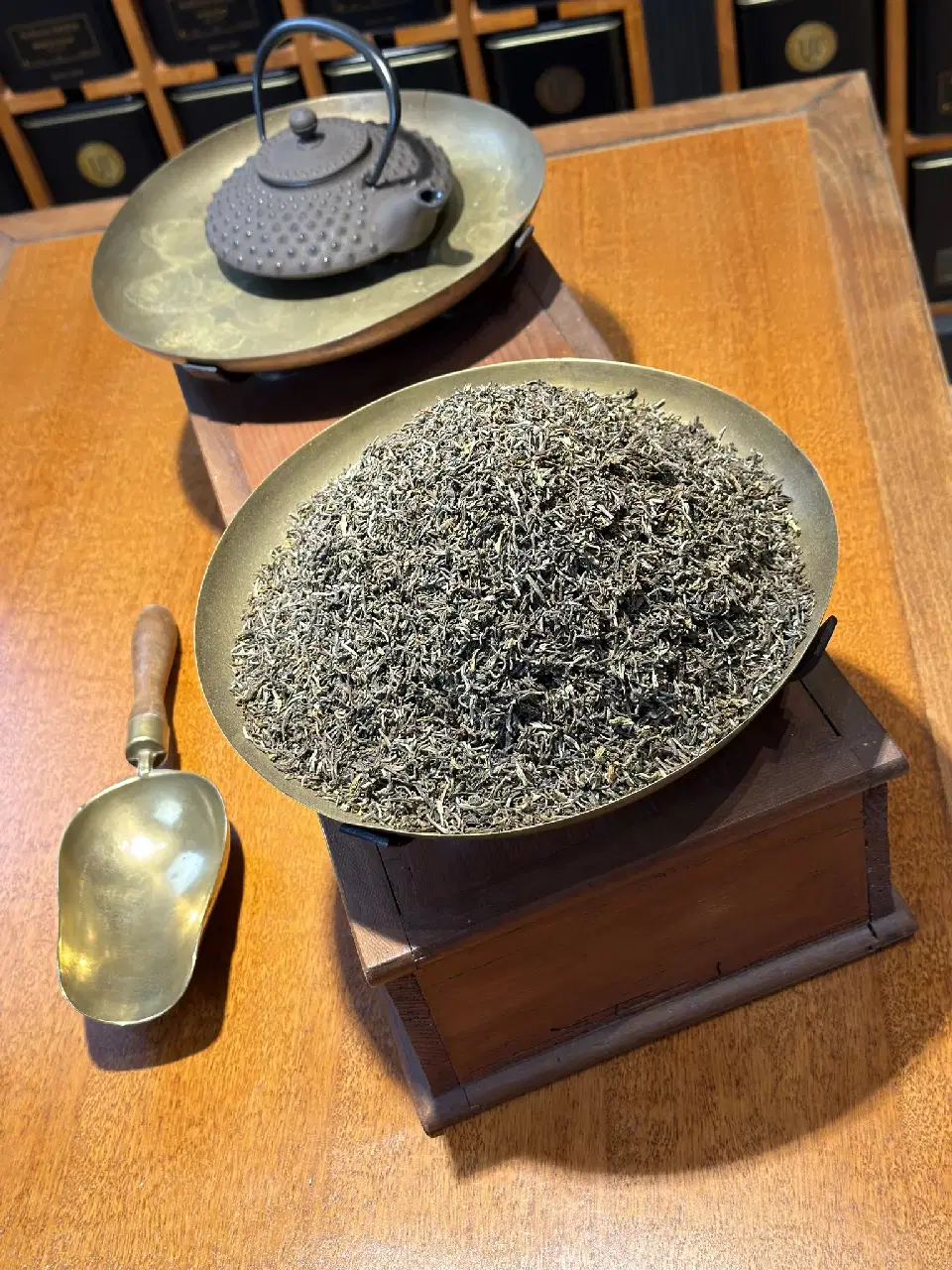
Darjeeling grows its tea plants between 600 and 2,000 m, on the slopes of the Himalayas, in the north of the country. The region harvests in spring, in summer, during the monsoon and in autumn, and each picking gives a different tea. What unites its grands crus is a fruity finesse and that note of muscat grape known as muscatel.
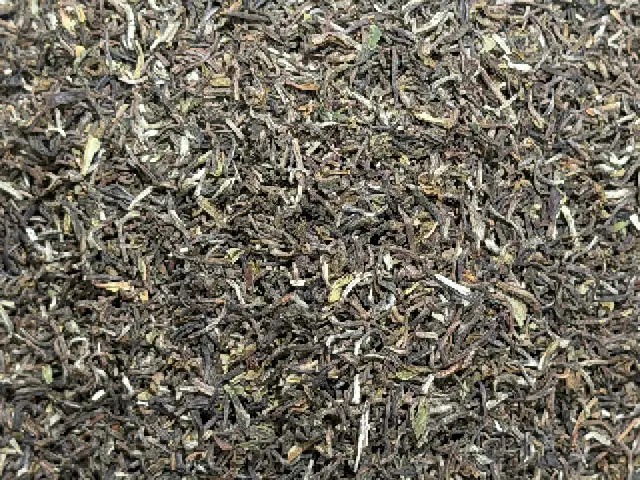
Spring gives lightly oxidised, almost green teas: Margaret's Hope 2023, a spring harvest graded FTGFOP1, evokes, according to its product page, wood sorrel, candied apricot and passion fruit. Summer gives riper cups: Ambootia · SFTGFOP1, from a biodynamically farmed garden, develops black grape, blackcurrant and maple syrup. Darjeeling also makes white teas, such as Moonshine Glenburn, made from buds that are simply withered and dried.
Darjeeling's gardens, grades and vintages call for a guide of their own: our Darjeeling guide explains how to read the label of a grand cru and compares the spring and summer harvests. All the available crus are gathered in the Darjeeling range, with their settings.
Nilgiri tea: the tea of the southern mountains
The Nilgiris, the “blue mountains”, rise in the Western Ghats, mainly in the state of Tamil Nadu, at the other end of the country. The gardens there climb from 1,000 to 2,500 m and picking goes on almost all year round. The Tea Board describes bright, fragrant, brisk teas: less full-bodied than an Assam, rounder than a spring Darjeeling.
Thiashola FOP comes from this region: a whole leaf with its buds, a luminous black, which its product page likens to Ceylon teas for its gentleness. Steeped, it reveals notes of candied dark fruit and chestnut cream, over supple tannins and a touch of vanilla. It is drunk plain or with a dash of milk, with 5 minutes' steeping at 95 °C.
Arunachal Pradesh and other regions: the rarer Indian teas
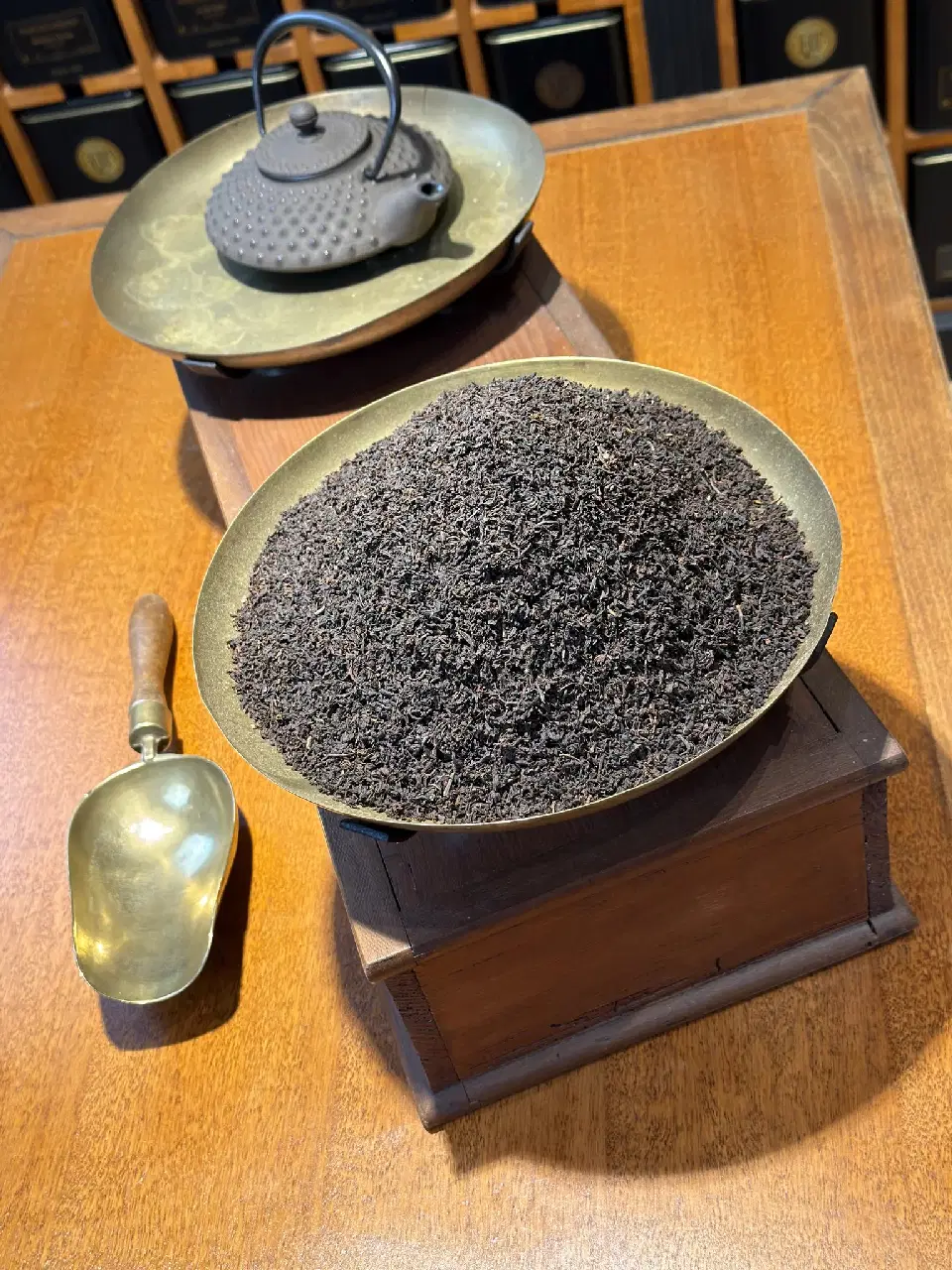
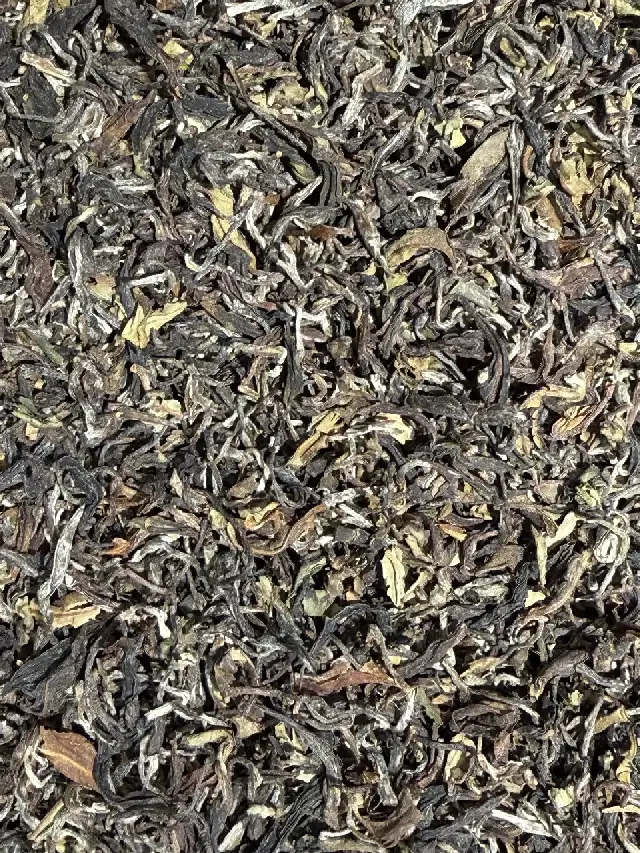
In the far north-east, Arunachal Pradesh borders China, Myanmar and Bhutan. Donyi Polo, whose name means “the sun and the moon”, comes from a garden in its hills, near the Siang river. Its product page describes it as a finer Assam: a garnet liquor, rounded and malty, with notes of hazelnut and black cherry.
The Tea Board of India, the public body for Indian tea, also cites the Dooars and the Terai, at the foot of the Himalayas, Kangra in Himachal Pradesh, which makes black and green teas, or Munnar and the Anamallais in the south. We do not offer a single-origin tea from these for the time being; the teas from India in stock, single-origin or blended, are in our teas from India range.
Assam or Darjeeling: which should you choose?
Choose an Assam for a morning cup, rounded and malty, that takes milk; choose a Darjeeling for an afternoon cup, lighter, to drink plain. The Nilgiris sit between the two. The table sets out the settings and uses given on our product pages, tea by tea, for a 200 ml cup.
| Tea | Region | Measure and water | Time | Moment | Plain or milk |
|---|---|---|---|---|---|
| Chardwar FTGFOP1 | Assam | 2.5 g, 95 °C | 3 minutes | Morning | Plain or with milk |
| Bhubrighat | Assam | 2.5 g, 95 °C | 4 minutes | Morning | Plain or a dash of milk |
| Ethelwold GBOP | Assam | 2.5 g, 95 °C | 2 minutes | Morning | Plain or a dash of milk |
| Margaret's Hope 2023 | Darjeeling, spring | 2.5 g, 95 °C | 3 minutes | Afternoon | Plain, without milk |
| Ambootia · SFTGFOP1 | Darjeeling, summer | 2.5 g, 95 °C | 3 minutes | Afternoon | Plain, without milk or sugar |
| Moonshine Glenburn | Darjeeling, white tea | 4 g, 90 °C | 5 minutes | Afternoon | Plain |
| Thiashola FOP | Nilgiri | 2.5 g, 95 °C | 5 minutes | Morning and afternoon | Plain or a dash of milk |
| Donyi Polo | Arunachal Pradesh | 2.5 g, 95 °C | 5 minutes | Daytime | Plain |
How do you prepare an Indian tea?
An Indian black tea is prepared with 2.5 g of leaves per 200 ml of water at 95 °C: this is the setting on all the black tea product pages above. Only the time changes, from 2 minutes for the broken leaf of Ethelwold GBOP to 5 minutes for Thiashola FOP or Donyi Polo. Moonshine Glenburn, a white tea, needs more leaves and water at 90 °C.
For a spring Darjeeling such as Margaret's Hope 2023, do not go beyond 3 minutes: its product page says so in so many words. Its product page also suggests a cold version, 15 g of leaves in one litre of water left for twelve hours in the fridge, then strained. The other time and temperature reference points, family by family, are in our guide to steeping time and temperature.
In India, tea is often drunk as chai, prepared with milk, sugar and spices. It is a way of preparing tea rather than an origin: a full-bodied Assam suits it well. Our homemade chai recipe gives the proportions, and the guide to black tea styles places Indian teas among those from China, Ceylon and Africa.
The sommelier's selection
Frequently asked questions
What is the difference between an Assam, a Darjeeling and a Nilgiri tea?
The region changes the plant, the altitude and therefore the taste. Assam, a humid plain in the north-east, produces full-bodied, malty black teas, made for the morning and for milk. Darjeeling, between 600 and 2,000 m at the foot of the Himalayas, produces fine, fruity teas with muscatel notes, drunk plain. The Nilgiris, mountains in the south between 1,000 and 2,500 m, produce bright, fragrant teas, gentler than an Assam.
Is there green tea or white tea from India?
Yes, even though India mainly produces black tea. The Tea Board of India, the public body for Indian tea, notes green teas in Kangra, in Himachal Pradesh, and in the Nilgiris. Darjeeling also makes white teas: the Moonshine Glenburn on our product pages is made from buds that are simply withered and dried, and is prepared with 4 g per 200 ml of water at 90 °C, 5 minutes.
Is Indian tea always chai?
No. Chai is a way of preparing tea, very widespread in India: a black tea prepared with milk, sugar and spices such as ginger, cardamom or cinnamon. Indian tea, on the other hand, refers to the origin of the leaves. A full-bodied Assam suits chai well, whereas a great Darjeeling is best drunk plain, without milk or spices, to keep its finesse.
Which Assam black tea should you choose?
It all depends on the intensity you are looking for. Chardwar FTGFOP1, with whole leaves, is full-bodied yet rounded, with notes of candied fruit, and steeps for 3 minutes. Bhubrighat, more indulgent, needs 4 minutes. Ethelwold GBOP, with a broken leaf and a dense maltiness, steeps for only 2 minutes. All three are drunk in the morning, plain or with a dash of milk.
To go further
Sources
How we write our guides
Our guides are prepared by La Boutique du Thé, Mariage Frères stockist in Bordeaux and Nice since 1999, drawing on our product sheets, the experience of our shops and the sources cited. Each text is checked and approved by the team before publication. The teas and accessories featured are on sale at the time you read the page. The LBDT Sommelier · A question? Write to us
More guides from the house
- Black tea: the great styles, from Assam to Yunnan, and how to choose oneBlack tea: what sets it apart, its great styles from Assam to Lapsang, water temperature, steeping time and milk, with teas in stock.Read the guide →
- Fine tea: what makes a great tea, and how to recognise oneLuxury or fine tea: origin, harvest, plucking, grade and freshness. The connoisseur's vocabulary, the settings and the grands crus to give.Read the guide →
- Tea-producing countries: where tea grows and what each origin brings to the cupTea-producing countries, from China to Rwanda: where the tea plant grows, what makes a terroir and the style of 12 origins, each with a tea to taste.Read the guide →