
Sencha: eight Japanese crus compared, from Uji to Yame

By the LBDT Sommelier · published on · 7 min read
Reviewed and approved by the La Boutique du Thé team
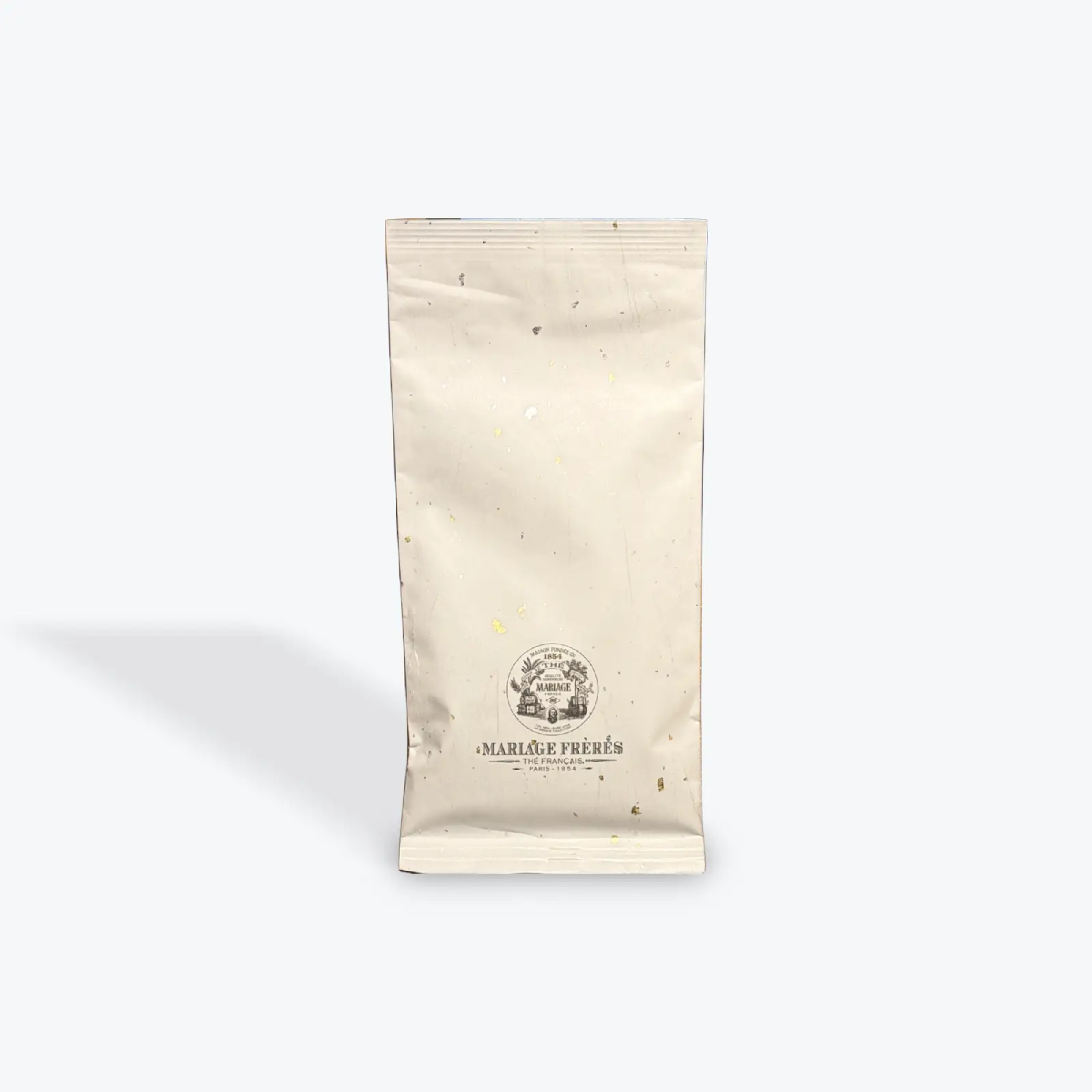
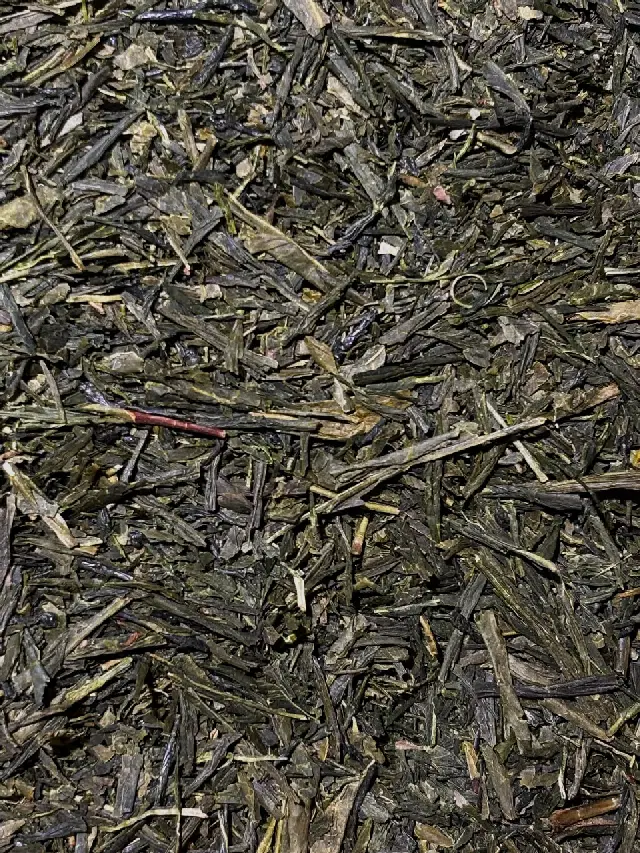
Sencha is the most widely drunk green tea in Japan: a leaf steamed as soon as it is picked, then rolled into fine needles, giving a vegetal, marine, rounded cup. From one cru to another, the region, the garden and the growing method change the taste and the settings. Here are our eight senchas in stock, compared in one table, with what sets each apart and how to prepare it.
What is a sencha?
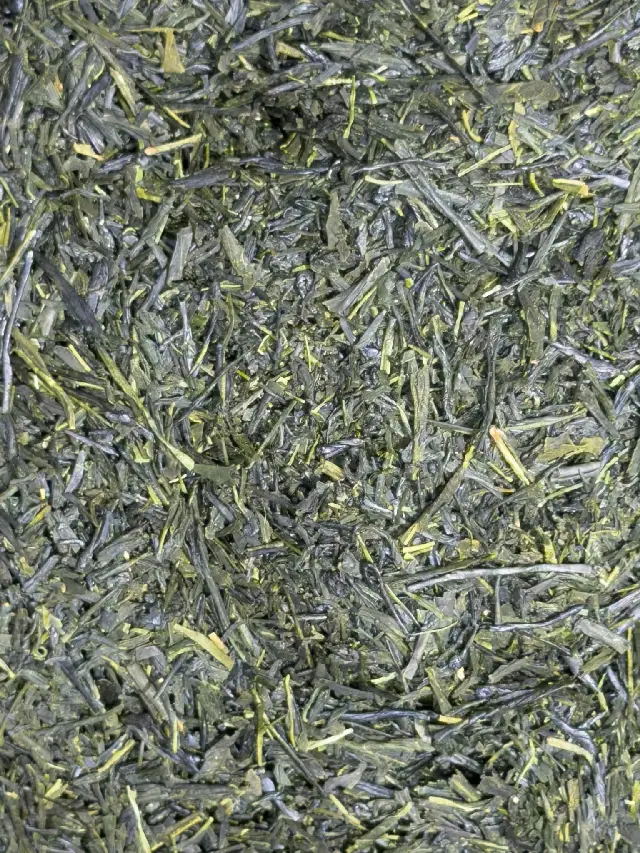
A sencha is a Japanese green tea whose leaf is steamed just after picking, then rolled and dried into fine needles. The steam stops oxidation: the leaf keeps its green colour and its vegetal taste. It is the most common tea in Japan, and its method of production became established in the 18th century.
From one sencha to another, the cultivar, the region, the harvest and the length of steaming change the cup. A sencha steamed for longer, called fukamushi, gives a greener, mellower cup. The other Japanese families, gyokuro, genmaicha or hojicha, are presented in our guide to Japanese green teas; here, we go one level further, to the cru.
Eight senchas compared in one table
Our eight senchas are pure Mariage Frères green teas, with no flavouring or additions, all classed Jardin Premier. Their caffeine is low according to their product sheets. What sets them apart comes down to the region, the garden, the way of growing, and therefore the settings: six are prepared the same way, two depart clearly from it.
| Sencha | Origin | What sets it apart | Measure, water, time |
|---|---|---|---|
| Sencha Uji | Uji, Kyoto region | Mineral and airy, mellow texture, long finish | 2.5 g / 200 ml, 70 °C, 2 min |
| Sencha Wazuka | Wazuka, Uji region | Grand cru, notes of yuzu leaf and peony | 3.5 g / 200 ml, 70 °C, 3 min |
| Sencha · Kyoto | Kyoto region | Shade-grown tea, rich umami, no bitterness | 7 g / 200 ml, 65 °C, 2 min |
| Kawanecha | Kawane, Shizuoka | The Darjeeling of Japan, intense and balanced aroma | 2.5 g / 200 ml, 70 °C, 3 min |
| Sencha Yame | Yame, Fukuoka | Spring harvest, generous umami, almost sweet | 2.5 g / 200 ml, 70 °C, 3 min |
| Sencha Ariake | Kyushu | Flat leaves, golden, floral cup | 2.5 g / 200 ml, 70 °C, 3 min |
| Sencha Midori | Japan | Very fragrant, marine seaweed note | 2.5 g / 200 ml, 70 °C, 3 min |
| Sencha Tani | Japan | Fruity, white cherry and almond | 4 g / 200 ml, 85 °C, 2 min |
Uji, Wazuka, Kyoto: the senchas of the historic region
The Kyoto region, and in particular Uji, south of the city, has grown tea since the Middle Ages: three of our senchas come from there. Sencha Uji comes from the village of Tawaracho; Mariage Frères describes it as an imperial sencha. Its product sheet describes a slightly sweet cup, with notes of fresh hazelnut and pebble, a marine touch and remarkable length.
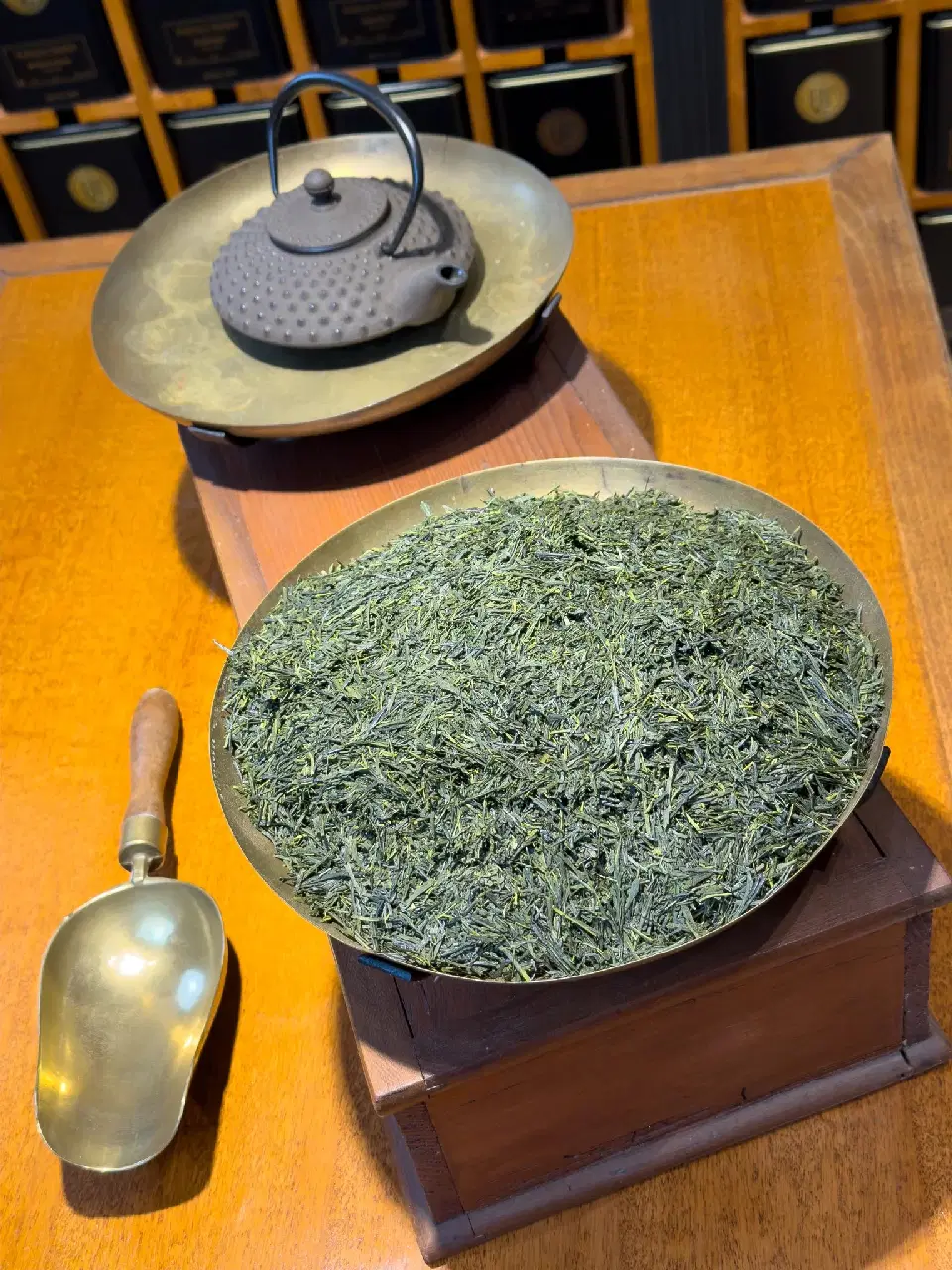
Sencha Wazuka comes from a garden in Wazuka cultivated for nearly half a century using methods that respect biodiversity. Mariage Frères regards it as a grand cru. In the cup, its product sheet first evokes crushed yuzu leaf, then white currant and peony. It takes a slightly larger measure than the others: 3.5 g per 200 ml.
Sencha · Kyoto is a shade-grown tea: its tea plants, of the Yabukita cultivar, are covered with shade cloths a week before the harvest, then the leaves are hand-picked. This gives it a rich umami and a deep sweetness. Its settings stand apart: 7 g per 200 ml, water at 65 °C and 2 minutes, a generous measure for lukewarm water.
Kawane, in Shizuoka: Kawanecha
Shizuoka and Kagoshima are the two leading tea-producing prefectures in Japan. Kawanecha comes from Kawane, in Shizuoka prefecture, where the tea plants grow on mountain slopes along the Oi river, in a misty valley. It is nicknamed the Darjeeling of Japan, for the finesse it owes to these slopes.
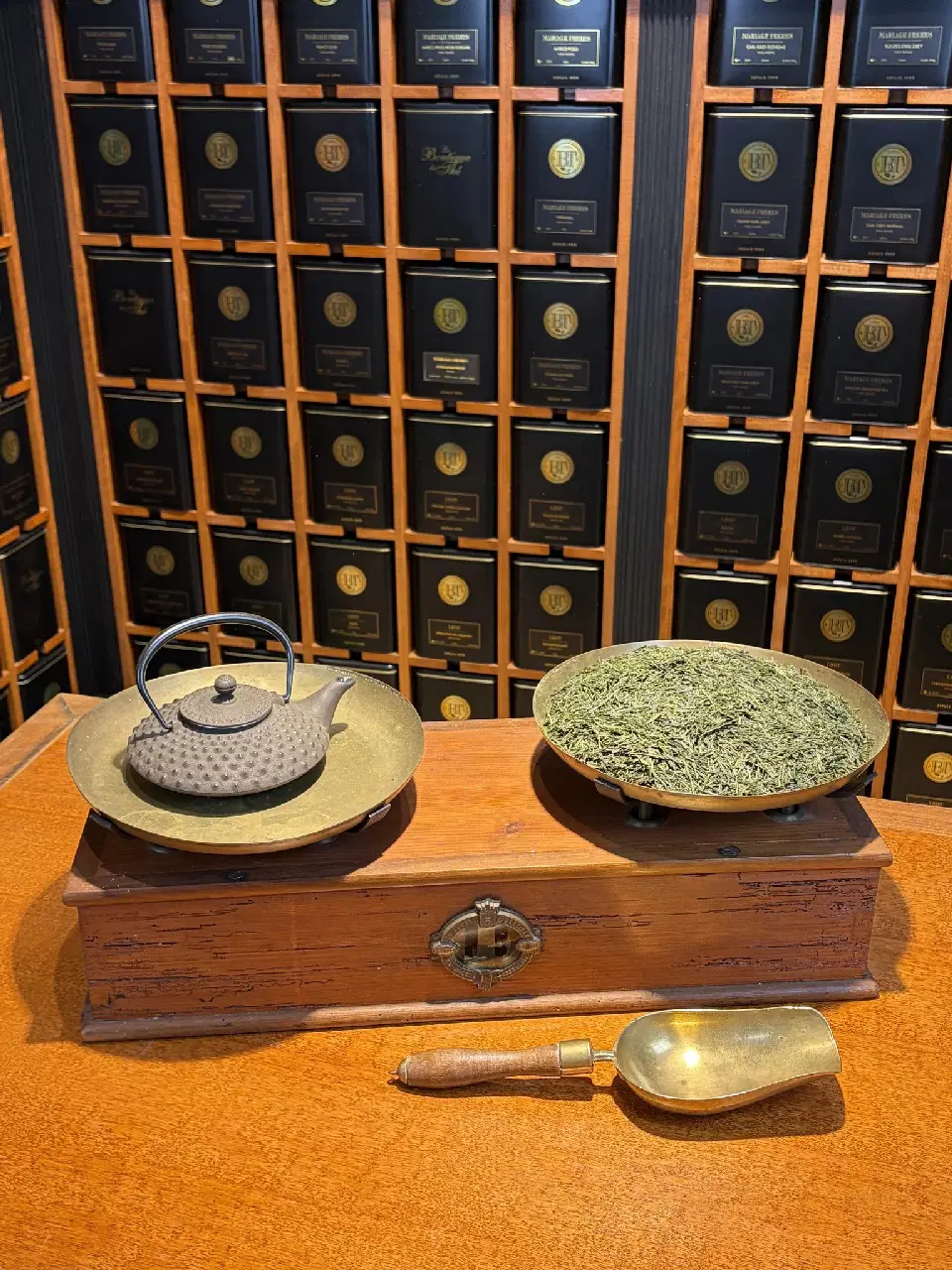
Its liquor is clear and lively. Its product sheet describes it as a balanced tea, leaning neither towards grassiness nor towards toastiness: intense aroma without heaviness, mellow umami, a long and slightly marine finish. It is prepared like most of our crus: 2.5 g per 200 ml, 70 °C, 3 minutes.
Yame and Kyushu: the senchas of the south
Yame, in Fukuoka prefecture, on the island of Kyushu, is renowned for its senchas as well as its gyokuros. Sencha Yame comes from a small family garden and a spring harvest, the first of the year, which gives the most tender leaves. Its product sheet credits it with a floral bouquet and a generous, almost sweet umami: it is the most indulgent of our eight crus.
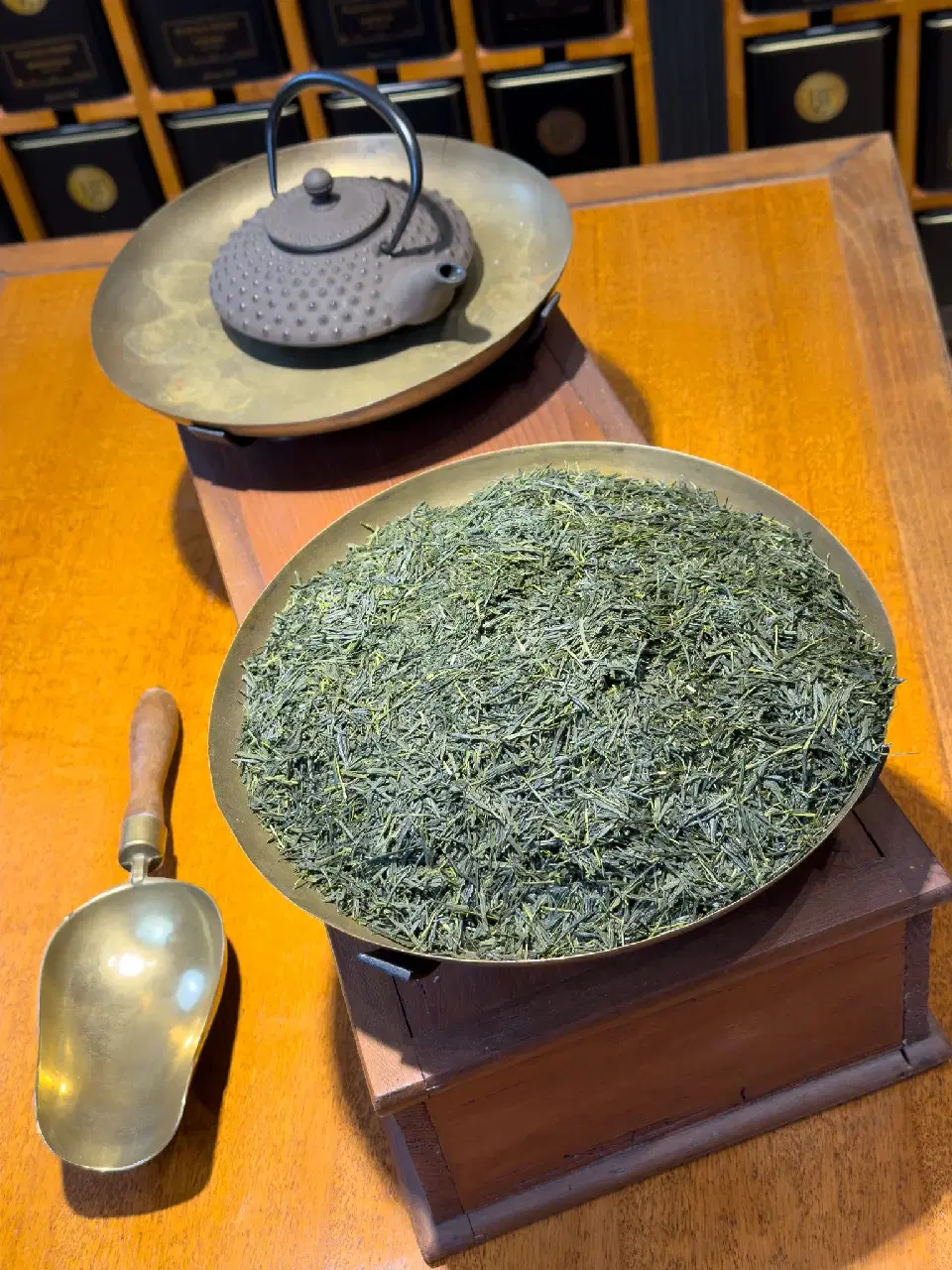
Sencha Ariake also comes from Kyushu, the southernmost of Japan's main islands. Its leaves are flat and needle-shaped, and its cup is golden, with a floral taste. It stands up to two or three infusions and lends itself to cold brewing, in water at room temperature. Mariage Frères makes it an all-day tea, to drink at lunch as well as in the afternoon.
Sencha Midori and Sencha Tani: two gardens with no named region
Their product sheets state only Japan, but their styles are very clear. Sencha Midori is, for Mariage Frères, the shogun of senchas: a very fragrant tea, with a clear, soft green liquor, whose palate blends grassy freshness, a marine seaweed note and delicate umami. It accompanies a Japanese meal and also lends itself to cold brewing.
Sencha Tani, nicknamed the Sencha of the Valley, comes from a family garden surrounded by rice paddies and orchards. It is a fruity sencha: its product sheet evokes white cherry, candied ginkgo nut, a citrus zest and an undertone of almond milk. It is prepared hotter than the others, at 85 °C, with 4 g per 200 ml and only 2 minutes.
How to prepare a sencha?
A sencha is prepared with water well below boiling, most often at 70 °C: too hot, and it makes the cup bitter. Six of our crus follow the same rule; Sencha · Kyoto and Sencha Tani have their own. Our guide to steeping times and temperatures details the temperatures for each family of tea.
- Soft water, heated to 70 °C for Sencha Uji, Sencha Wazuka, Kawanecha, Sencha Yame, Sencha Ariake and Sencha Midori.
- Water at 65 °C and 7 g per 200 ml for Sencha · Kyoto, at 85 °C and 4 g for Sencha Tani.
- Steep for 2 to 3 minutes, according to the table above, then remove the leaves.
- A shorter second infusion: all our senchas give at least one.
In summer, Sencha Ariake and Sencha Midori can also be cold-brewed, for a few hours in water at room temperature: our guide to homemade cold tea gives the method step by step.
Which sencha to choose for what you enjoy?
The choice follows the taste you are looking for in the cup, since our eight crus share the same family and the same low caffeine.
- A marine, grassy, very classic cup: Sencha Midori.
- A fine, balanced tea with an intense aroma: Kawanecha.
- Roundness and an almost sugary sweetness: Sencha Yame.
- A fruity sencha, with notes of white cherry: Sencha Tani.
- An all-day tea, also to drink cold-brewed: Sencha Ariake.
- Minerality and length: Sencha Uji.
- The grands crus of the Kyoto region: Sencha Wazuka, then Sencha · Kyoto, a shade-grown tea with rich umami.
To explore the terroirs further, our Japanese tea section brings together all the Japanese teas in stock, and the green tea section the other origins.
The sommelier's selection

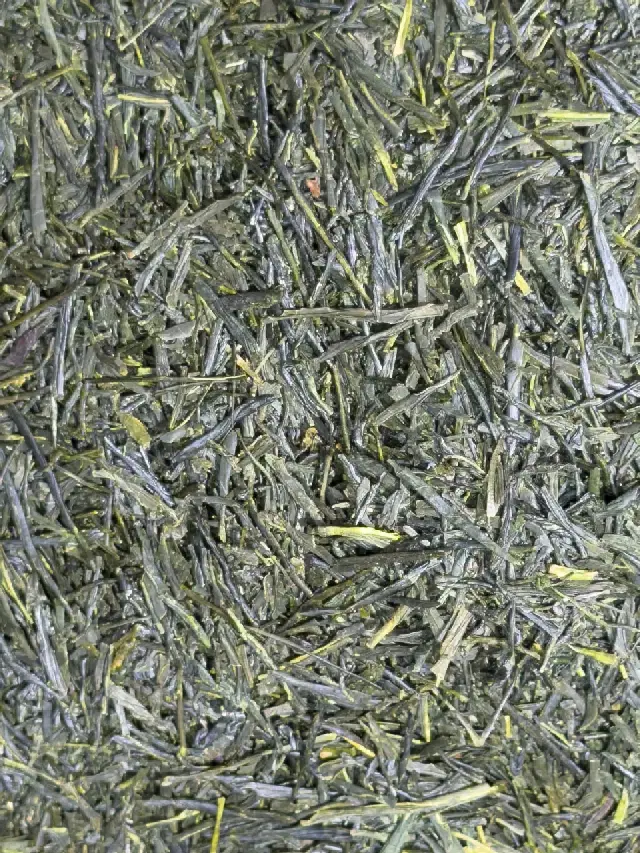
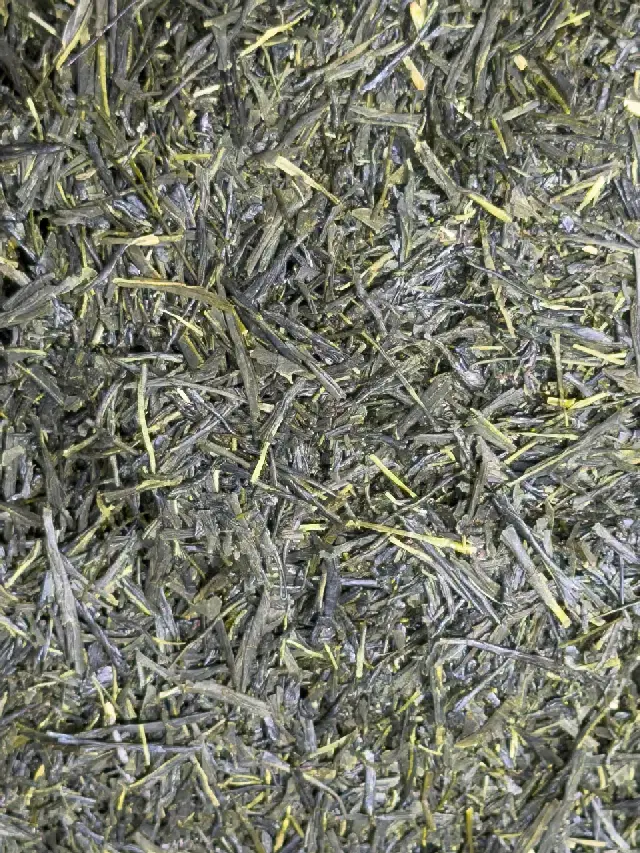
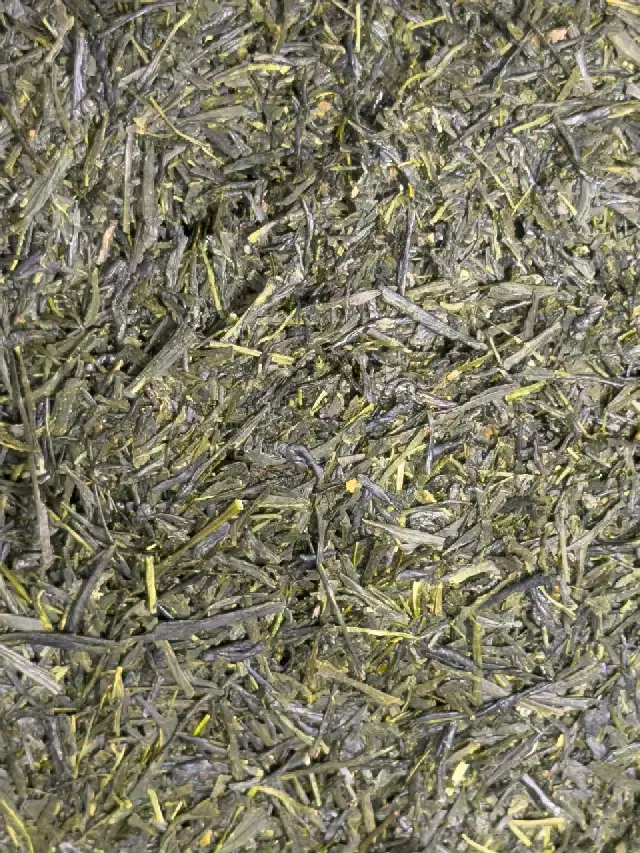
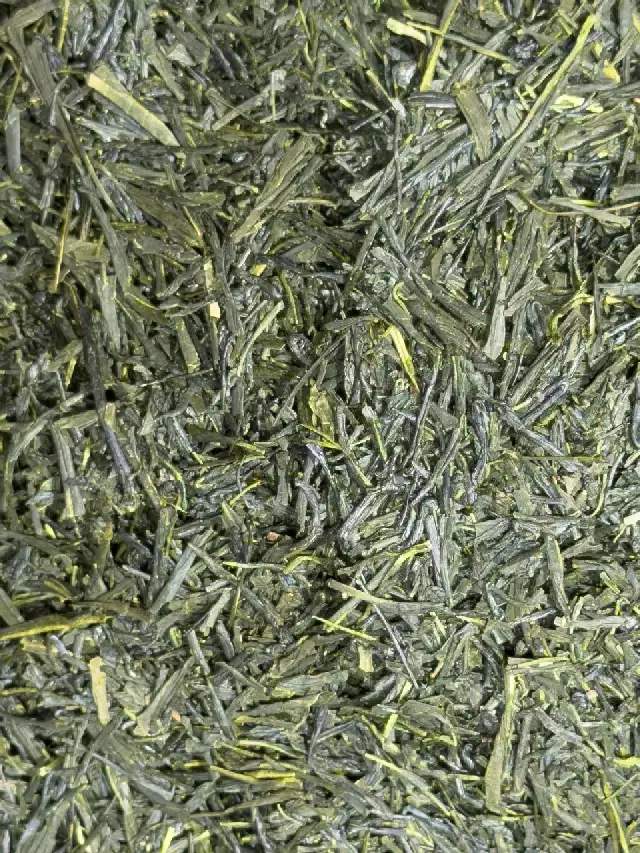
Frequently asked questions
Sencha or matcha: what is the difference?
Both are Japanese green teas, but they are not drunk the same way. Sencha is prepared from rolled leaves that are steeped for 2 to 3 minutes in water at around 70 °C, then removed. Matcha is a fine powder that is whisked into water and drunk in full, leaf and all.
What does sencha tea taste like?
A sencha tastes vegetal, fresh and grassy, often with a marine note reminiscent of seaweed, and a rounded savouriness known as umami. Depending on the cru, it leans towards mineral, floral or fruity. Water that is too hot makes it bitter: at the right temperature, the cup stays mellow, with a clean, slightly sweet finish.
Is sencha a Chinese or a Japanese tea?
Sencha is a Japanese tea. Its steam processing, just after picking, became established in Japan in the 18th century, and today it is the most widely drunk tea in the archipelago. This sets it apart from many Chinese green teas, such as Long Jing, whose leaf is dry-fired.
What water temperature and steeping time for a sencha?
For most senchas, allow water at 70 °C, 2.5 g of leaves per 200 ml and 2 to 3 minutes of steeping. Some crus have their own settings: Sencha · Kyoto, a shade-grown tea, calls for 65 °C, 7 g and 2 minutes; Sencha Tani, 85 °C, 4 g and 2 minutes. Always follow the tea's product sheet, and shorten the second infusion slightly.
To go further
Sources
How we write our guides
Our guides are prepared by La Boutique du Thé, Mariage Frères stockist in Bordeaux and Nice since 1999, drawing on our product sheets, the experience of our shops and the sources cited. Each text is checked and approved by the team before publication. The teas and accessories featured are on sale at the time you read the page. The LBDT Sommelier · A question? Write to us
More guides from the house
- Japanese green teas: sencha, gyokuro, genmaicha, hojichaThe families of Japanese green tea explained, the right water temperatures and our Mariage Frères selection from €11 to €60 per 100 g.Read the guide →
- Tea-producing countries: where tea grows and what each origin brings to the cupTea-producing countries, from China to Rwanda: where the tea plant grows, what makes a terroir and the style of 12 origins, each with a tea to taste.Read the guide →
- Indian tea: Assam, Darjeeling, Nilgiri, three regions and three cupsIndian tea comes mainly from Assam, Darjeeling and the Nilgiris. Altitude, taste, settings and use: our Indian teas compared in two tables.Read the guide →