
Tea with milk: which teas to choose, and how to make it

By the LBDT Sommelier · published on · 7 min read
Reviewed and approved by the La Boutique du Thé team
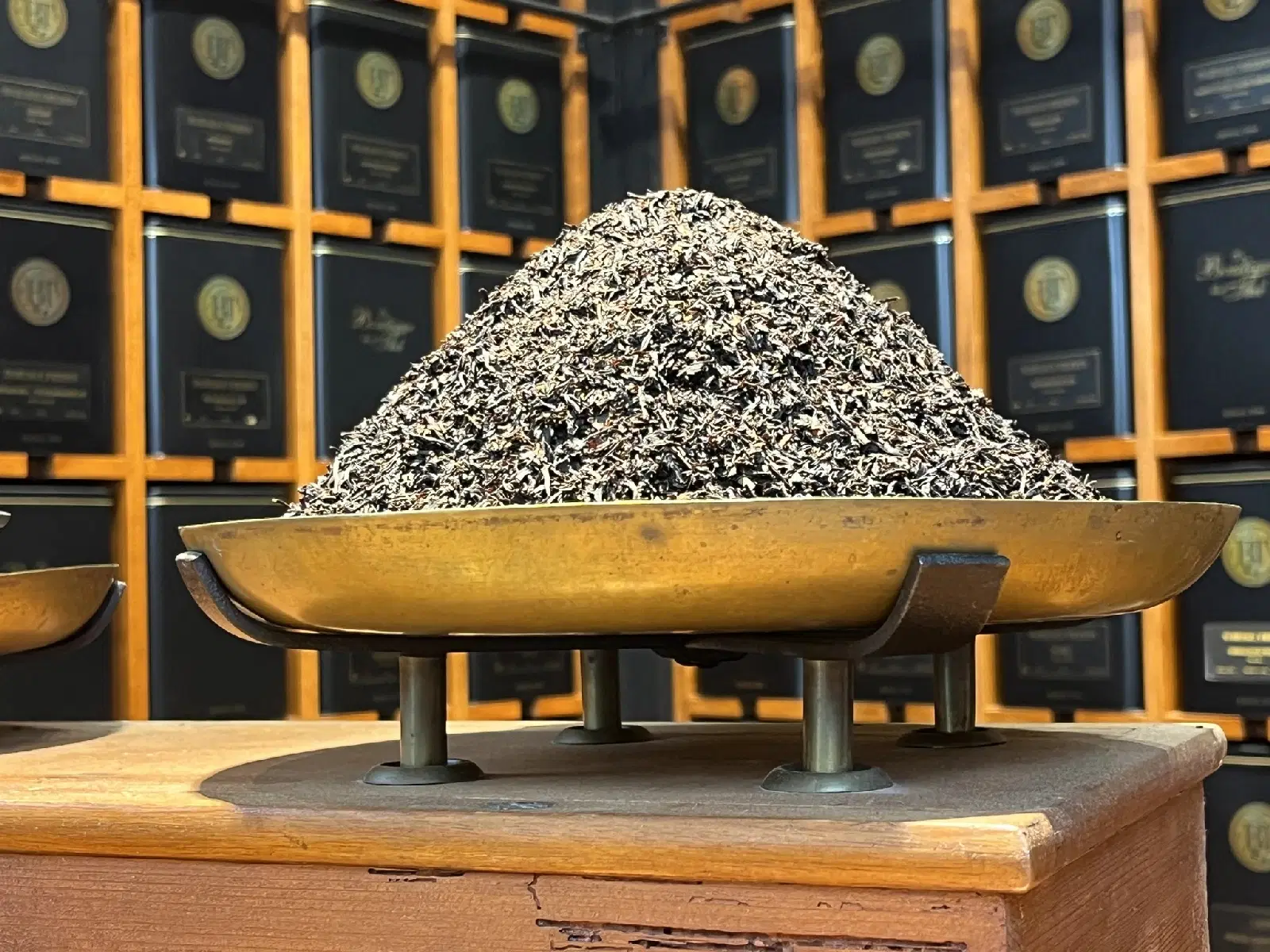
For a perfect cup of tea with milk, choose a full-bodied, malty black tea, Assam, Ceylon or a breakfast blend, steeped at the measure and time on its product page, then pour the cold milk after the tea, little by little. This guide compares the teas that suit it, settles the question of order, helps you choose the milk and presents the gourmand winter versions.
Which tea should you choose for tea with milk?
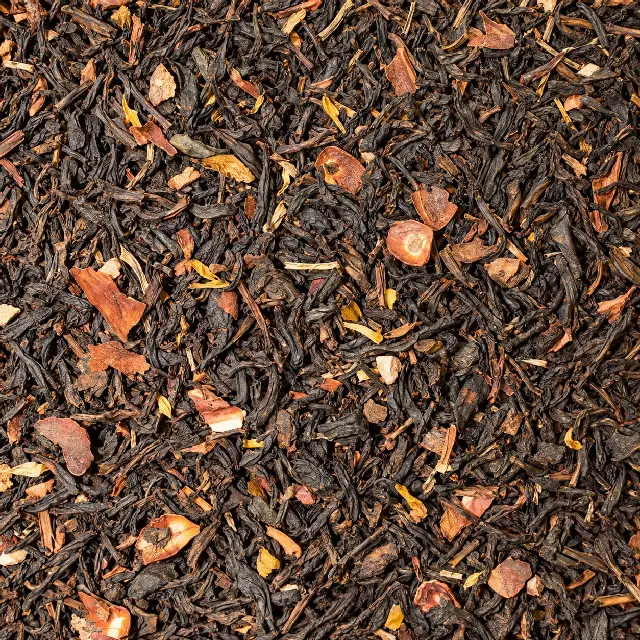
For tea with milk, choose a robust, malty black tea: an Assam, a high-grown Ceylon or a breakfast blend. These teas have enough tannins and body for the milk to round them out without masking them. Broken leaves, such as those of English Breakfast or Ethelwold GBOP, quickly give a dense, deeply coloured infusion, which turns a light caramel colour once the milk is poured in.
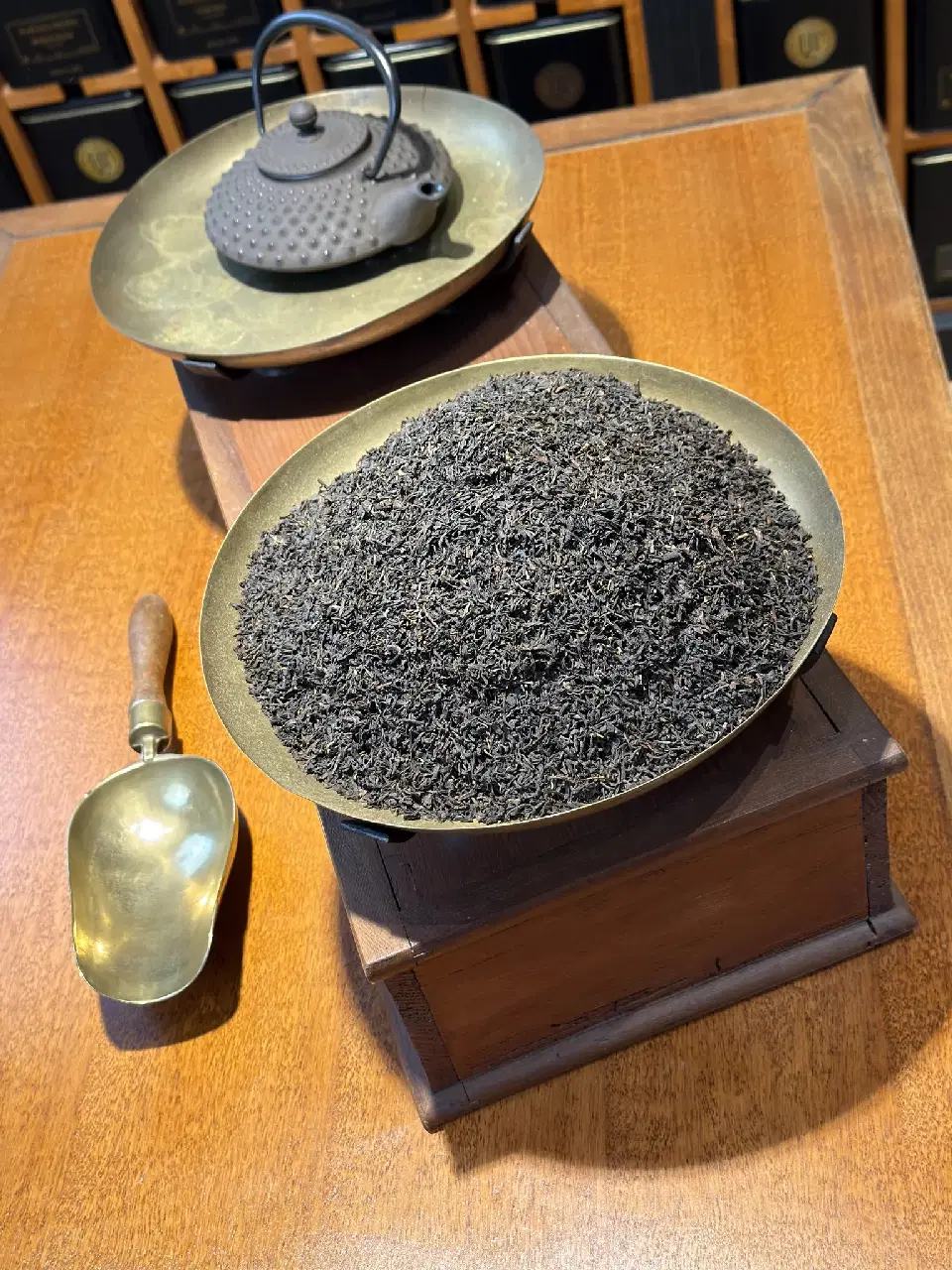
Whole-leaf Assams also take milk very well. Chardwar FTGFOP1 is described on its product page as one of the teas that hold up best to it, the English way; Bhubrighat, more gourmand, plays on cocoa and praline. As for Ceylon, Saint James BOP, a tea from the Uva region, rounds out with a dash of cold milk without losing its aroma.
| Tea | Style | With milk, according to the product page | Product page settings |
|---|---|---|---|
| English Breakfast | Breakfast blend, broken leaves | Takes a dash of milk, which rounds out the tannins | 2.5 g · 200 ml · 95 °C · 3 min |
| Ethelwold GBOP | Assam, broken leaves | A dash of milk, the English way, reveals its malty roundness | 2.5 g · 200 ml · 95 °C · 2 min |
| Chardwar FTGFOP1 | Assam, whole leaves | One of the teas that take milk best | 2.5 g · 200 ml · 95 °C · 3 min |
| Bhubrighat | Assam, whole leaves | A dash of milk suits it very well | 2.5 g · 200 ml · 95 °C · 4 min |
| Saint James BOP | Uva Ceylon, broken leaves | With a dash of cold milk, it rounds out | 2.5 g · 200 ml · 95 °C · 5 min |
| Russian Breakfast Tea | Indian black tea and citrus | Milk rounds out the malt, the citrus takes on a hint of marmalade | 2.5 g · 200 ml · 95 °C · 5 min |
The steeping time varies from one tea to another: 2 minutes for Ethelwold GBOP, whose broken leaf gives everything very quickly, 5 minutes for Saint James BOP. Follow the time on the product page, without extending it to “strengthen” the tea before adding milk. To understand where these differences in body come from, our guide to the main styles of black tea compares black teas, from Assam to Yunnan.
Should milk go in before or after the tea?
The most widespread practice today is to pour the tea first, then the milk. An article by McGill University's Office for Science and Society notes that almost all guides now recommend this; its author found no independent study that settles the question. The writer George Orwell already defended this order in his essay A Nice Cup of Tea: by pouring the tea first, you measure the milk exactly.
The other camp has its arguments. The ISO 3103 standard, which describes a tasting method for professionals to compare teas, puts the milk in the bowl before the infusion, so as not to scald it. The standard itself states that this is not a rule for the everyday cup. As for the idea that milk poured first protected delicate porcelain, McGill considers it hard to verify.
Our advice is therefore practical: pour the tea, then the milk little by little, tasting as you go. You see the colour of the cup change and stop when it suits you, which is impossible if the milk is already at the bottom.
How do you make tea with milk, step by step?
The method comes down to four steps. It works for English Breakfast as well as for an unflavoured Assam or a flavoured tea.
1. Weigh out the measure given on the product page, usually 2.5 g per 200 ml, and heat the water to the indicated temperature, 95 °C for the black teas in this guide. Do not reduce the measure: it is what gives the tea the body it needs to take the milk.
2. Steep for the exact time on the product page, then remove the leaves or the cotton muslin. Beyond that, the product pages warn, astringency takes over, especially with broken leaves.
3. Pour the tea into the cup, then add the cold milk in a thin stream, a dash to begin with. Taste before adding more.
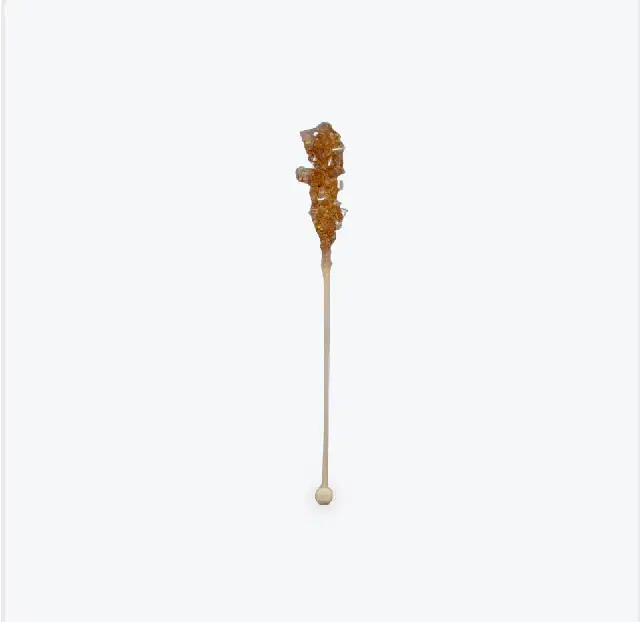
4. Sweeten if you wish. A stick of brown rock sugar, such as the Sticks de Sucre Candi Brun, dissolves gently in the hot cup and, according to its product page, gives a rounder, slightly caramelised flavour than white sugar.
The precise settings for each type, from white tea to pu-erh, are gathered in our guide to steeping time and water temperature.
Which milk should you put in tea?
Cow's milk remains the classic companion to black tea, and it is poured cold into freshly steeped tea. George Orwell advised skimming milk that was too rich, which in his view gave the cup a sickly taste. Between whole and semi-skimmed milk, choose according to the roundness you are looking for, and always pour little by little.
Plant-based drinks are poured the same way, after steeping and in a thin stream. Each brings its own flavour: an almond drink, for example, adds an almond note to the cup. Choose a plain drink with no added sugar, to keep control of the sweetness, and taste with a small amount before pouring more.
Gourmand and spiced teas: winter teas with milk
Black teas flavoured with notes of caramel, chocolate or spices make cold-season teas with milk. Wedding Imperial, an Assam with chocolate and caramel flavours, becomes with a dash of milk a creamy afternoon cup, which its product page compares to a light hot chocolate. Esprit de Noël tea, with cinnamon, almond and apple, is enjoyed plain or with a dash of milk, in the afternoon as well as in the evening.
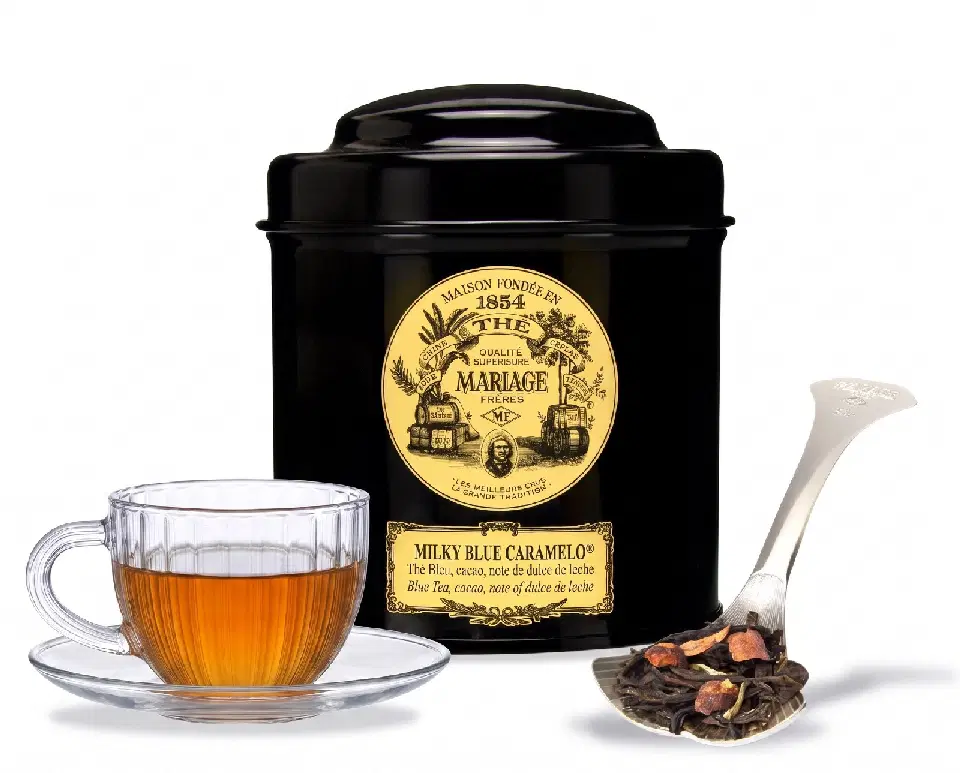
Milky Blue Caramelo is the exception: it is a highly oxidised oolong tea from Colombia, likened to black tea for its roundness. Its notes of caramel and cocoa already evoke dulce de leche, and its product page notes that a dash of milk accentuates its creaminess. Its cousins in the collection, Milky Blue and Milky Blue Absolu, are by contrast enjoyed plain: their product pages consider milk redundant, as their milky note is already in the cup.
For a frothier drink, tea with milk becomes a latte: our Earl Grey London Fog recipe doubles the measure of tea and tops it with hot whisked milk, and homemade chai simmers black tea with milk and spices.
From English-style tea to Mongolian salted tea: tea with milk around the world
Tea with milk is not just a British habit. In the United Kingdom and Ireland, it is drunk with a dash of milk, a tradition often linked to ties with India, where chai is made with milk and a blend of spices, masala. In Mongolia, süütei tsai is drunk salted, more rarely sweetened.
In Southeast Asia, Malaysia and Singapore have teh tarik, a black tea with milk, and Viêt-Nam its trà sữa. Taiwan is the home of bubble tea, a milk tea served with tapioca pearls, now found in Chinese communities all over the world.
The sommelier's selection






Frequently asked questions
Why do we put milk in tea?
Milk rounds out the tannins of black tea and softens its astringency: the cup becomes rounder, gentler, and takes on a light caramel colour. This is why morning teas, robust and malty, are blended to welcome it. Milk is added mostly for taste, for a gentler cup at breakfast or afternoon tea, and the amount is adjusted to your preference, from a mere dash to a more generous measure.
What is a dash of milk in tea?
A dash of milk is a small amount of cold milk poured into tea, just enough for the liquor to lighten and take on a light caramel hue. The expression does not correspond to a precise measure: add a splash of milk, taste, then adjust. This is how their product sheets recommend morning teas, such as English Breakfast or an Assam.
Can you put almond milk in tea?
Yes, an almond drink is poured into tea just like milk, in a thin stream, after steeping. It brings its own almond flavour, which echoes the almond already present in Esprit de Noël tea, alongside cinnamon and apple. Choose a plain drink, with no added sugar, and taste with a small amount, as it changes the flavour of the cup more than cow's milk does.
Where does the habit of putting milk in tea come from?
Tea with milk has long existed in several regions of the world: salted milk tea in Mongolia, spiced chai in India, tea with a dash of milk in the United Kingdom and Ireland. For these last two countries, the tradition is often linked to ties with India. The idea that pouring the milk first protected the porcelain is often repeated, but it remains difficult to verify.
To go further
Sources
How we write our guides
Our guides are prepared by La Boutique du Thé, Mariage Frères stockist in Bordeaux and Nice since 1999, drawing on our product sheets, the experience of our shops and the sources cited. Each text is checked and approved by the team before publication. The teas and accessories featured are on sale at the time you read the page. The LBDT Sommelier · A question? Write to us
More guides from the house
- Alcohol-free mulled wine with tea: the recipe for spiced Christmas punchAlcohol-free mulled wine with black tea or rooibos, with grape or apple juice: the spices, quantities from 4 to 12 cups and serving it hot.Read the guide →
- Tea and food pairing: matching tea with cuisine, from sushi to chocolateTea and food pairing: the three ways to pair, what tannins do, and a dish-by-dish table, from sushi to chocolate, with our teas in stock.Read the guide →
- London Fog: the Earl Grey and vanilla latte recipeThe London Fog is an Earl Grey with frothy milk and vanilla. A recipe for two cups, proportions, and variations with lavender or caffeine-free.Read the guide →