
The evening tea, naturally caffeine-free
107 results

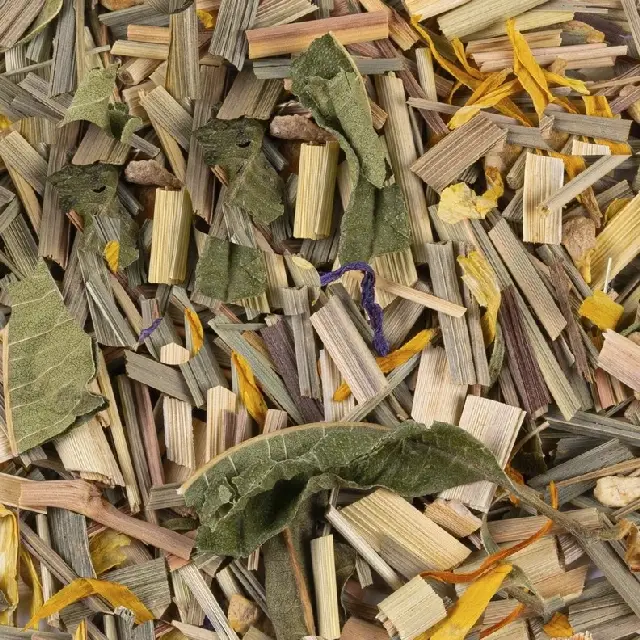

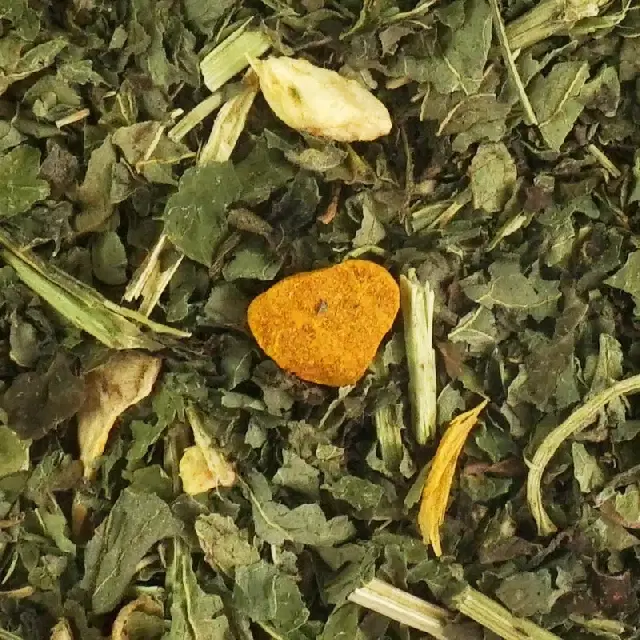
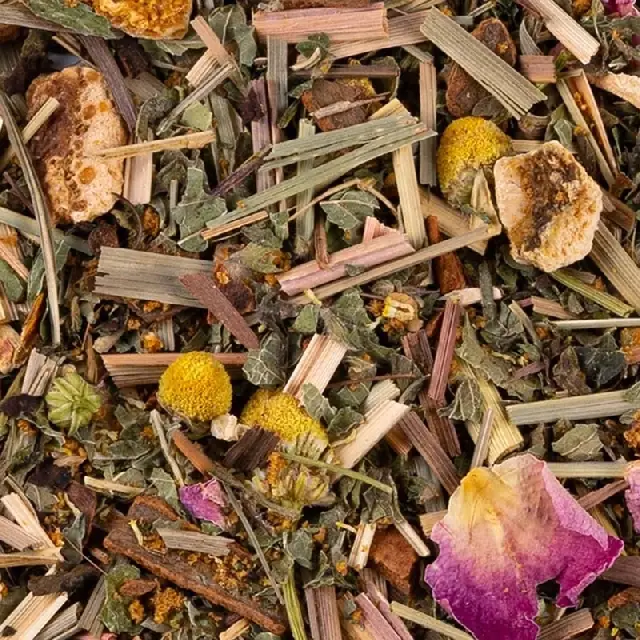
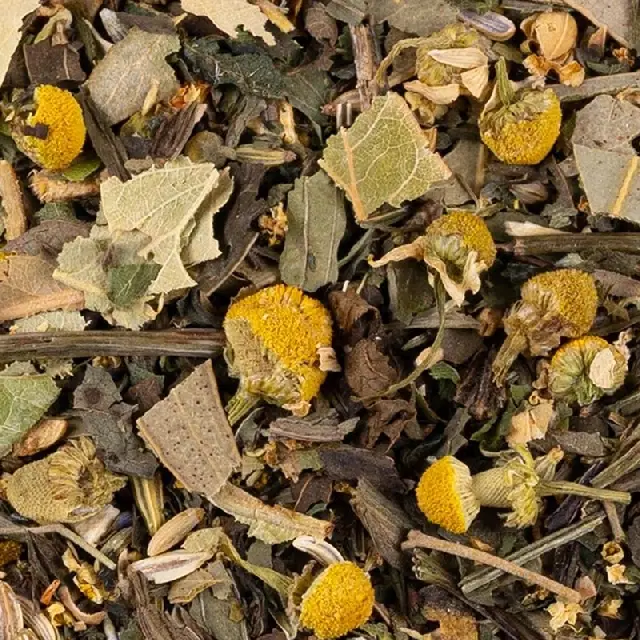

Evening (little or no caffeine)
The evening tea, naturally caffeine-free
In the evening, caffeine-free drinks are preferred so as not to disturb falling asleep: rooibos (“red tea” from South Africa, which is not a true tea) and plant infusions (verbena, chamomile, linden, mint) are naturally free of caffeine. Lovers of real tea can turn to decaffeinated teas or to lightly caffeinated families, steeped briefly and at a moderate temperature.

Reviewed and approved by the La Boutique du Thé team
Why a caffeine-free tea in the evening?
Caffeine is the caffeine of tea: a stimulant that delays falling asleep in many people. In the evening, one seeks a comforting cup but naturally caffeine-free. Two options: drinks that contain none (rooibos, plant infusions), or real teas from which the caffeine has been removed (decaffeinated teas).
Which families to choose in the evening?
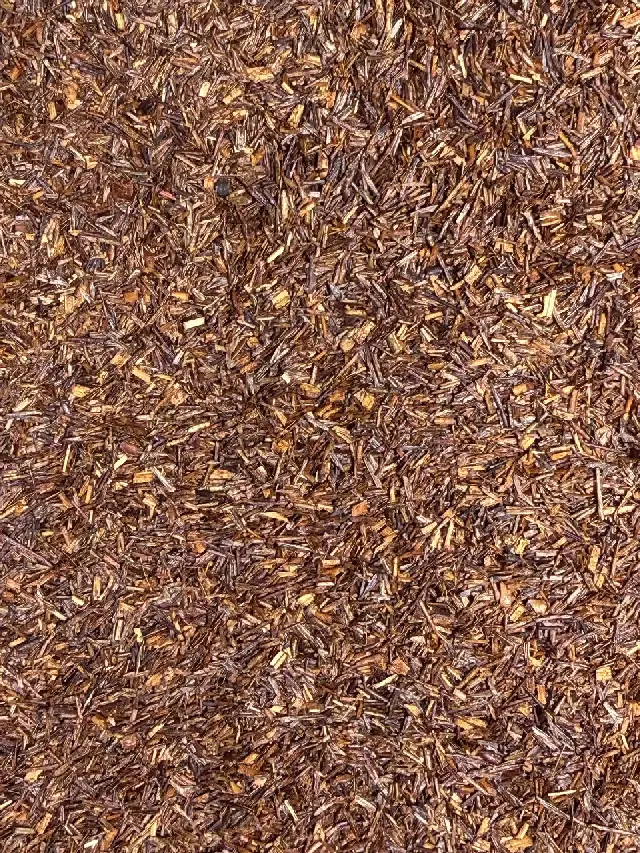
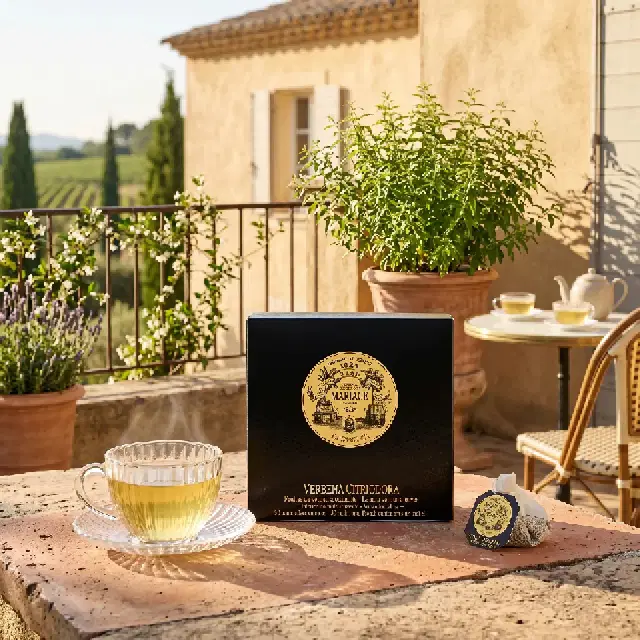
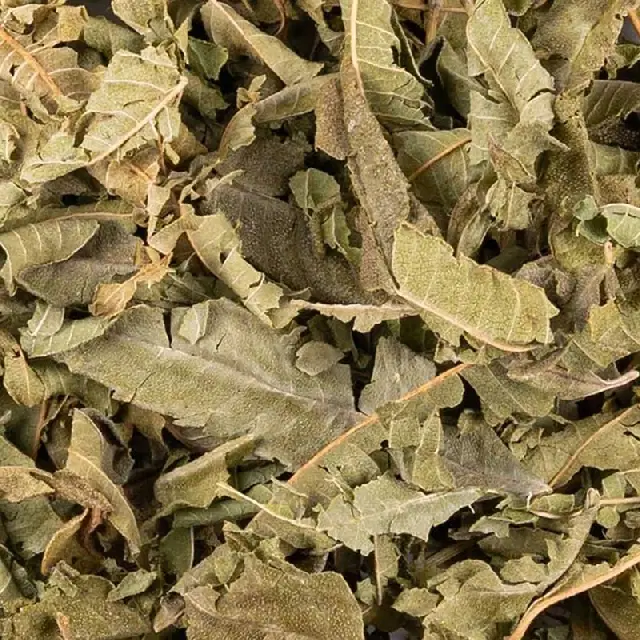
Rooibos: a South African shrub (Aspalathus linearis), naturally caffeine-free, withstands boiling water and long infusions without bitterness, with a woody, vanilla sweetness. Herbal infusions: verbena, chamomile, linden, mint, lemon balm, orange blossom. Decaffeinated teas: real teas from which the caffeine has been removed. At Mariage Frères, Rooibos des Fées, Nuit à Versailles® or the evening infusions illustrate this category.
Preparing an evening infusion
- Rooibos: 95-100 °C, 4 to 6 minutes, 2.5 g per 200 ml.
- Flower and leaf herbal infusions: 90-95 °C, 5 to 7 minutes.
- Decaffeinated tea: follow the original family (e.g. 90 °C / 3-4 min for a decaffeinated black tea).
Storage
Rooibos and herbal infusions keep in an airtight box, away from light and humidity. Less fragile than green tea, they keep their aromas for several months; watch infusions rich in essential oils (mint, citrus), whose scent fades.
And real teas in the evening?
If you insist on a real tea, choose the least stimulating families and short infusions: a light white tea, a hojicha (roasted green tea, low in caffeine) or a decaffeinated tea. A first short infusion, discarded, reduces the caffeine in the next one.
| Drink | Caffeine | Temperature | Time | Profile |
|---|---|---|---|---|
| Rooibos | None | 95-100 °C | 4-6 min | Sweet, woody, vanilla |
| Chamomile | None | 90-95 °C | 5-7 min | Floral, honeyed, soothing |
| Verbena | None | 90-95 °C | 5 min | Lemony, fresh |
| Hojicha | Very low | 90 °C | 30 s-1 min | Toasted hazelnut |
| White tea | Low | 70-80 °C | 3-5 min | Delicate, floral |
| Decaffeinated black tea | Almost none | 90 °C | 3-4 min | Full-bodied, malty |
Frequently asked questions
What tea should you drink in the evening before bed?
Choose a caffeine-free drink: a plain or flavoured rooibos, or a herbal infusion (chamomile, verbena, linden, orange blossom). These infusions are gentle and contain no stimulant. For a real tea, opt for a decaffeinated tea.
Does rooibos contain caffeine?
No. Rooibos is not a tea: it is an infusion from a South African shrub that contains no caffeine whatsoever. That is what makes it an ideal evening drink for the whole family.
What is the difference between a herbal infusion and a caffeine-free tea?
A herbal infusion is made from plants, flowers, fruits or roots, without tea leaf: it never contains caffeine. A “caffeine-free tea” refers to a real tea that has been decaffeinated, with the caffeine removed after production.
Can you drink green tea in the evening?
Green tea contains caffeine and may disturb falling asleep in sensitive people. If you want it, choose a hojicha (roasted green tea), steep briefly (1 minute) or discard a first quick infusion. Otherwise, prefer a rooibos or a herbal infusion.
To go further